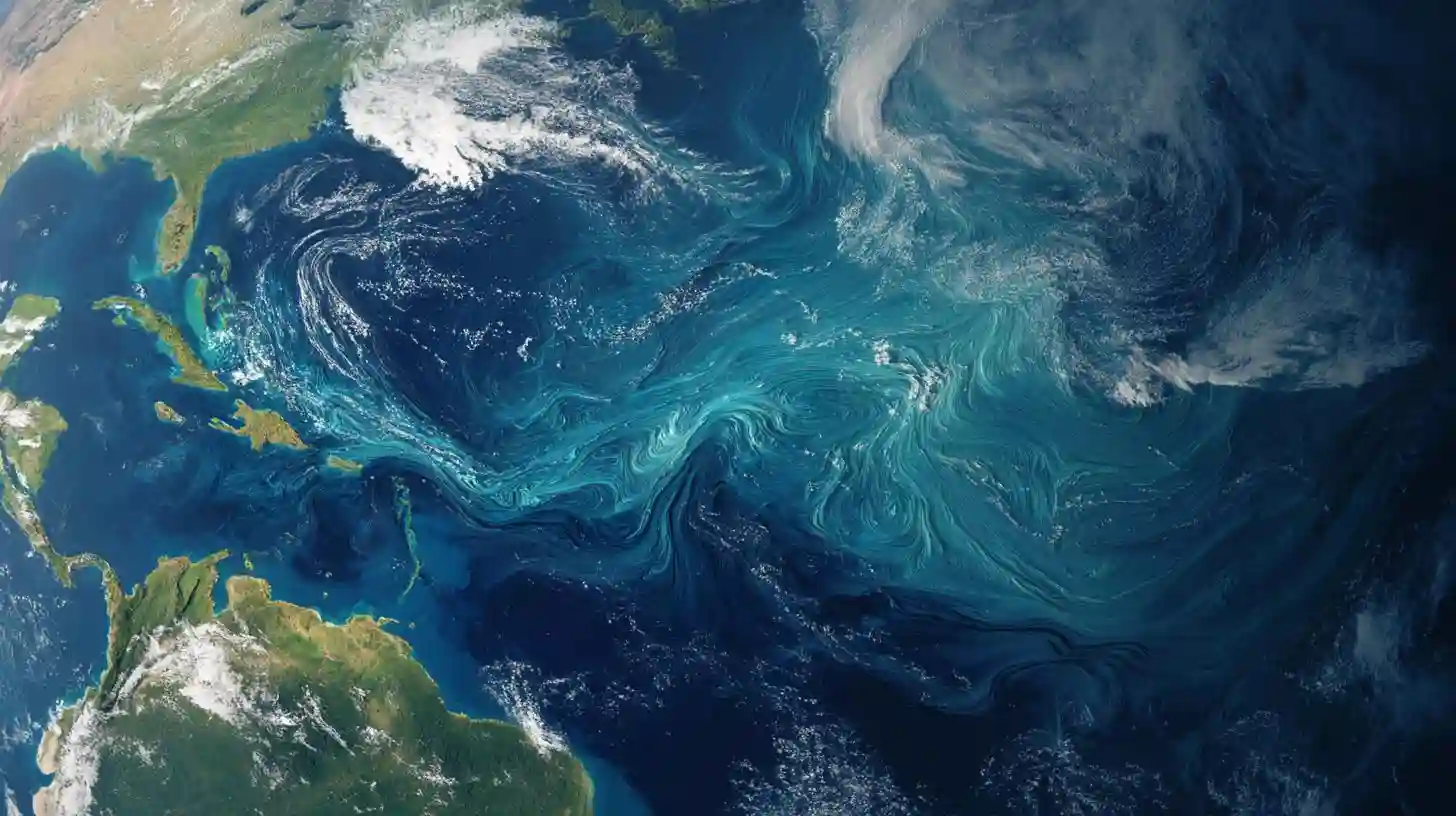
Ocean currents play a pivotal role in shaping marine ecosystems, influencing the distribution and diversity of marine life. These currents are vast, dynamic flows of seawater that circulate through the world's oceans, driven by factors such as wind patterns, the Earth's rotation, and variations in water temperature and salinity. By moving water across vast distances, ocean currents help regulate temperature, bring nutrients to different areas, and connect various regions of the ocean, all of which are crucial to supporting marine biodiversity.
One of the most significant ways ocean currents affect marine biodiversity is through the transport of nutrients. Upwelling, a process where deep, nutrient-rich water rises to the surface, is largely driven by currents. This influx of nutrients supports the growth of phytoplankton, which forms the base of the marine food web. Phytoplankton serves as a primary food source for a wide range of organisms, from small zooplankton to large fish and marine mammals. Without currents that facilitate upwelling, many marine ecosystems would struggle to sustain life, particularly in nutrient-poor regions such as the open ocean.
Ocean currents also influence the distribution and migration of marine species. Many species, including fish, sea turtles, and whales, rely on currents to travel between feeding and breeding grounds. These currents act as highways that connect distant regions, enabling species to access new environments and maintain genetic diversity. For example, certain fish species migrate long distances along current pathways, following food sources or optimal breeding conditions. This movement is essential for the survival and propagation of species, and disruptions to these currents can lead to a breakdown in migration patterns and species survival.
In addition to providing nutrients and facilitating migration, ocean currents help regulate ocean temperatures. Currents transport warm water from the equator toward the poles and cold water from the poles toward the equator. This redistribution of heat plays a key role in maintaining stable temperatures in different ocean regions, allowing ecosystems to thrive in a variety of conditions. For instance, coral reefs, which are highly sensitive to temperature changes, depend on the stability provided by ocean currents to survive. Currents help moderate water temperatures, preventing drastic shifts that could otherwise lead to coral bleaching and loss of biodiversity.
The interplay between ocean currents and marine biodiversity is complex and multifaceted. Currents act as both a lifeline and a pathway for countless marine organisms, providing them with the necessary conditions to thrive. As human activities continue to impact the oceans, including climate change and pollution, understanding the relationship between currents and marine biodiversity is essential for preserving the delicate balance of ocean ecosystems.