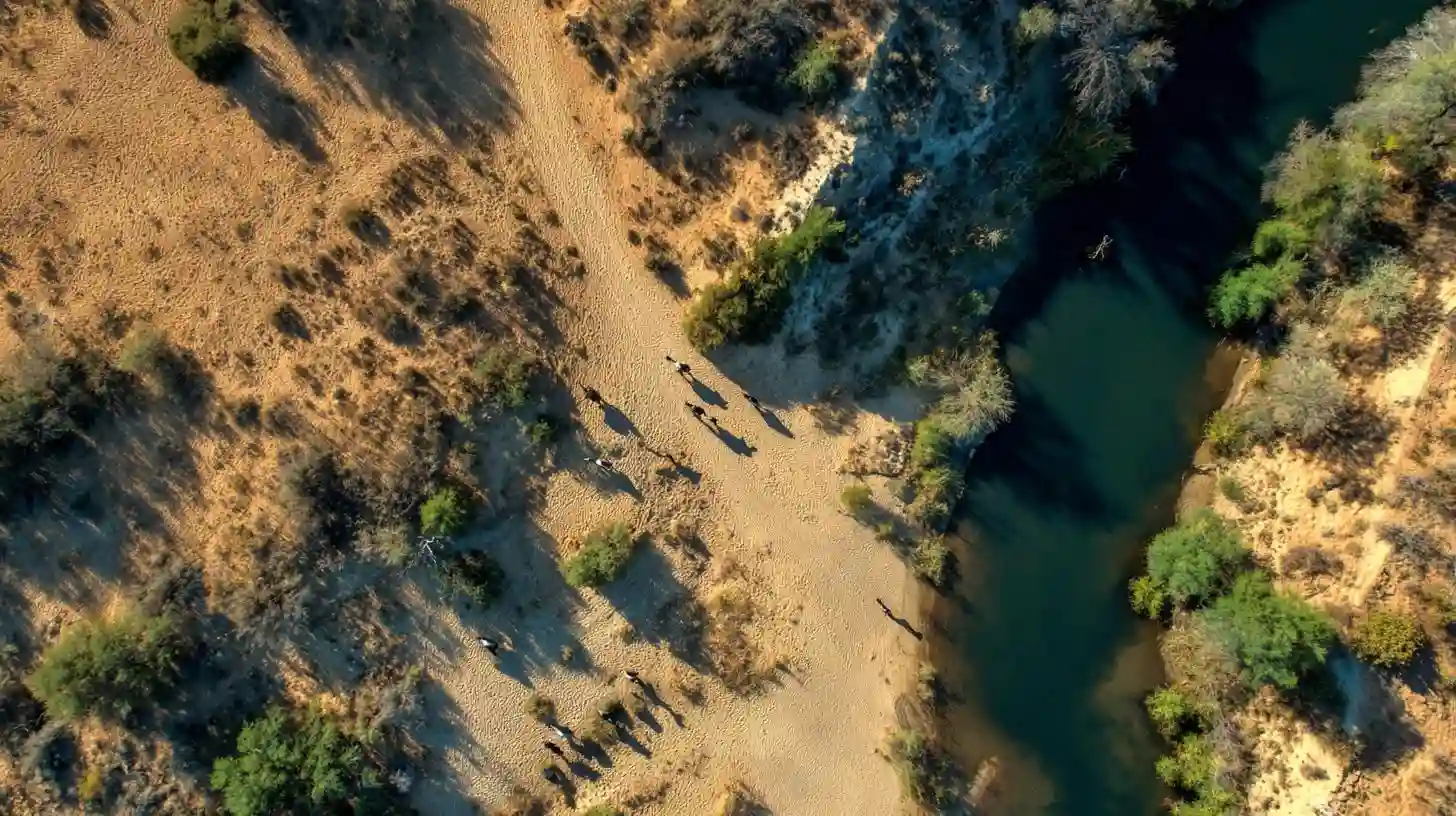
Drones have emerged as a game-changer in wildlife conservation, revolutionizing the way environmentalists monitor, protect, and manage ecosystems. These unmanned aerial vehicles are equipped with advanced technology, making them a valuable tool for gathering data in hard-to-reach areas. Drones provide a bird's-eye view of wildlife habitats, enabling conservationists to collect high-resolution imagery and video footage in real-time. This capability has significantly improved wildlife monitoring by allowing experts to track animal populations, detect illegal poaching activities, and assess habitat changes.
One of the key advantages of using drones in conservation is their ability to access remote regions that are often challenging for traditional methods, such as on-the-ground surveys. Drones can quickly cover large areas, enabling researchers to gather more data in less time. This efficiency is crucial in monitoring endangered species, as conservationists can track the movement of animals, assess their health, and even count the number of individuals in a population. For example, drones have been used to monitor the migration patterns of sea turtles, track the movements of elephants, and survey rhino populations, all without disturbing the animals.
Drones also help reduce the risk to human researchers. In places where the terrain is dangerous or where wildlife can be aggressive, drones allow conservationists to gather vital information without putting themselves in harm's way. For instance, in regions with frequent wildfires, drones can fly over fire-affected areas to assess damage to ecosystems, without the need for human intervention. Similarly, drones can be used to monitor protected areas from the air, providing real-time data on illegal logging or poaching activities, enabling faster and more effective responses.
Moreover, drones have proven to be cost-effective tools for conservation efforts. Traditional methods, such as hiring helicopters or ground teams, can be expensive and time-consuming. In contrast, drones are relatively affordable and can be deployed more frequently, providing consistent monitoring at a fraction of the cost. This affordability makes it easier for conservation organizations, especially those working with limited budgets, to incorporate aerial monitoring into their daily operations.
The integration of drones into wildlife conservation is also paving the way for more innovative approaches to preserving biodiversity. By combining drone data with artificial intelligence, machine learning, and geographic information systems, conservationists can now analyze vast amounts of data more efficiently. These technologies can help identify patterns, predict future changes, and inform decision-making processes. For example, AI-powered drones can identify specific species from the footage they capture, automatically flagging unusual behavior or potential threats to animal populations. This fusion of technologies ensures that conservation efforts are not only more effective but also more proactive in responding to environmental challenges.
Ultimately, drones are transforming wildlife conservation by enhancing the efficiency, accuracy, and affordability of monitoring efforts. Their ability to provide real-time data from hard-to-reach areas is helping experts make better-informed decisions, protect vulnerable species, and address the challenges posed by habitat destruction, poaching, and climate change. As drone technology continues to evolve, it promises to play an even more significant role in ensuring the long-term sustainability of wildlife and ecosystems across the globe.