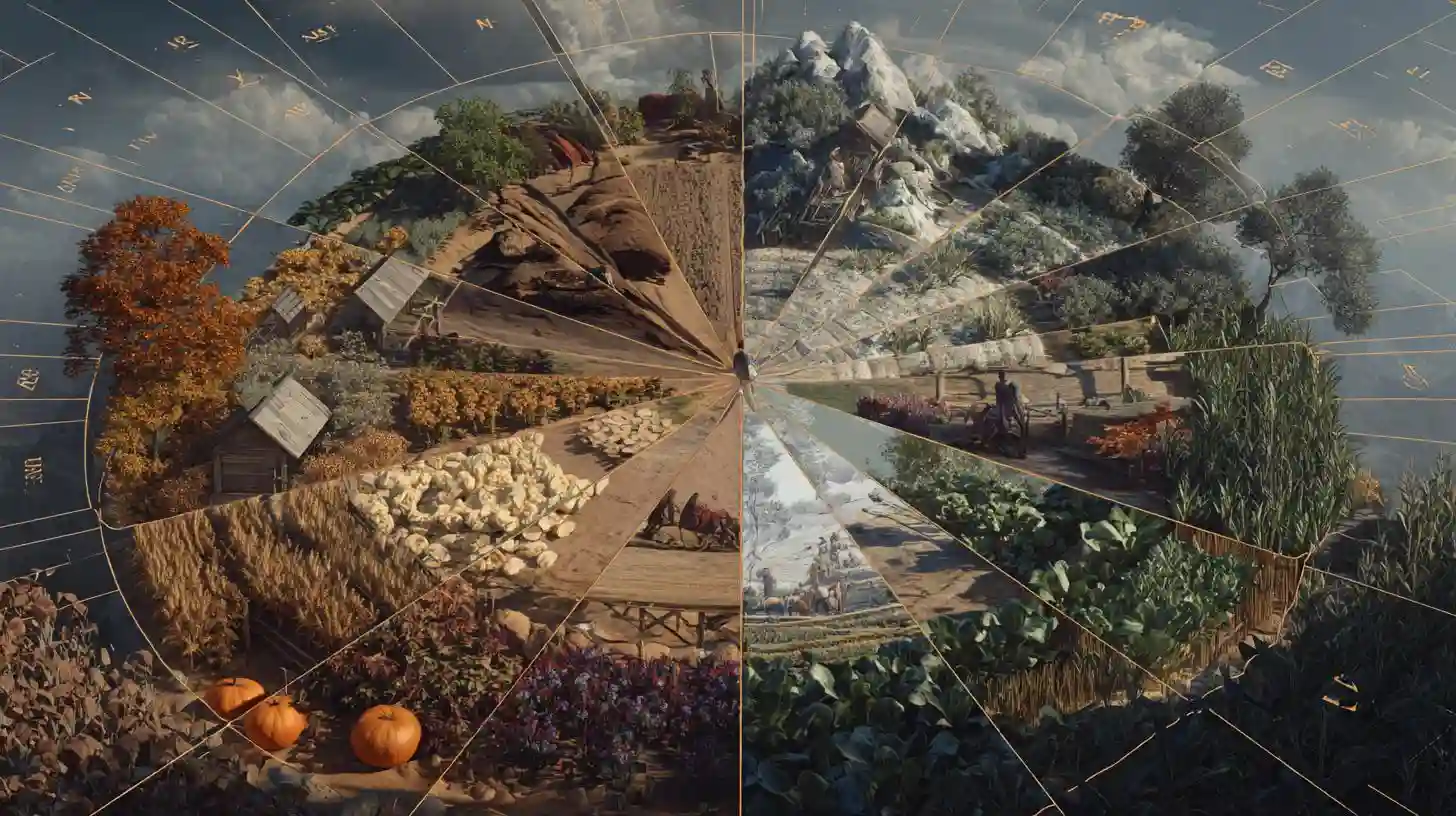
The relationship between seasons and agricultural cycles is a fundamental aspect of farming and food production. Different seasons bring about distinct environmental conditions that influence crop growth, development, and harvest. For most regions, this cyclical pattern of seasons dictates when farmers can plant, nurture, and reap their crops. The temperature, rainfall, and daylight hours in each season play crucial roles in determining the types of crops that can be grown and the timing of their growth stages.
Spring marks the beginning of new growth. As temperatures rise and days lengthen, soil warms, providing the ideal conditions for seeds to germinate. Farmers often plant crops like grains, vegetables, and fruit trees during this time. The combination of increased sunlight and moderate rainfall ensures that plants have the necessary energy and water to grow strong. Spring is also the time when many plants begin flowering, setting the stage for fruit and seed production in the coming months.
Summer is the season of rapid growth and maturation. With higher temperatures and extended daylight hours, plants continue their development at an accelerated pace. Crops that have been planted earlier in the year, such as corn, tomatoes, and wheat, thrive during the summer months. The warmth allows for photosynthesis to occur more efficiently, supporting the production of energy required for growth. This is also a critical time for the proper care of crops, as irrigation and pest control are essential to prevent damage from heat stress or infestations.
As the seasons transition into fall, the focus shifts from growth to harvest. Cooler temperatures and shorter days signal that crops are nearing maturity. This is when fruits and vegetables reach their peak ripeness, and many crops are harvested. The abundance of crops gathered in fall provides food for winter and spring, preserving the cycle for the next year. Farmers must work diligently to harvest before the frost sets in, as cold temperatures can damage crops and reduce yields.
Winter brings a dormant phase in the agricultural cycle. In many regions, cold weather halts plant growth, and fields remain barren until the arrival of warmer temperatures. During this time, farmers often prepare for the upcoming planting season by maintaining tools, repairing equipment, and reviewing crop rotation plans. While not a growing season, winter is vital for soil health, as it allows fields to rest and regenerate, ready for the renewal of life that will begin again in the spring.