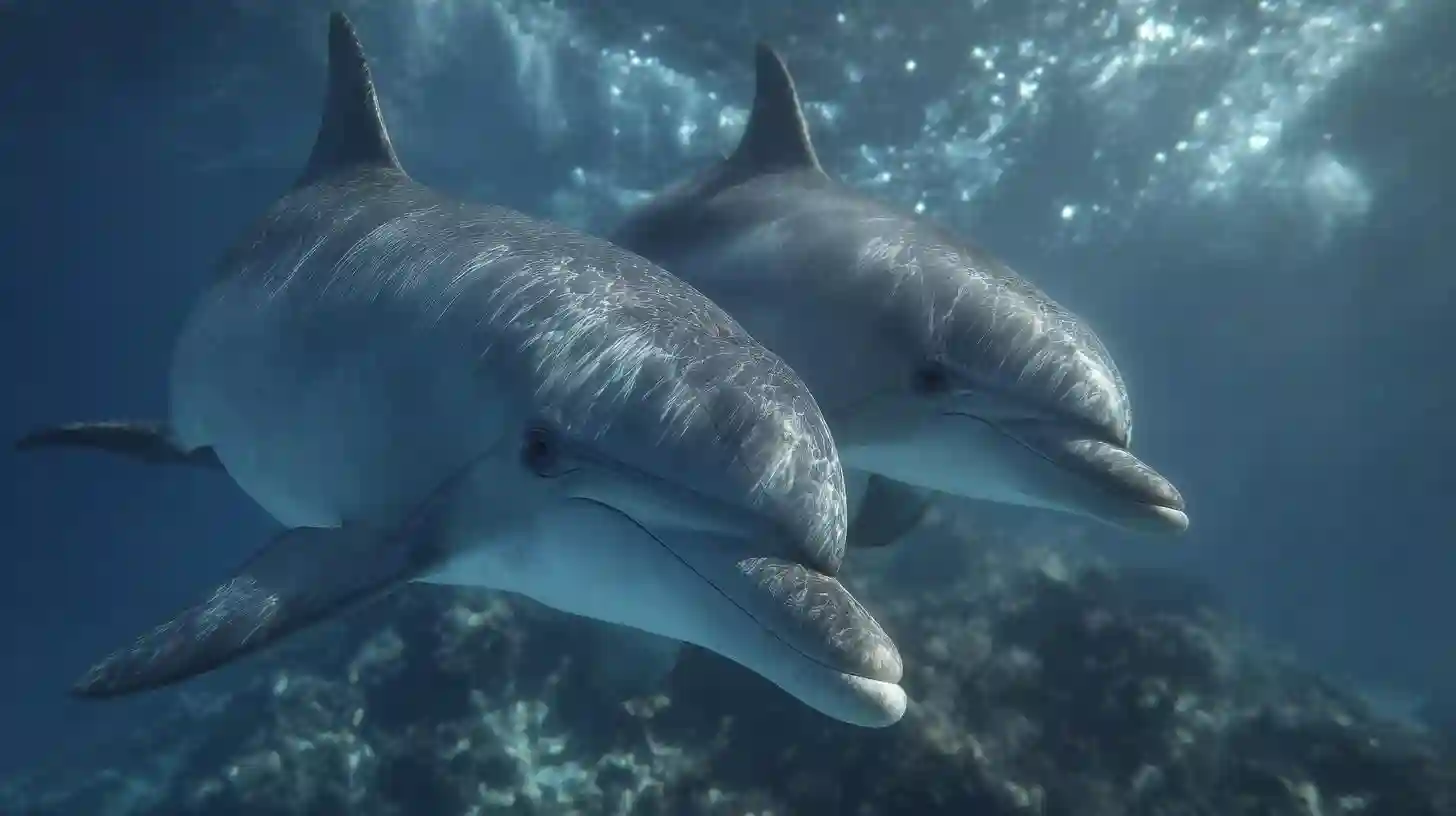
The conservation of endangered dolphin species has become a pressing issue in marine biology and environmental protection. Dolphins, known for their intelligence and social behavior, play an important role in maintaining the balance of marine ecosystems. However, various factors, including habitat destruction, pollution, and overfishing, have contributed to the decline of dolphin populations around the world. One of the most significant threats to dolphins is habitat loss due to human activities such as coastal development, oil drilling, and shipping. These activities not only destroy the natural habitats where dolphins thrive but also introduce harmful pollutants into the water, making it increasingly difficult for dolphins to survive. Another major threat is bycatch, where dolphins become accidentally entangled in fishing nets. This can result in injury or death, further reducing their numbers. Additionally, noise pollution caused by boats and industrial activities disturbs dolphins’ communication and navigation, leading to disorientation and increased vulnerability. Climate change also poses a threat to dolphins, as rising ocean temperatures and changing currents can disrupt food sources and migratory patterns. To protect endangered dolphin species, concerted global efforts are needed. One crucial step is the establishment and enforcement of marine protected areas, where human activities are limited, allowing dolphins to live and reproduce in safer environments. Reducing plastic waste and other pollutants that end up in the oceans is another vital action that can help protect dolphins and their habitats. Additionally, more sustainable fishing practices, such as using dolphin-safe nets and reducing bycatch, can make a significant difference. Public awareness and education are also essential, as informed individuals can advocate for better policies and support conservation initiatives. Marine research is critical to understanding the specific needs and behaviors of different dolphin species, allowing for more targeted and effective conservation strategies. The protection of endangered dolphins requires a collaborative approach involving governments, conservation organizations, scientists, and the public. By working together and taking action on multiple fronts, we can help ensure the survival of these magnificent creatures for future generations.