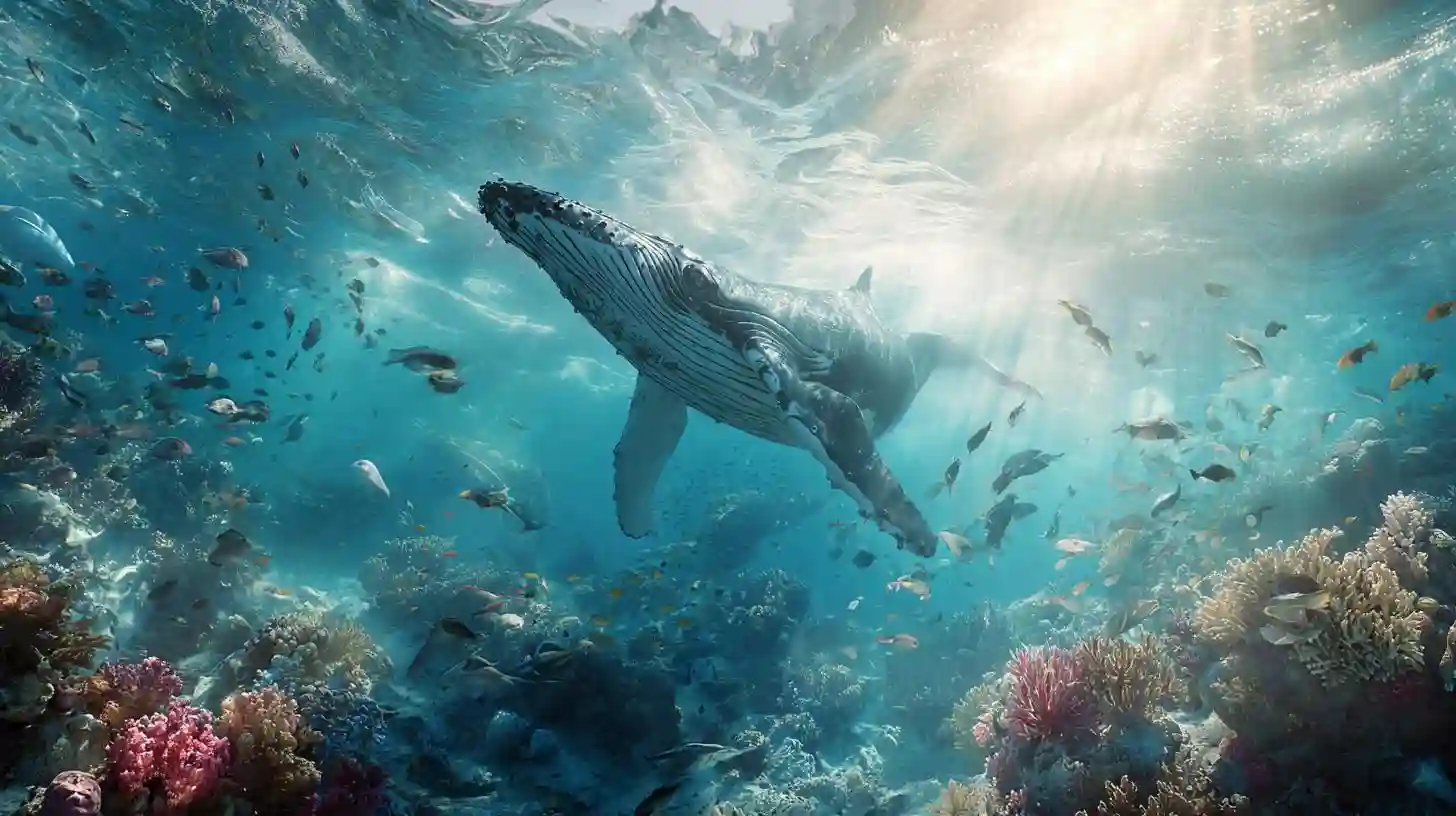
Pollution in the oceans has a profound and often devastating impact on marine mammals and sea life. These creatures are directly affected by the chemicals, plastics, and other pollutants that enter the water, causing harm to both their health and the ecosystems they inhabit. Marine mammals, such as whales, dolphins, and seals, are particularly vulnerable due to their dependence on clean, healthy oceans for food and habitat. Toxic substances like heavy metals, pesticides, and oil can accumulate in the bodies of these animals, leading to a range of harmful effects, from reproductive issues to organ damage and even death. Plastics are another major threat, as marine mammals often ingest them accidentally while feeding or become entangled in discarded waste, leading to physical injury, suffocation, or starvation. For sea life, the impact is equally severe. Fish, turtles, and other aquatic creatures ingest pollutants or absorb them through their skin, disrupting their biological functions and often leading to long-term health problems. Some chemicals in the water, like those used in agricultural run-off, can create dead zones where oxygen levels are too low to support life. This not only affects marine life directly but also disrupts entire food chains, as smaller organisms at the bottom are affected and subsequently impact larger species. Coral reefs, which serve as the foundation of marine biodiversity, are also highly sensitive to pollution, especially from oil and plastics. When these reefs are damaged, the entire ecosystem that relies on them suffers, further harming marine mammals and sea life that depend on these environments for survival. As pollution continues to rise, the future of marine mammals and sea life remains uncertain, with many species facing the risk of extinction due to environmental degradation.