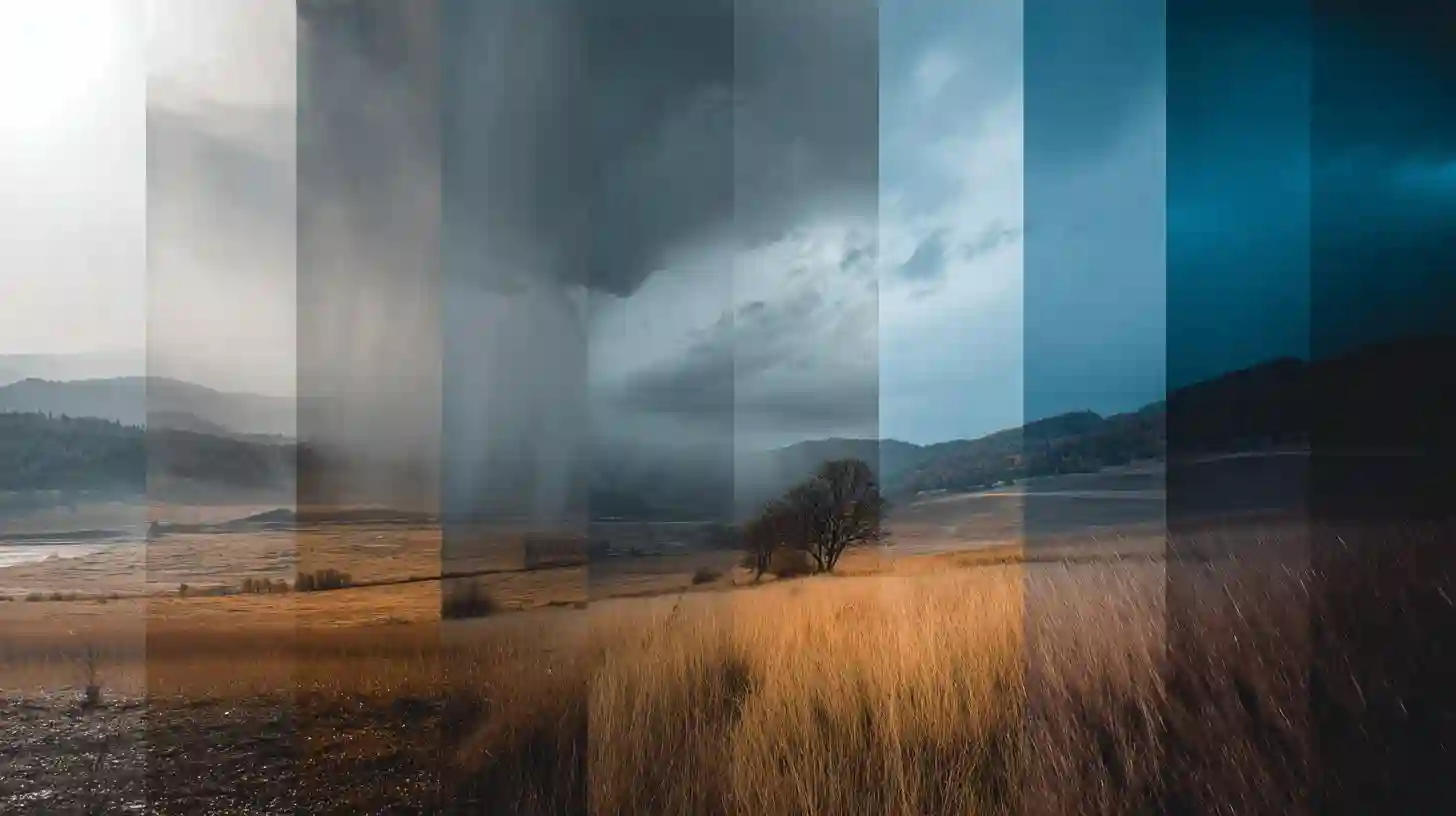
Weather conditions play a crucial role in shaping the outcome of long exposure photography, influencing both the technical aspects and the creative possibilities of each shot. Overcast skies often provide soft, diffused lighting, which reduces harsh shadows and highlights, allowing photographers to capture more balanced and ethereal scenes. The even lighting conditions help maintain detail in areas that would otherwise be lost under direct sunlight, creating a more harmonious composition. Fog or mist adds a layer of mystery and depth to images, transforming ordinary landscapes into otherworldly vistas, as the moisture in the air diffuses light and softens edges.
Wind can dramatically change the dynamics of long exposure work. A gentle breeze can introduce subtle motion to foliage or water, producing delicate blur effects that enhance the sense of movement without overwhelming the composition. Conversely, strong gusts can create unwanted camera shake, requiring careful stabilization or adjustments to exposure times to maintain clarity in stationary elements. Rain introduces reflective surfaces and shimmering textures, adding complexity to streetscapes or urban environments. Water droplets on lenses may cause unintended streaks, but these can sometimes be embraced creatively to evoke emotion or tension.
The time of day in relation to weather also impacts long exposure photography. During sunrise or sunset, clouds can catch the changing light and display vibrant gradients, which become more pronounced with longer exposure times. Nighttime weather conditions, such as a clear sky versus a cloud-covered sky, affect how stars, city lights, and moving clouds are rendered. Humidity and atmospheric haze influence the softness and contrast in the image, altering how distant objects appear and contributing to a sense of depth. Temperature fluctuations can also subtly affect equipment performance, causing lenses to fog or tripods to become unstable if not carefully managed.
Ultimately, weather acts as both a challenge and an artistic tool, shaping how motion, light, and atmosphere are captured. Each condition offers a unique opportunity to experiment, requiring photographers to anticipate changes, adapt techniques, and embrace unpredictability to achieve images that convey mood and storytelling beyond the static capture of a single moment.