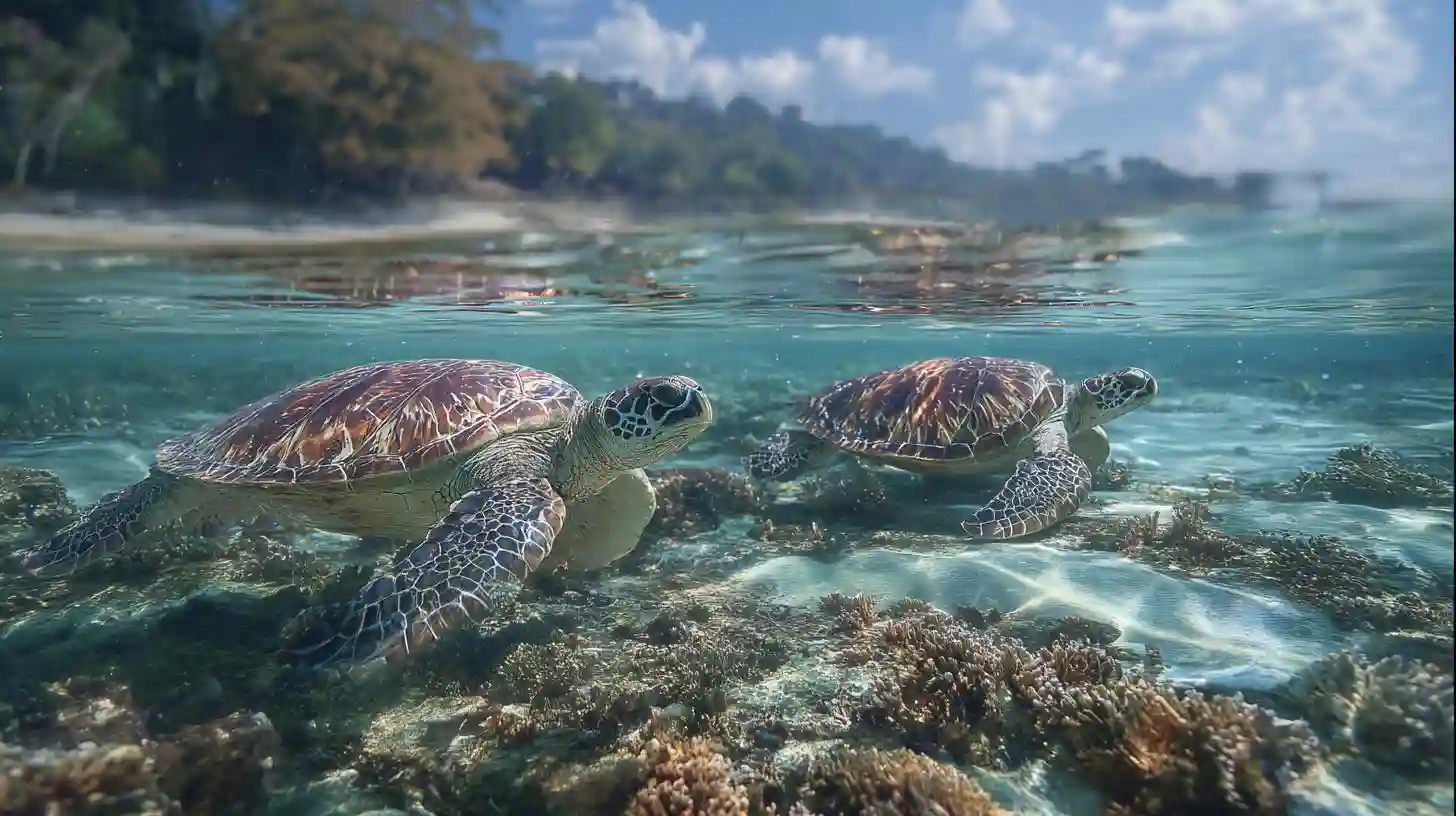
Climate change has had a profound effect on turtle populations worldwide. As global temperatures rise, so do the challenges that these ancient reptiles face in their habitats. The first and most obvious impact of climate change on turtles is the alteration of their nesting sites. Many species of turtles, including sea turtles, rely on specific environmental conditions to nest, such as sand temperature. With the warming of coastal beaches, the temperature of the sand has increased, which can affect the sex ratio of hatchlings. Turtles exhibit temperature-dependent sex determination, meaning that warmer sand produces more females and cooler sand results in more males. This imbalance in the sex ratio threatens the future reproductive success of these species. Furthermore, the rising sea levels caused by melting ice caps have submerged many crucial nesting areas, leading to a significant reduction in available space for turtles to lay their eggs. Beyond nesting sites, the changing climate also affects the availability of food sources for turtles. Ocean temperature shifts alter the distribution of jellyfish, a primary food source for many sea turtles. As water temperatures rise, jellyfish populations may migrate to cooler waters, leaving turtles with fewer resources. This, in turn, affects their overall health and reproductive capabilities. In addition, increased temperatures have led to stronger and more frequent storms. These storms can devastate turtle populations by destroying nests and washing away hatchlings before they have the chance to reach the safety of the ocean. Turtles, especially those in their early stages of life, are incredibly vulnerable to environmental disturbances. As the climate continues to change, it will be increasingly difficult for turtles to adapt to these rapidly shifting conditions. The impact on their populations may not only affect the species themselves but also disrupt the larger ecosystems in which they play a crucial role.