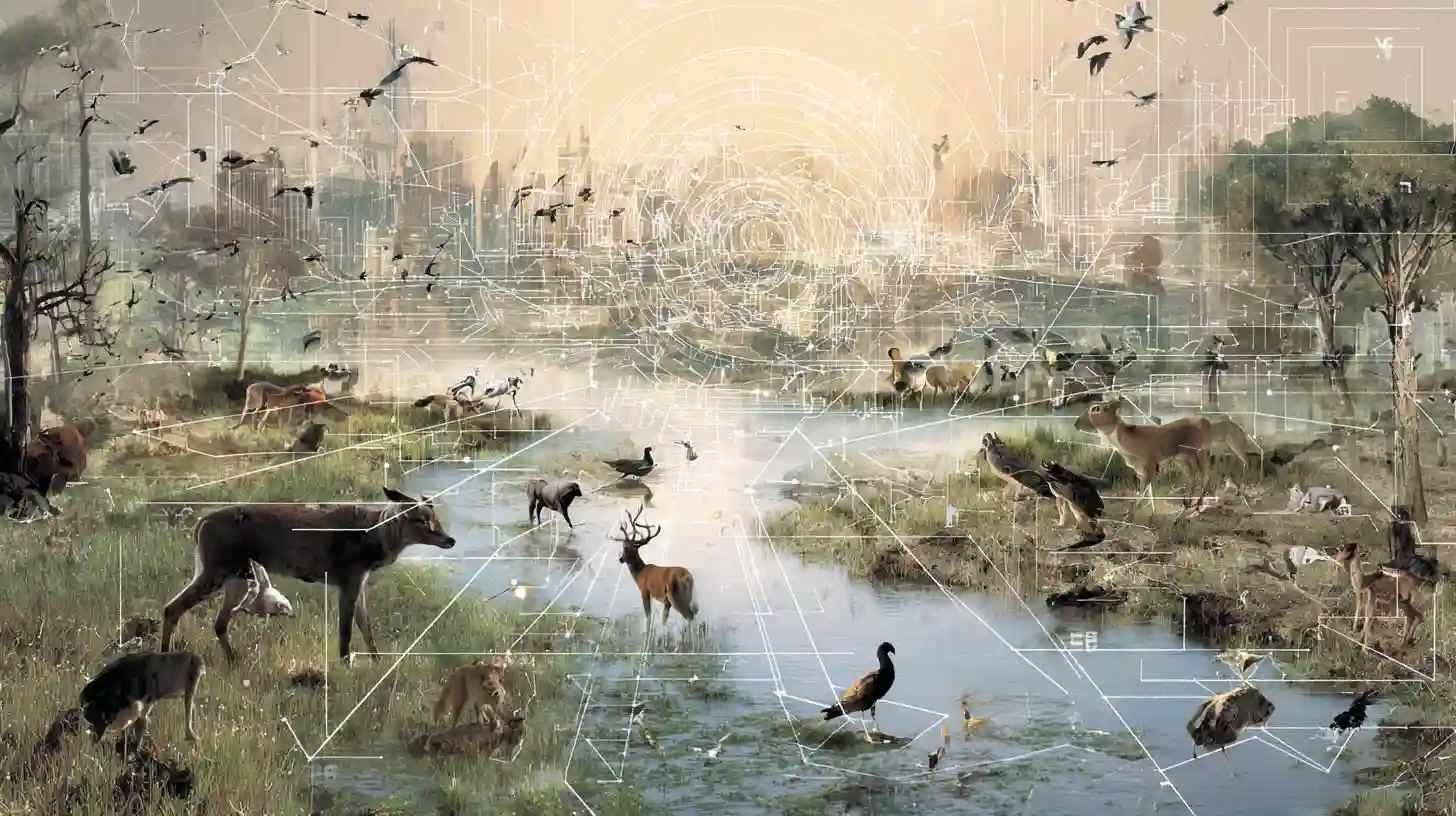
Advancements in technology are significantly changing the way we track and study wildlife in urban environments. With the increasing presence of animals in cities, it has become essential to monitor their behavior, movement patterns, and how they adapt to human-made landscapes. One of the key innovations that aid in this effort is the use of GPS tracking devices. These small, lightweight trackers are placed on animals like birds, mammals, and even insects, allowing researchers to gather real-time data on their movements, habitats, and interactions within the urban ecosystem. This technology offers a level of precision that was previously unattainable, enabling scientists to map the routes of animals across complex urban terrains. Another breakthrough in urban wildlife research is the use of remote cameras and motion sensors. These devices are strategically positioned in areas where animals are likely to pass, providing continuous monitoring without disturbing the animals. The cameras capture images and videos of creatures at all times of the day and night, giving researchers insights into their behavior, feeding habits, and social structures. Such technology has become invaluable in understanding how animals adapt to the presence of humans, traffic, and urban development. In addition to visual tracking tools, environmental sensors are now being used to monitor various aspects of urban wildlife habitats. These sensors measure air quality, temperature, and noise levels in specific areas where animals live or travel. By combining environmental data with information from GPS trackers and cameras, researchers can create a more comprehensive understanding of how urban environments impact wildlife. This data can help in conservation efforts and policy-making, providing evidence of areas that may need protection or improvement to support biodiversity. Technology also allows for large-scale citizen science projects where people can contribute data on local wildlife sightings. Apps and platforms allow everyday citizens to report animal observations, contributing to a global database that helps scientists track animal populations and movements across cities and regions. This collaborative approach has led to more inclusive and far-reaching studies of urban wildlife.