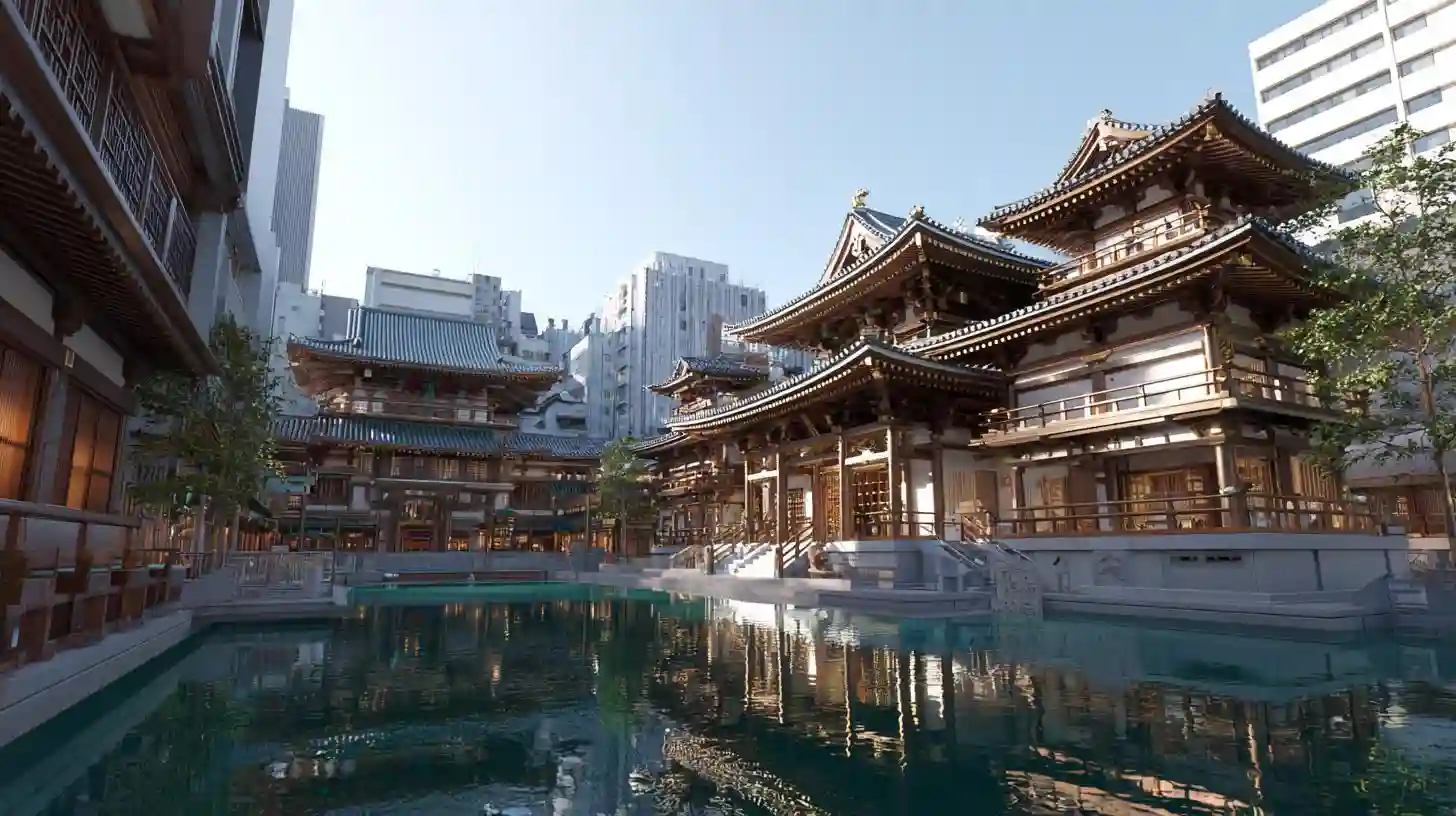
Tokyo, one of the largest cities in the world, has a remarkable ability to blend its rich cultural heritage with cutting-edge modernity. This fusion is evident in the city's urban landscape, where traditional architecture coexists harmoniously with contemporary buildings, creating a unique visual identity. Historic temples, shrines, and traditional wooden houses are carefully integrated into the city's sprawling metropolitan areas, reflecting the Japanese respect for their cultural roots. In neighborhoods like Asakusa, visitors can still find iconic landmarks like the Sensō-ji Temple, standing proudly amidst modern shops and cafes, offering a glimpse into Tokyo’s past while embracing the vibrant present.
In terms of city planning, Tokyo’s approach is rooted in a deep understanding of maintaining the balance between preservation and innovation. Modern skyscrapers are often designed to complement the city's historical structures, creating a harmonious blend that is both functional and aesthetically pleasing. Traditional architectural elements such as sliding doors, wooden beams, and tiled roofs are often incorporated into new buildings, paying homage to Japan’s architectural history. This ensures that while the city moves forward, it does not lose its cultural essence. Additionally, local governments place great emphasis on preserving areas of historical significance, ensuring that Tokyo’s heritage is maintained for future generations.
The integration of green spaces with traditional architecture also plays a significant role in Tokyo’s city planning. Gardens, shrines, and temples are often surrounded by lush greenery, creating peaceful oases amidst the urban hustle. These spaces not only preserve traditional Japanese gardening techniques but also provide residents and visitors with areas to relax and connect with nature. The design of public spaces, including parks and recreational areas, often reflects traditional Japanese aesthetics, with an emphasis on simplicity, natural beauty, and harmony with the environment.
Tokyo’s public transportation system further complements the city's architectural landscape by providing easy access to both modern and historical sites. Train stations are often equipped with modern facilities, but the stations themselves, and the areas surrounding them, maintain a connection to the past. For example, traditional wooden houses still stand in close proximity to subway stations, offering a striking contrast to the high-tech transit hubs. This thoughtful integration of the old with the new creates a dynamic city where the past and future are not in competition, but rather coexist in a seamless manner. This blending of tradition with modernity is a testament to Tokyo’s forward-thinking urban planning, ensuring the preservation of its rich cultural heritage while embracing the future.