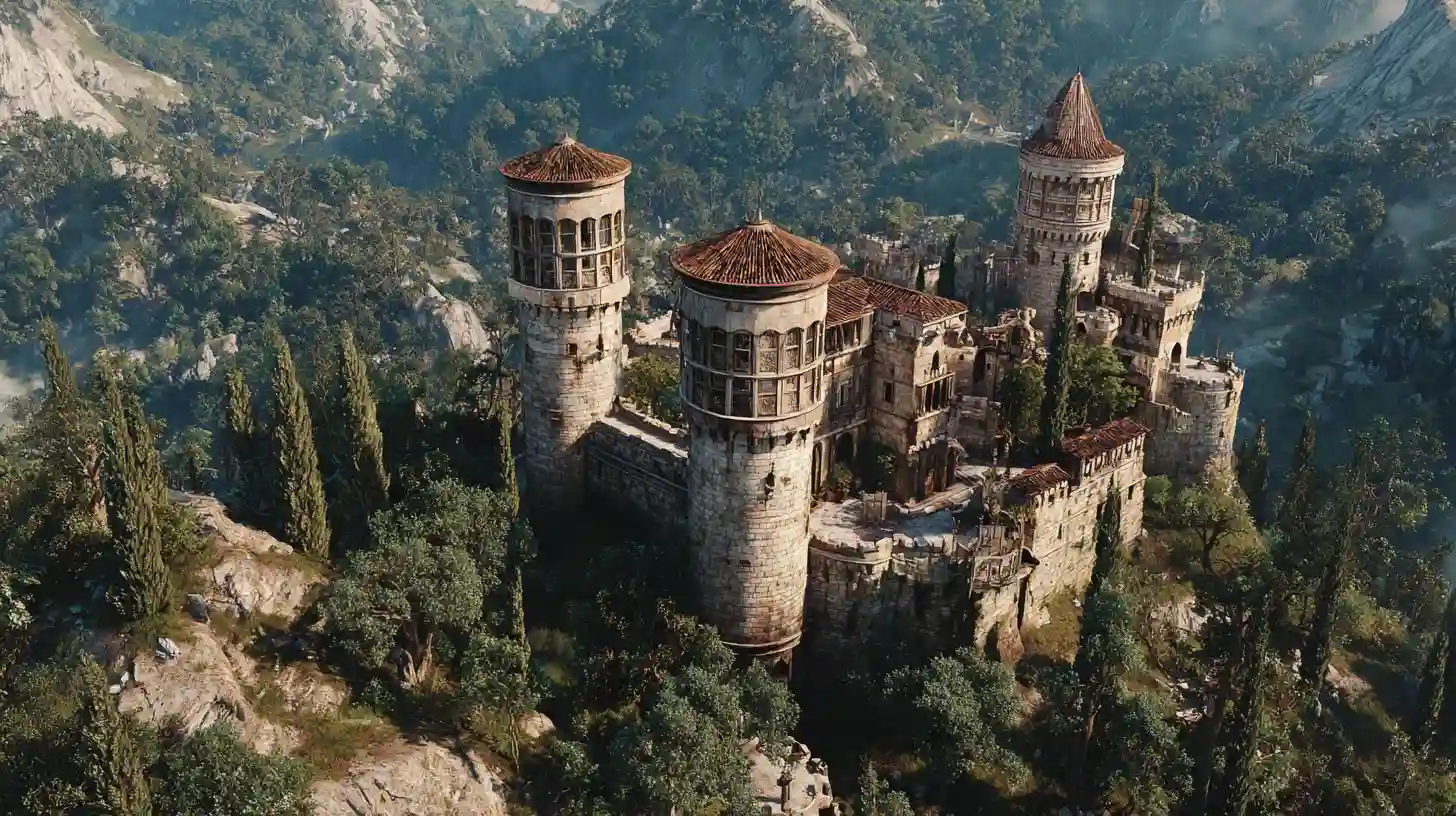
Medieval castle architecture underwent significant transformations that reflected changes in military strategy, social structures, and technological advancements. Early castles were often simple wooden motte-and-bailey structures, designed primarily for defense and rapid construction. These fortifications consisted of a raised earthwork called a motte, topped with a wooden keep, and an enclosed courtyard or bailey, which housed essential buildings and livestock. The wooden components, while expedient, were vulnerable to fire and decay, prompting a gradual transition to stone constructions. Stone castles offered far greater durability and resistance to siege tactics, becoming symbols of both power and permanence in the medieval landscape. As siege technology advanced, castle designs became increasingly sophisticated, incorporating features such as thick curtain walls, gatehouses, and concentric defenses. Towers, often circular, were strategically placed to provide overlapping fields of fire and minimize blind spots, reflecting a keen understanding of defensive geometry. The introduction of machicolations and arrow slits allowed defenders to repel attackers from protected positions while maintaining structural integrity. Residential comfort also evolved alongside defensive capabilities, with the development of great halls, private chambers, and chapels within the castle walls, demonstrating that these structures were not solely military in function but also centers of governance and social life. Strategic location played a crucial role in castle architecture, with many castles situated on hills, river bends, or near important trade routes to maximize visibility and control over surrounding territory. Architectural embellishments such as decorative stonework, crenellations, and ornamental gates conveyed wealth and prestige, signaling the status of their owners. Innovations in castle design were often influenced by cultural exchanges, with techniques spreading across regions through warfare, diplomacy, and the movement of skilled artisans. Over time, the focus shifted from purely defensive structures to fortified residences that balanced protection with aesthetic appeal, reflecting the complex interplay between security, politics, and social identity in medieval society. The evolution of castle architecture thus illustrates a dynamic process shaped by practical necessity, artistic expression, and the shifting demands of medieval life.