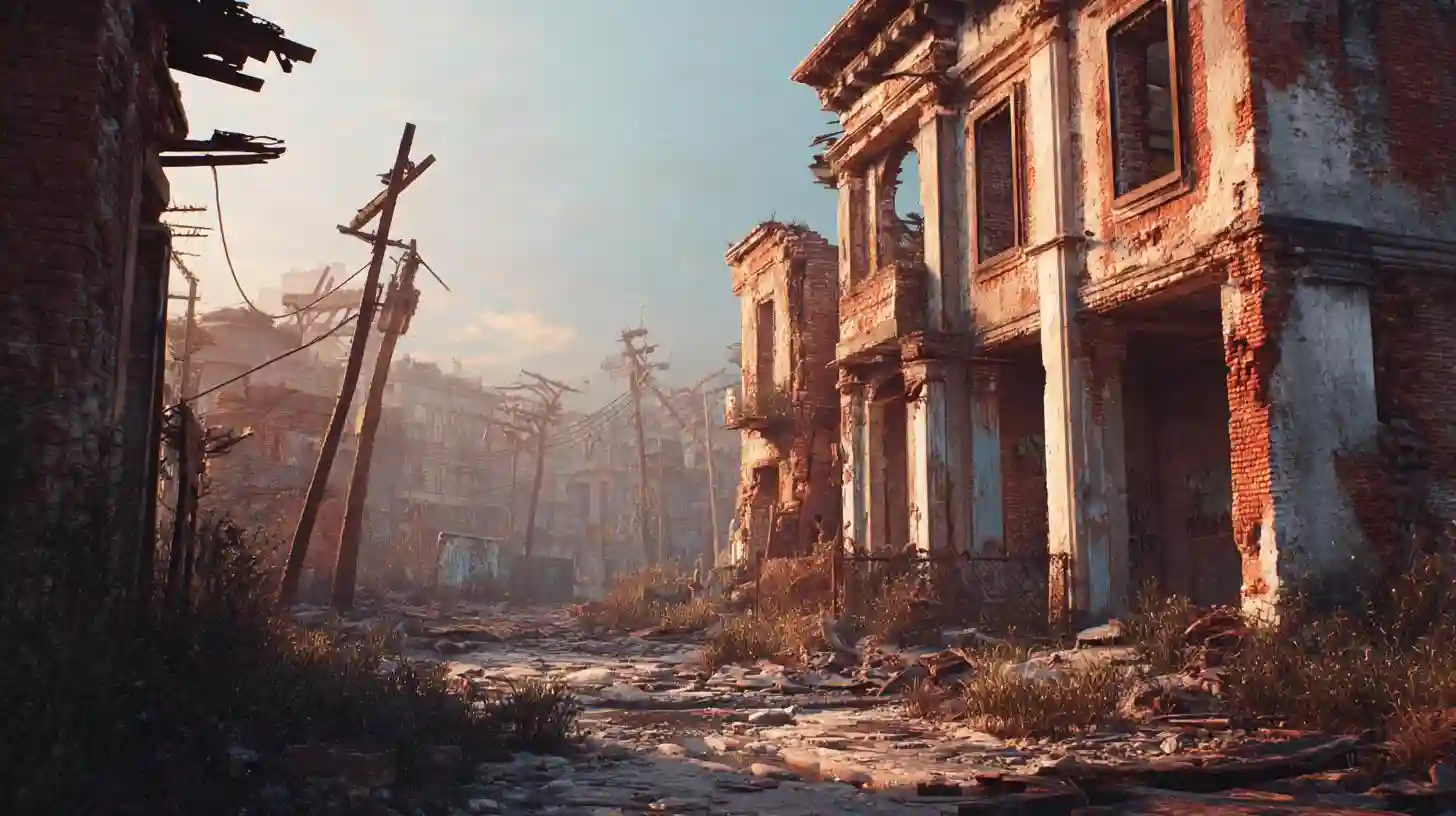
Urban decay has long been a significant influence on artistic expression, shaping how artists perceive and represent the world around them. The gradual breakdown of buildings, infrastructure, and public spaces often mirrors the social and economic challenges that cities face. Artists, in turn, draw inspiration from the crumbling urban landscapes, using these scenes to explore themes of decay, abandonment, and resilience. The peeling paint, rusted metal, and overgrown weeds that define many urban decay environments provide rich textures and contrasts that appeal to various artistic mediums, including photography, painting, and street art.
This sense of deterioration and neglect within urban environments is not merely aesthetic; it is a direct reflection of the societal and political shifts occurring within those spaces. Artists often engage with these themes to highlight the disparity between wealth and poverty, the gentrification of neighborhoods, and the impact of industrialization on communities. Through their work, they are able to comment on the complexities of urban life, the forgotten corners of cities, and the effects of neglect on both the physical environment and the people who inhabit these spaces.
Street art, in particular, has thrived in environments marked by urban decay. Graffiti and murals often transform neglected areas into vibrant displays of color and commentary. These artworks act as a form of resistance against the erasure of history, offering a voice to communities that may otherwise be overlooked or marginalized. The contrast between the decaying infrastructure and the dynamic expressions of street artists is a striking reminder of the power of art to bring life and meaning to otherwise forgotten places.
In the face of urban decay, art also serves as a tool for renewal. Many artists are involved in revitalization efforts, working with communities to reimagine and repurpose spaces that have been abandoned or left behind. This creative approach not only breathes new life into deteriorating buildings but also fosters a sense of connection and pride among residents. Through these artistic interventions, urban decay becomes a catalyst for social and cultural transformation, as art gives voice to the past while envisioning a new future.