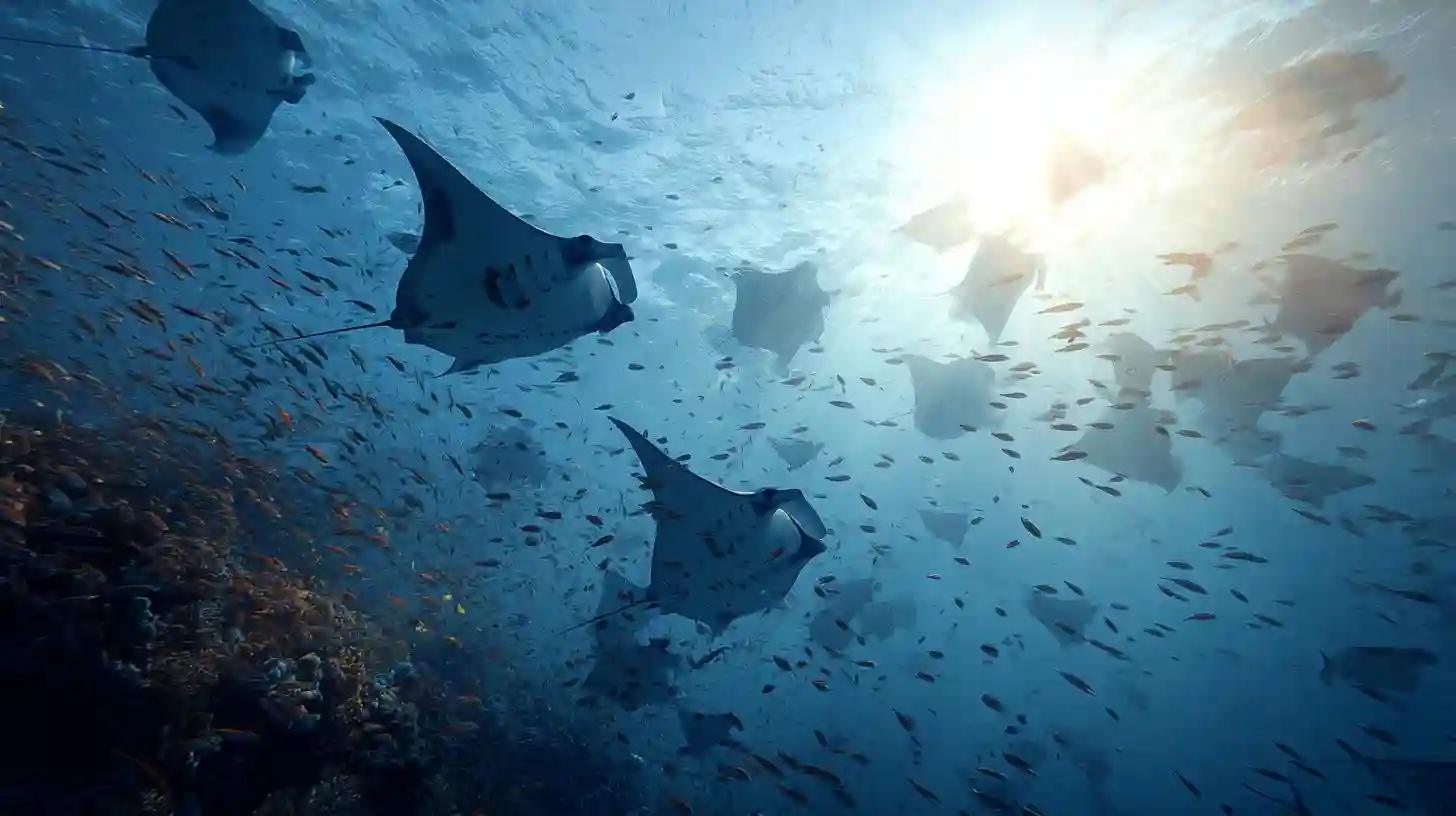
Mobulas, often referred to as "devil rays," play a significant role in marine ecosystems. These graceful creatures, closely related to manta rays, are found in tropical and subtropical waters around the world. They are vital components of the marine food web, contributing to both the health of ocean ecosystems and the balance of species populations. By feeding primarily on plankton, small fish, and crustaceans, mobulas help regulate the abundance of these organisms, which in turn supports the overall ecological balance. Their feeding behavior can also help in the distribution of nutrients across various ocean layers, promoting the health of other marine life.
In addition to their ecological contributions, mobulas are also a source of economic value through ecotourism. Marine tourism activities, such as snorkeling and diving, often revolve around observing these magnificent creatures in their natural habitat. The presence of mobulas in certain regions attracts tourists, which boosts local economies and raises awareness about the importance of marine conservation.
Despite their ecological significance, mobulas face numerous threats. One of the most pressing dangers is overfishing, particularly for their gill rakers, which are highly valued in some traditional medicine practices. Habitat destruction, pollution, and climate change also pose significant risks to their populations. As a result, mobulas are listed as vulnerable or endangered by various conservation organizations, and efforts to protect these species have gained traction in recent years.
Conservation initiatives focused on mobulas have become increasingly important in recent years. Several marine protected areas have been established to safeguard their habitats and reduce the impact of human activities on their populations. Additionally, international agreements and advocacy campaigns are working toward reducing the demand for mobula products, such as gill rakers, to curb the pressure on their numbers. As ocean ecosystems continue to face numerous challenges, protecting mobulas and other keystone species will be essential for maintaining the health and resilience of marine environments.