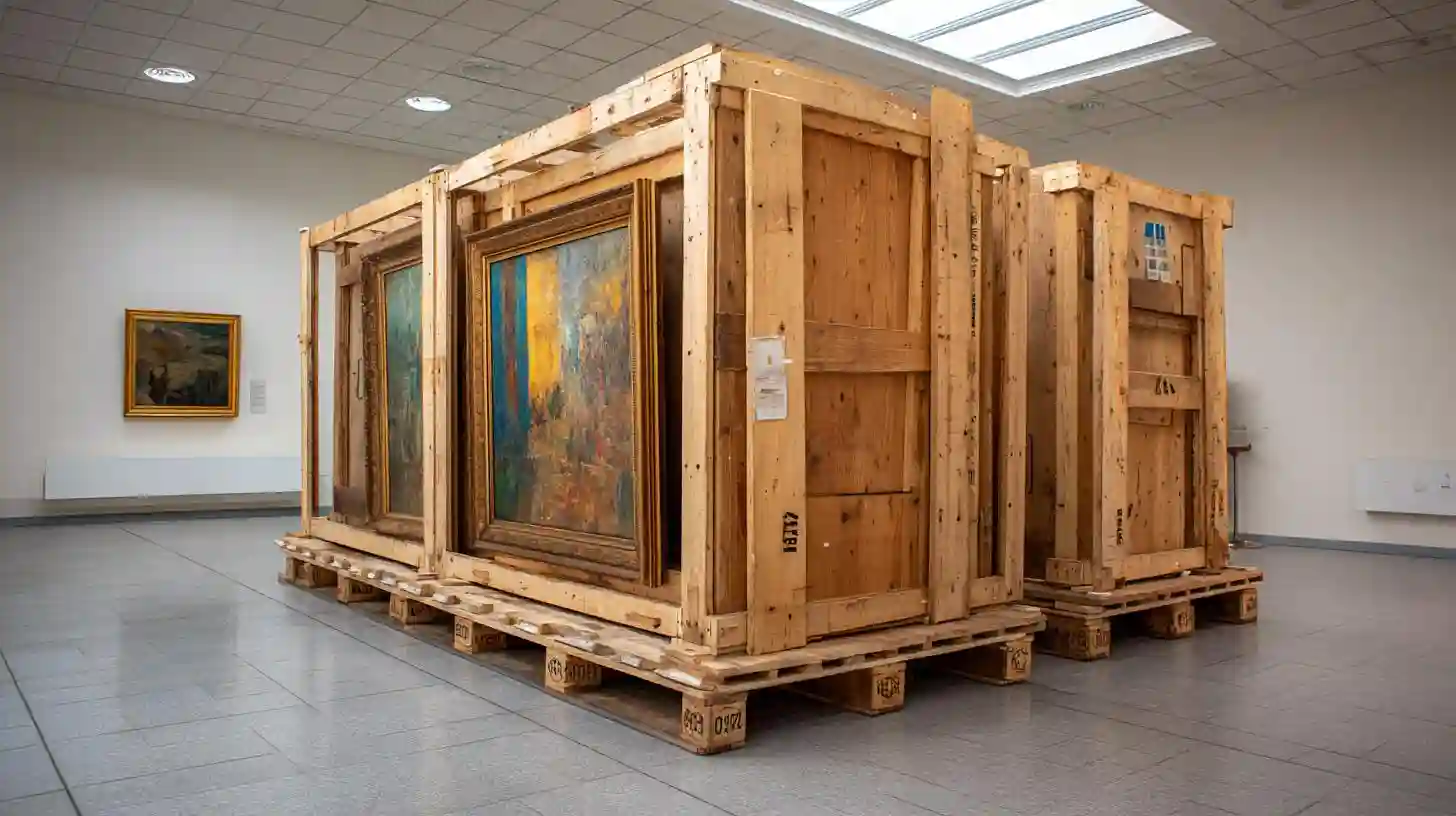
Transporting artwork to galleries and exhibitions has traditionally relied on methods that consume significant amounts of fuel and energy, contributing to carbon emissions and environmental degradation. Artists, curators, and institutions are increasingly aware of the environmental impact of moving paintings, sculptures, and installations across cities and countries. By adopting eco-friendly transportation practices, the art world can play a pivotal role in promoting sustainability while preserving cultural heritage. One key approach involves the careful selection of shipping materials and packaging. Lightweight, recyclable, and biodegradable materials can replace traditional plastics and foam, reducing both waste and the energy required for transport. Additionally, modular and reusable crates can be designed to accommodate multiple pieces of art simultaneously, optimizing space and lowering the frequency of trips. Another significant strategy lies in the use of low-emission or electric vehicles for local and regional transportation. Electric vans and hybrid trucks can replace conventional fuel-based vehicles, significantly reducing the carbon footprint associated with short-distance movements of artworks. In some cases, exhibitions can coordinate with green logistics companies that specialize in sustainable shipping practices, ensuring that each step from the artist’s studio to the display venue follows environmentally conscious methods. International exhibitions can benefit from consolidated transport solutions, where artworks are shipped together in well-planned routes rather than individually, minimizing redundant journeys. Digital tools also contribute to eco-friendly art transportation by allowing precise tracking and inventory management, reducing unnecessary handling and preventing damage that would require additional shipping. Collaboration between museums, galleries, and artists is essential in planning exhibitions with sustainability in mind, encouraging the use of local art whenever possible and considering the environmental impact of each transportation choice. By integrating these practices into standard operational procedures, the art world can significantly reduce its contribution to global carbon emissions, demonstrating that cultural enrichment and environmental responsibility can coexist effectively.