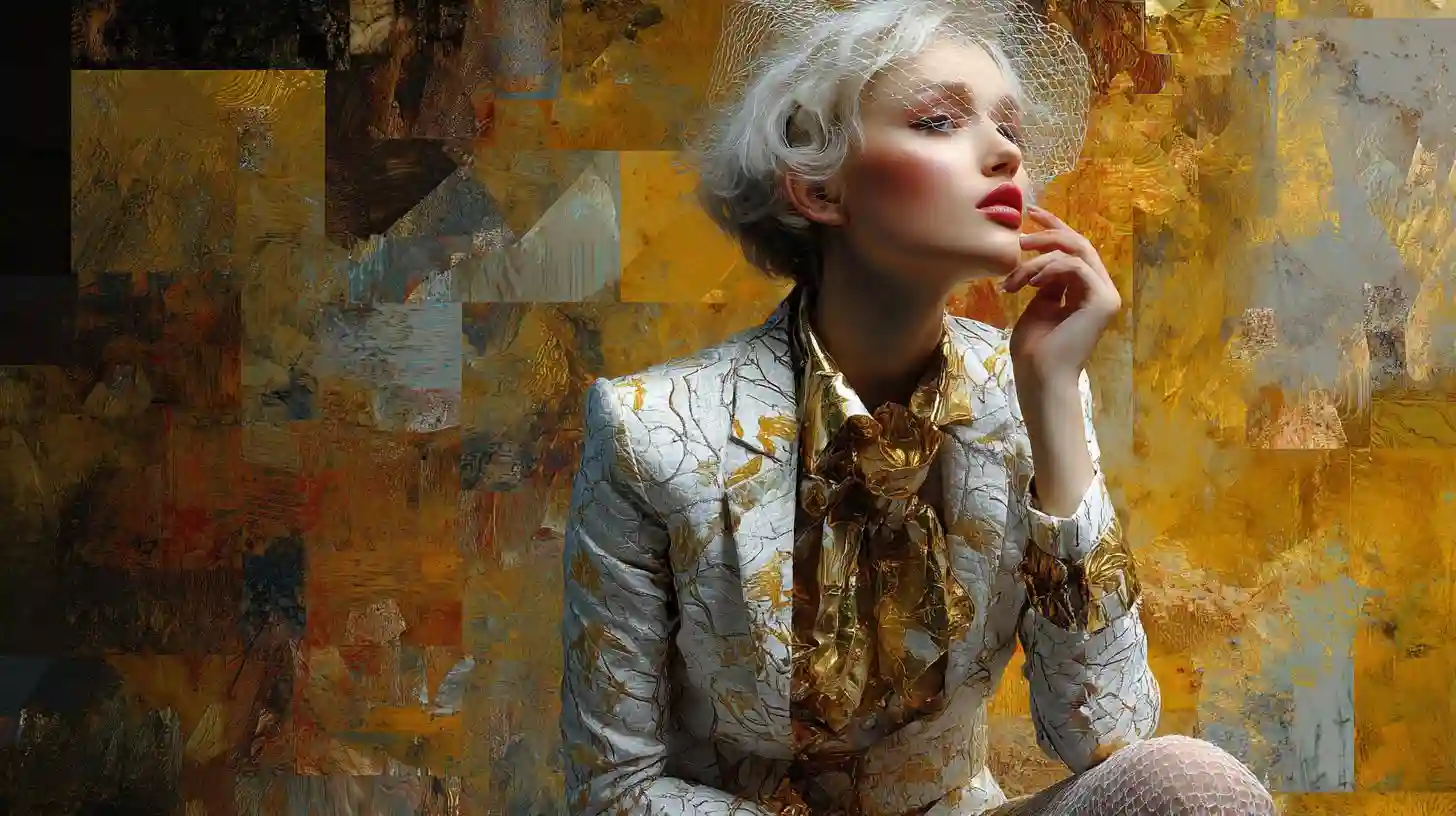
Avant-garde fashion represents a radical departure from traditional styles, embracing innovation, experimentation, and often a defiance of established norms. This movement has significantly shaped modern art and design by challenging conventional aesthetics and offering fresh perspectives on self-expression and creativity. Emerging in the early twentieth century, avant-garde fashion was closely tied to the broader avant-garde art movements, which sought to break free from the constraints of classical traditions. Designers in this realm were not just interested in clothing but in creating wearable art that would provoke thought, stir emotions, and elicit responses from those who encountered it.
Avant-garde fashion often blurs the line between art and design, incorporating elements from sculpture, painting, and performance art into clothing. Designers like Elsa Schiaparelli, Jean Paul Gaultier, and Rei Kawakubo have demonstrated that fashion can be a medium for artistic exploration and cultural commentary. Schiaparelli's collaboration with Salvador Dalí on surrealist designs, for example, brought the fantastical and the subconscious into everyday wear, making a statement that transcended mere aesthetics. Kawakubo, through her Comme des Garçons label, redefined beauty with designs that often appeared deconstructed, asymmetrical, or unfinished, challenging perceptions of what clothing should be.
The avant-garde fashion movement has influenced not only the fashion industry but also the world of art and design in profound ways. In the realm of architecture, designers such as Zaha Hadid drew inspiration from avant-garde concepts, creating buildings that, much like avant-garde clothing, pushed the boundaries of structure and form. Graphic design has also been impacted, with avant-garde principles informing typography, layout, and visual identity in ways that prioritize concept and emotion over traditional rules of design. The experimental nature of avant-garde fashion has led to a broader acceptance of unconventional beauty in all fields, helping to redefine how we understand creativity and the role of the artist.
This approach has had a lasting impact on modern culture, especially as the boundaries between fashion, art, and design continue to blur. Fashion weeks across the world now showcase designs that are more conceptual and thought-provoking than ever before, with designers continually pushing the limits of what is considered acceptable or wearable. Avant-garde fashion is not just about making bold statements through clothing; it’s about shifting societal perspectives and challenging the status quo, making it a powerful force in shaping the future of design and art.