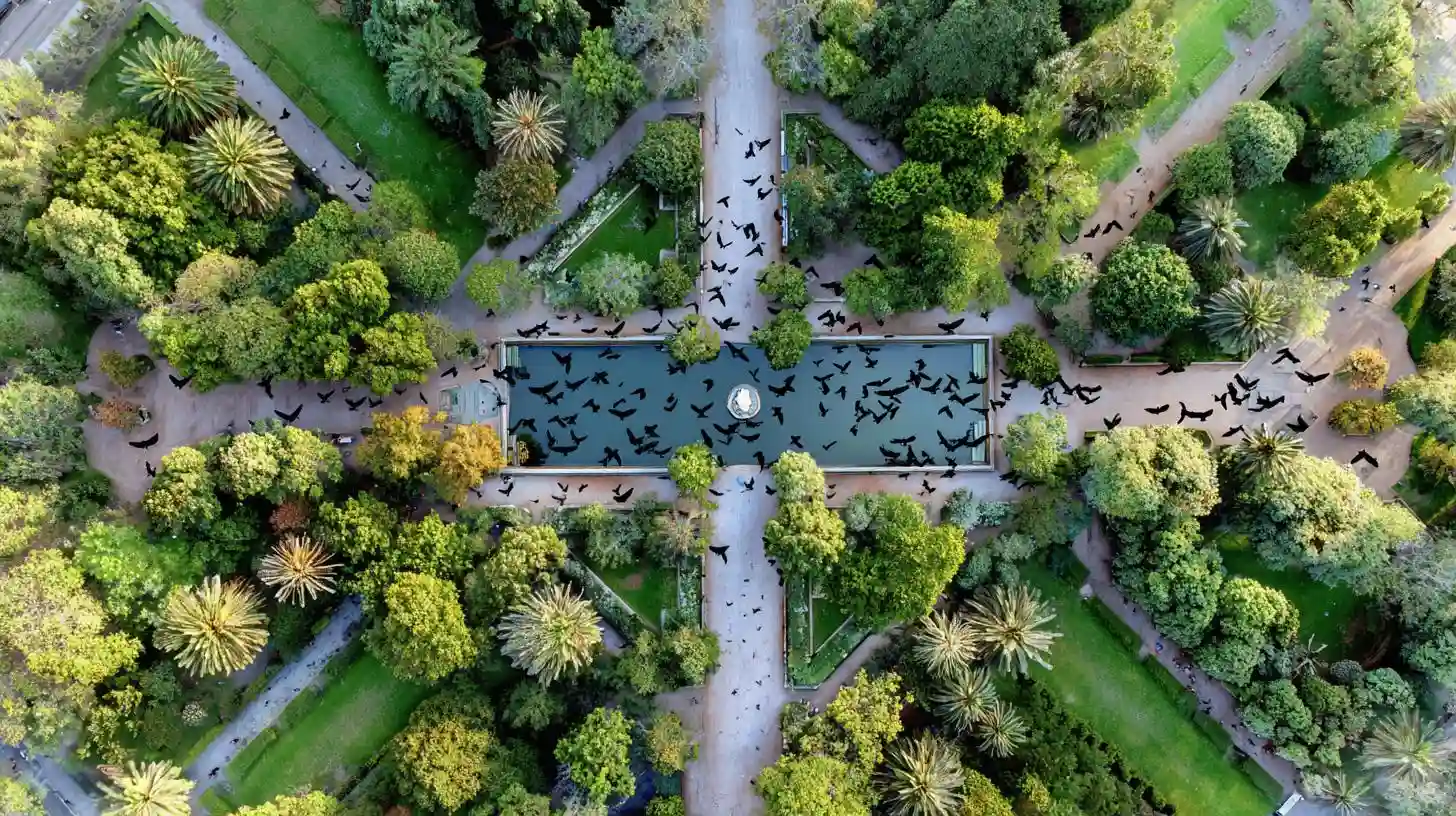
City parks play an essential role in bird conservation by providing crucial habitats for various bird species in urban environments. These green spaces offer a sanctuary where birds can find food, shelter, and nesting areas amidst the concrete and asphalt that dominate most cities. With urbanization rapidly increasing around the world, natural habitats for birds are shrinking, making city parks an important refuge for many species. The trees, shrubs, and grassy areas within parks serve as vital stopovers for migratory birds, offering a safe place to rest and refuel during their long journeys. These parks also contribute to maintaining local biodiversity by supporting resident bird populations. Many species of birds depend on urban parks to breed and raise their young. For example, trees provide the necessary cover and nesting sites, while shrubs and flowers attract insects that birds rely on for food. Moreover, city parks help to combat the challenges posed by urbanization, such as pollution and habitat fragmentation, by creating pockets of natural environments where birds can thrive. The diversity of plant life in these parks can also support a wide range of insect species, further attracting birds that depend on insects for nourishment. Additionally, the availability of water sources in parks, such as ponds, fountains, or streams, is critical for many bird species to survive, offering them a place to drink and bathe. These parks also serve as important educational resources for the public, raising awareness about bird conservation efforts and the role individuals can play in preserving local ecosystems. Local communities can become more engaged in bird conservation by participating in activities like birdwatching, planting native species, and supporting park management efforts. Therefore, city parks are not only beautiful green spaces but also critical components of bird conservation strategies in urban areas, providing vital habitats and resources to ensure the survival of many bird species in rapidly changing environments.