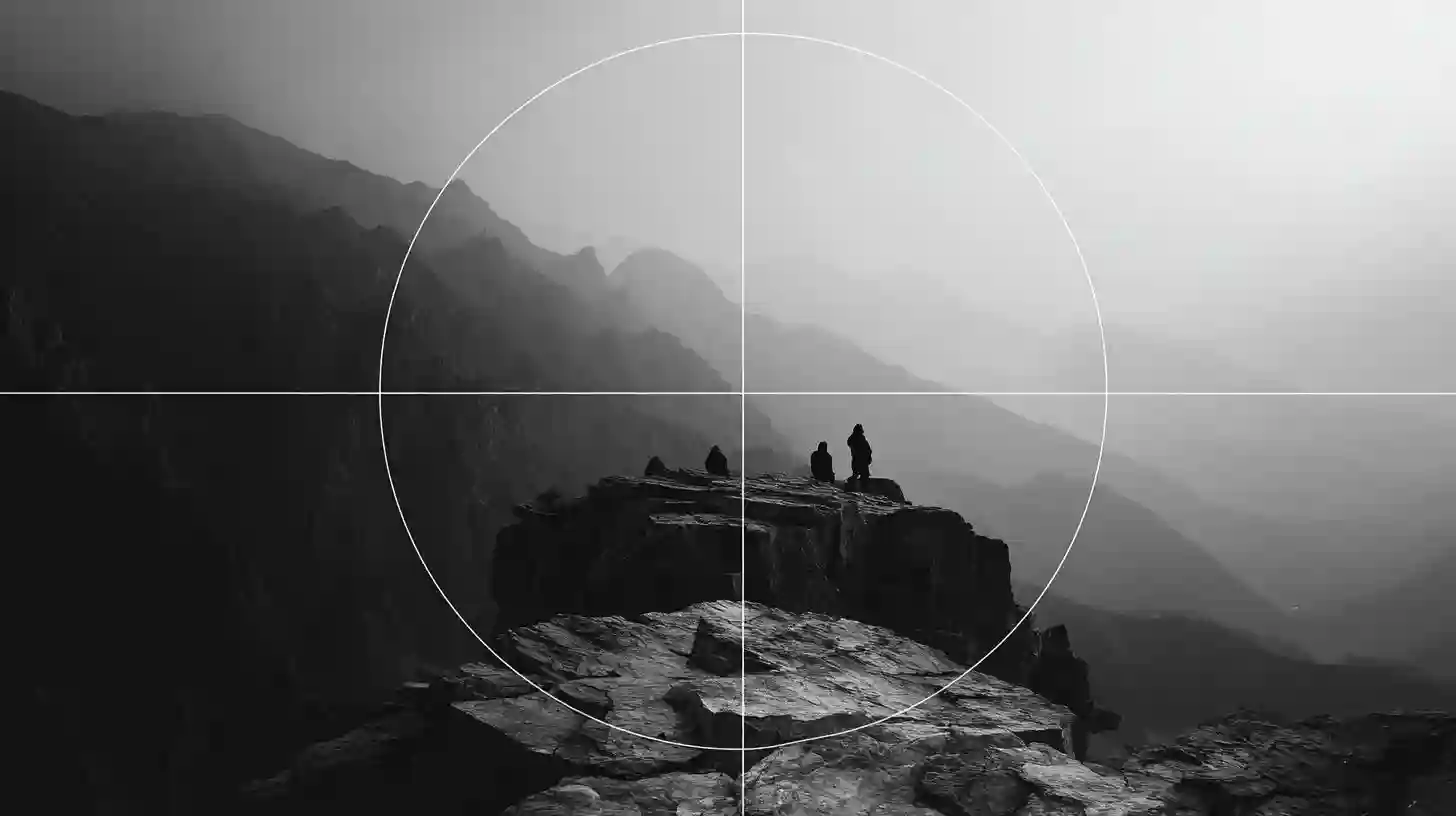
Composition plays a pivotal role in black and white photography, serving as the foundation that guides the viewer's eye and evokes emotion. In the absence of color, the photographer must rely on elements like contrast, texture, shape, and light to create a compelling image. These elements work together to build a sense of depth and mood, with shadows and highlights taking on a more prominent role. Black and white photography eliminates the distraction of color, allowing composition to take center stage in conveying the intended message or feeling.
The use of lines in a black and white photograph can direct the viewer's gaze and establish a strong sense of movement or stillness. Diagonal lines may suggest motion or tension, while horizontal lines can create a feeling of calm and stability. The placement of subjects within the frame is another crucial aspect of composition. The rule of thirds, for example, encourages the photographer to position important elements off-center, creating a more dynamic image. Similarly, leading lines, such as roads or rivers, can draw the eye toward a focal point, providing both a visual path and a sense of storytelling.
Contrast, in particular, is heightened in black and white photography, where the interplay between light and dark areas becomes more pronounced. Strong contrasts can emphasize the texture of a surface, such as the roughness of a tree bark or the smoothness of a reflective surface. Shadows play an equally important role, adding mystery, dimension, and drama to a photograph. The absence of color allows the viewer to focus on the nuances of light, helping to define the form and structure of the subject.
Texture, too, becomes a powerful tool in black and white composition. Without the distraction of color, the tactile qualities of objects are emphasized, bringing them to life in a way that may not be as noticeable in a color photograph. The grain of a photograph can also contribute to its overall feel, either softening the image or giving it a raw, gritty texture that complements the subject matter.
In black and white photography, the composition must work harder to evoke emotion and convey meaning. With the right balance of light, shadow, contrast, and texture, a photograph can transcend its visual simplicity to communicate complex ideas and emotions. Whether it is the stark simplicity of a lone tree against a pale sky or the intricate detail of a weathered face, the composition in black and white photography has the power to tell a story that resonates deeply with the viewer.