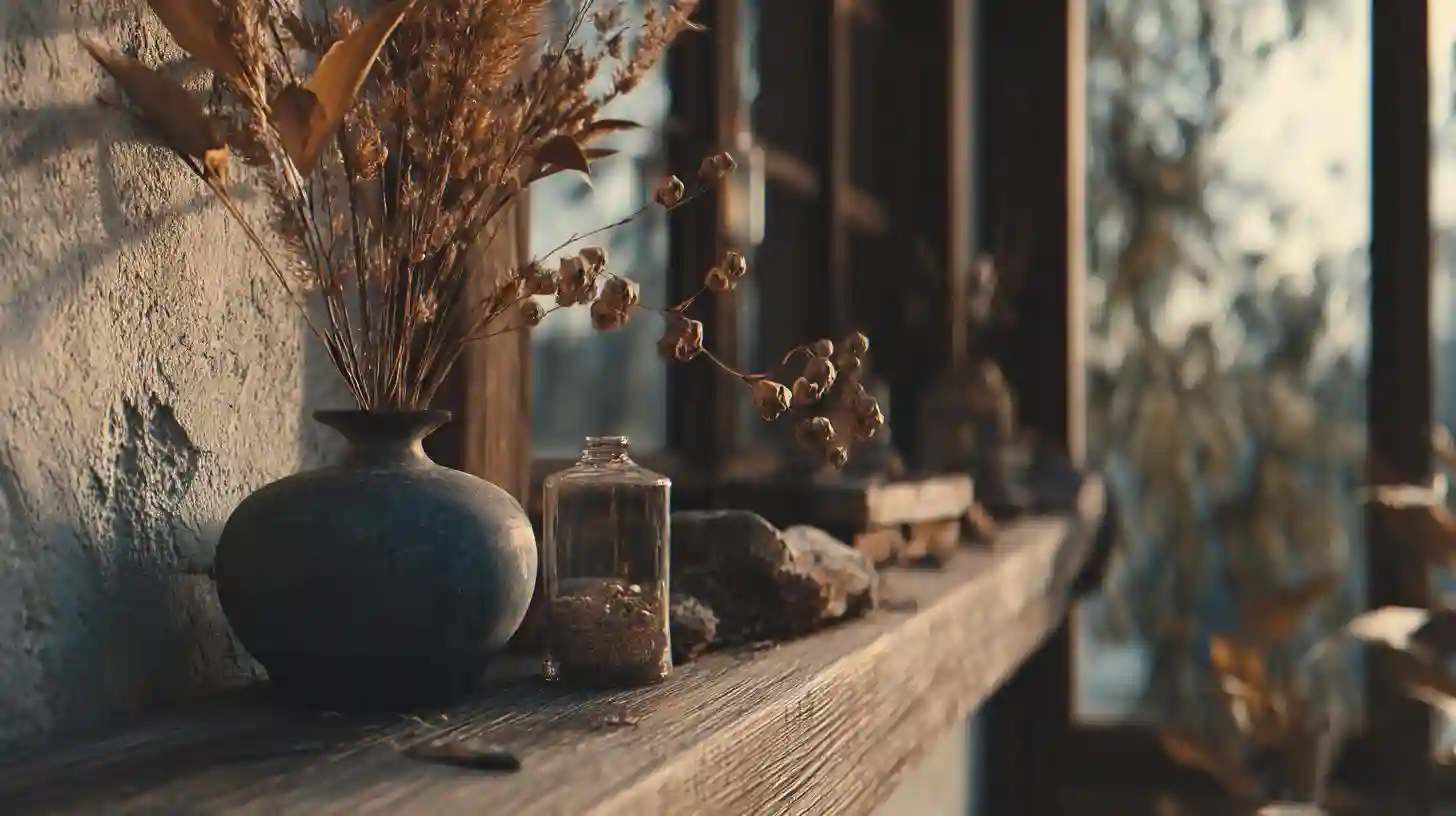
Props are essential elements in storytelling through photography, often playing a crucial role in adding depth, context, and emotion to a visual narrative. They are not just objects placed within a frame, but tools that help to evoke a sense of time, place, and character. Whether it’s a single object or a carefully curated collection, props can bring a photograph to life and make it resonate more deeply with the viewer.
The power of props lies in their ability to enhance the story being told. For instance, a vintage suitcase can suggest themes of travel, adventure, or nostalgia, while a bouquet of flowers might convey romance, innocence, or loss. By strategically choosing props that align with the story's tone, photographers can guide the audience's interpretation and set the mood of the image.
Props also help to define the relationship between subjects within a photograph. In portraits, objects such as books, musical instruments, or clothing can reveal personal details about the subject, providing clues about their personality, interests, or background. For instance, a person holding a camera may suggest they are a photographer or someone who is passionate about capturing memories, while a person surrounded by tools or sports equipment might imply a connection to craftsmanship or athletics.
In narrative photography, props can be used to build a world within the frame. They add layers of meaning that make the story richer, as they create a visual language that communicates something beyond the people in the shot. An abandoned chair in an empty room, for example, might symbolize solitude or loss, while a broken clock could point to the theme of time standing still or lost opportunities.
Furthermore, props can act as symbols, enhancing the emotional impact of a photograph. A child’s toy left on the ground could symbolize innocence lost or the passage of time, while an open letter might signify a story waiting to be told or a moment of change in a character’s life. By incorporating objects that are charged with meaning, photographers can create powerful, thought-provoking images that invite viewers to reflect on the story being told.
Ultimately, props in photography serve as much more than decorative elements. They are integral parts of the visual storytelling process, offering hints, enhancing emotions, and guiding the viewer’s understanding of the narrative. The careful selection and use of props allow photographers to convey complex ideas and feelings that might be difficult to express through the subjects alone. Whether subtle or bold, props have the power to transform a photograph from a simple image into a compelling story.