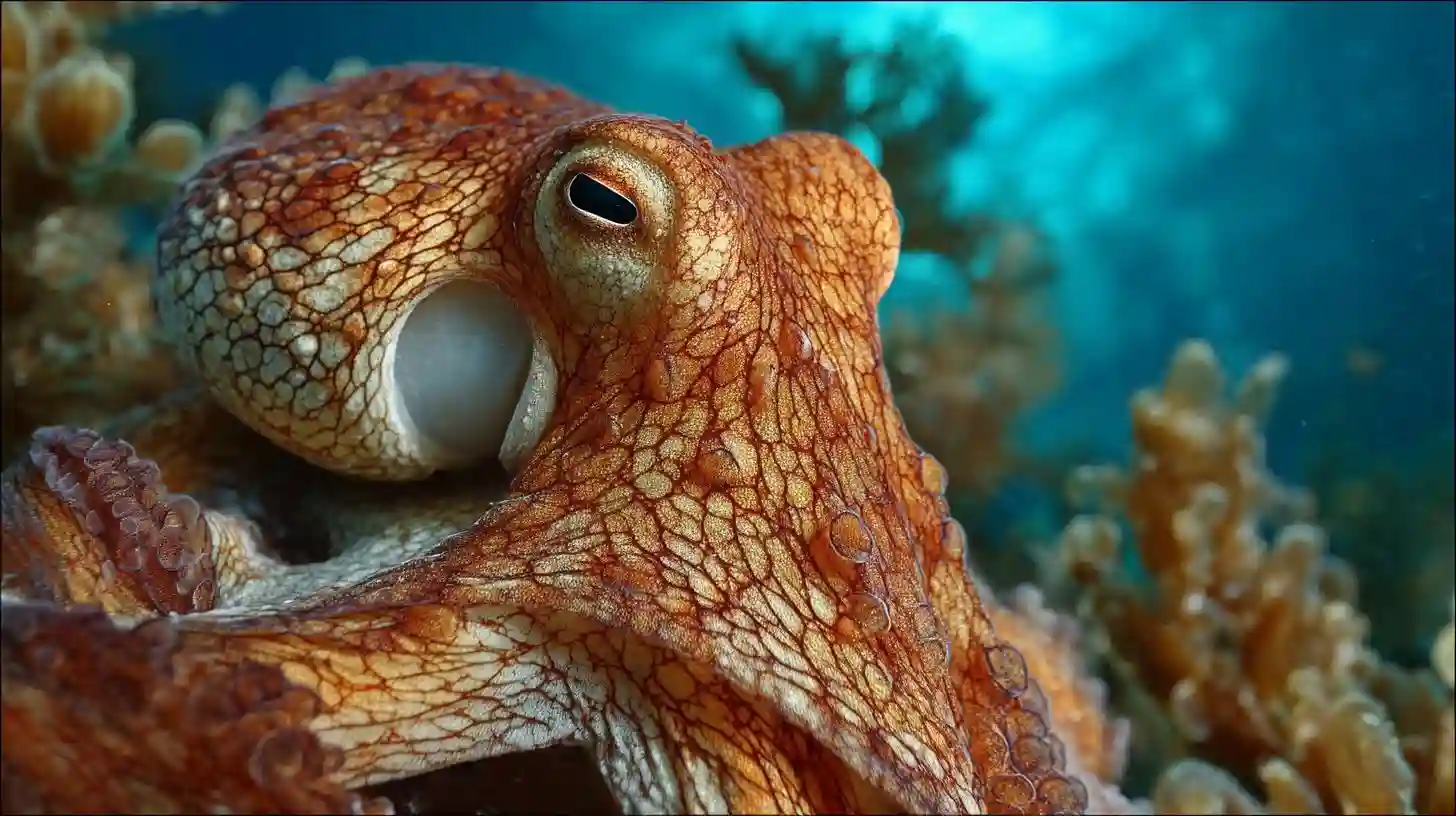
Octopuses are among the most intelligent and fascinating creatures in the ocean, yet they face increasing threats due to human activities. Overfishing, habitat destruction, pollution, and climate change all contribute to the decline in octopus populations. To protect these incredible beings, it is essential to take a multifaceted approach that includes strengthening marine conservation efforts, improving sustainable fishing practices, and raising public awareness about the importance of preserving marine biodiversity.
One crucial step is creating and enforcing marine protected areas where octopuses and other marine life can thrive without the pressure of human exploitation. These areas would allow for the restoration of ecosystems, providing a safe haven for octopuses to grow, reproduce, and maintain healthy populations. Such zones also help maintain biodiversity, which is vital for the overall health of the oceans.
Sustainable fishing practices are equally important in octopus conservation. Overfishing of octopuses and the destruction of their natural habitats through unsustainable fishing methods, such as trawling, must be curtailed. Promoting responsible fishing techniques, such as using selective gear that reduces bycatch and adopting fishing quotas, can significantly lessen the impact on octopus populations. Additionally, educating both fishers and consumers about the benefits of sustainably sourced seafood can create a demand for more eco-friendly practices in the industry.
Pollution is another significant threat to octopuses, especially the increasing levels of plastic waste in the oceans. Octopuses often mistake plastic debris for food, which can lead to ingestion and even death. Reducing plastic use, improving waste management, and cleaning up our oceans are essential actions for the health of marine ecosystems. Moreover, tackling pollution requires global cooperation to reduce emissions and limit the use of harmful chemicals that affect marine life.
Climate change is also playing a key role in altering ocean temperatures and disrupting marine habitats. Rising sea temperatures affect the availability of food sources for octopuses and can also lead to the loss of habitats such as coral reefs and kelp forests. Mitigating climate change through reducing carbon emissions and transitioning to renewable energy sources is essential for protecting the future of marine species, including octopuses.
Public education and community involvement are pivotal in creating a culture of conservation. Encouraging individuals to support sustainable seafood choices, participate in beach clean-ups, and support organizations focused on marine conservation can have a significant positive impact on ocean health. By increasing awareness of the challenges octopuses face and the importance of their role in marine ecosystems, we can build a collective effort to ensure their survival for future generations.