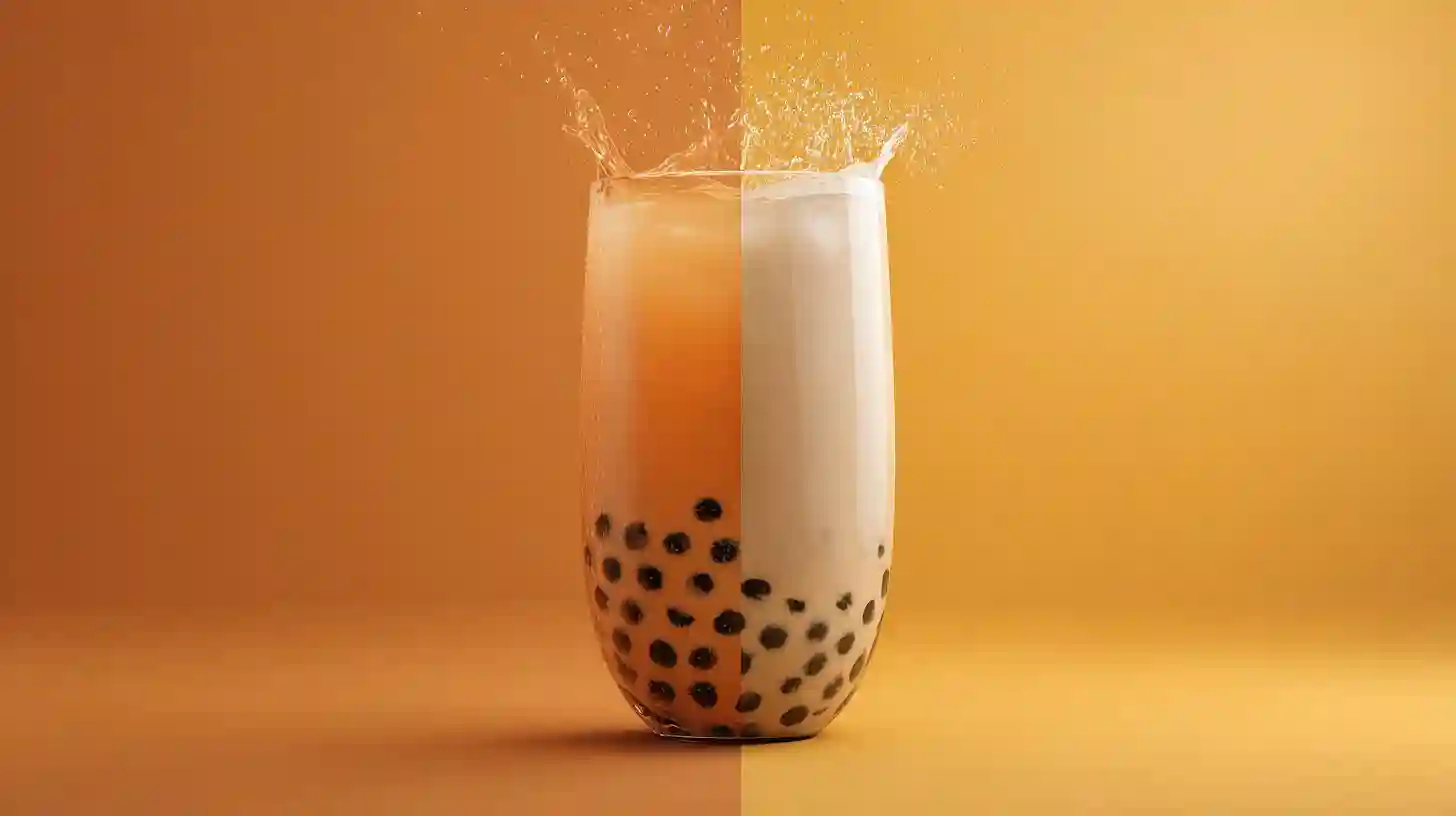
The global spread of milk tea has sparked conversations about cultural appropriation versus cultural appreciation. What started as a simple drink in Taiwan has now become a global phenomenon, with bubble tea shops popping up in cities across the world. But as the drink has gained international popularity, many have started to question whether its widespread consumption constitutes a form of cultural appropriation.
Milk tea, or bubble tea, is deeply rooted in Taiwanese culture. The combination of brewed tea, chewy tapioca pearls, and sweetened milk has a distinct history. The drink first appeared in the early eighties, but it wasn’t until the nineties that it became a cultural staple in East and Southeast Asia. As it spread to other regions, it became not just a beverage, but a symbol of Taiwanese innovation and youthful creativity.
However, the rapid commercialization of milk tea outside of Taiwan has led to concerns. Some argue that when brands and individuals outside of the culture profit from these products without acknowledging their roots, it can feel like cultural appropriation. This term refers to the use of cultural elements, often by those in a position of privilege, without an understanding of their significance. When something like milk tea, which holds cultural value for certain communities, is turned into a global trend, it raises the question of whether the drink is being treated with respect or merely used as a commodity.
On the other hand, many view the global spread of milk tea as cultural appreciation. The drink’s international success has opened doors for people from various backgrounds to learn about Taiwanese culture. For example, milk tea shops often serve as spaces for cultural exchange, where people come together to appreciate not only the drink but also the culture from which it originated. In this context, sharing a beloved drink with the world can be seen as a positive act of global connection.
The difference between cultural appropriation and cultural appreciation is subtle and often subjective. It depends on whether the cultural elements are being respected or exploited. In the case of milk tea, the debate continues as more people enjoy it, but the question remains: is it a genuine appreciation of Taiwanese culture, or is it a commodified version of something that holds deeper meaning? As the drink continues to spread across the globe, it’s essential to consider both the positive and negative implications of its journey.