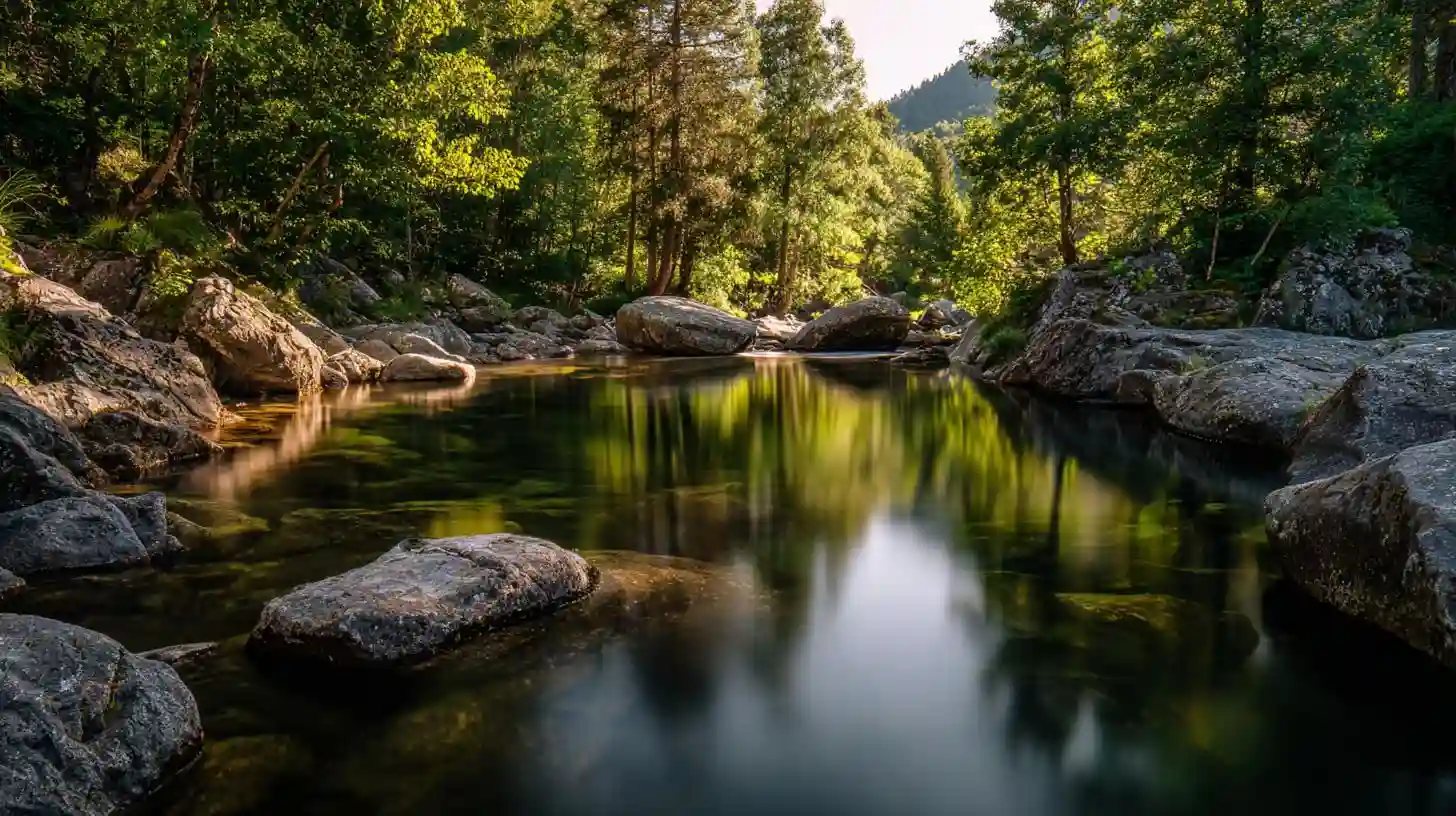
Using ND filters in long exposure photography allows photographers to extend exposure times even in bright conditions, creating unique visual effects that cannot be achieved otherwise. ND filters reduce the amount of light entering the camera lens, which makes it possible to use slower shutter speeds without overexposing the image. This technique is particularly effective for capturing motion in water, clouds, or moving traffic, transforming ordinary scenes into smooth, ethereal compositions that convey movement and passage of time. The choice of filter density is crucial, as different strengths block varying amounts of light and affect exposure duration differently. Learning to estimate the correct exposure with ND filters involves understanding the relationship between aperture, shutter speed, and ISO. It also requires patience and careful metering, as longer exposures often demand trial and error to achieve the desired effect. Using a tripod is essential because even slight camera movement can blur the image, and combining a remote shutter release can further minimize vibrations. Balancing exposure in changing light conditions, such as during sunrise or sunset, may require adjusting the filter strength or stacking filters, though stacking can introduce vignetting or color shifts that need correction in post-processing. Some photographers prefer variable ND filters, which allow continuous adjustment of light reduction without changing filters, though these can produce cross-polarization artifacts if over-rotated. Long exposure photography with ND filters also encourages creative experimentation, such as intentionally blurring people or vehicles while keeping static elements sharp, which adds a dynamic storytelling element to urban and landscape scenes. Mastery of ND filter use demands both technical knowledge and artistic vision, combining careful planning, precise execution, and thoughtful composition to fully exploit the transformative power of extended exposure times. Understanding how different lighting conditions, filter strengths, and shutter durations interact enables photographers to achieve consistent, striking results while maintaining control over image sharpness, depth of field, and motion rendering.