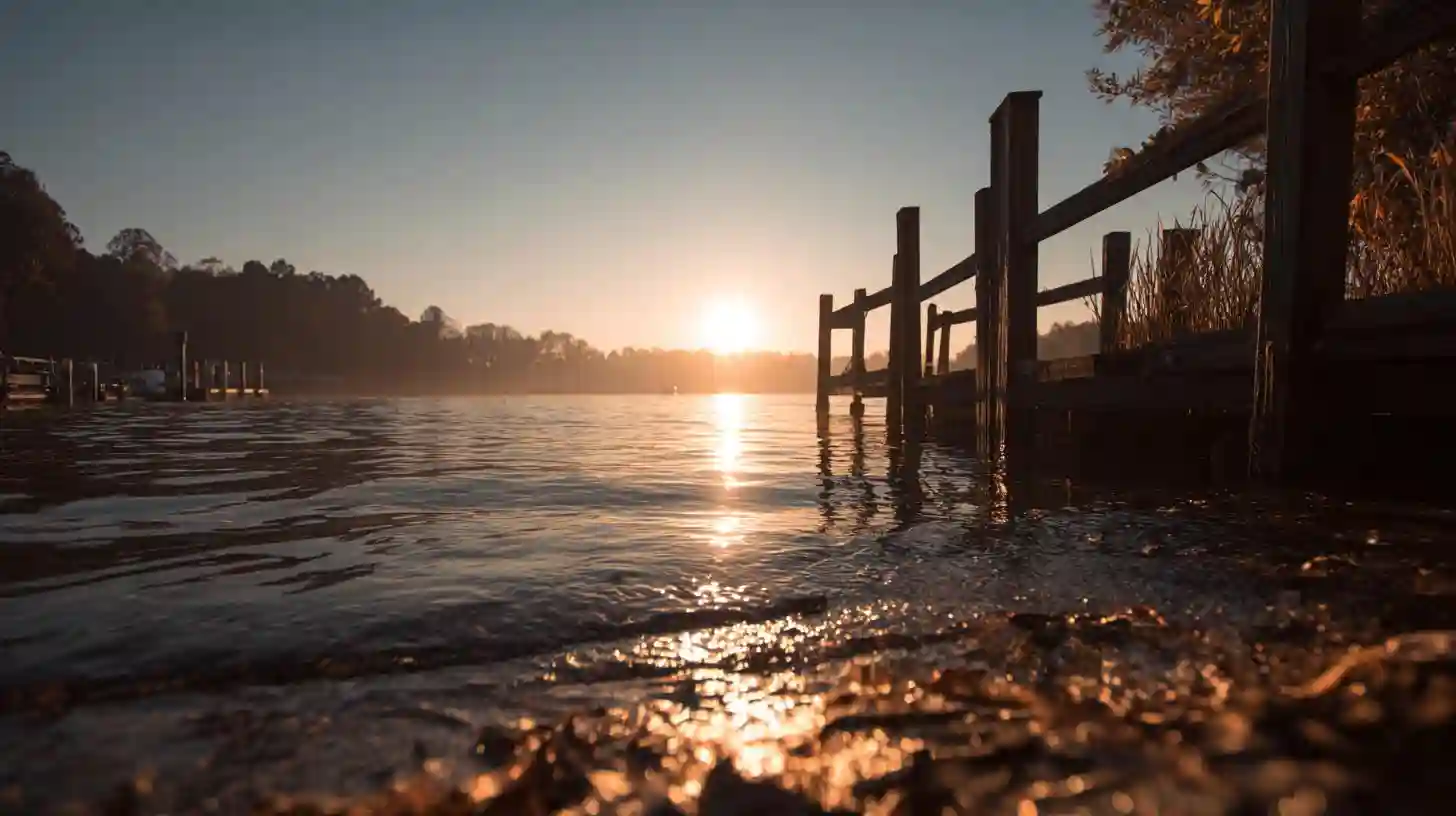
Exposure in photography refers to the amount of light that reaches the camera's sensor or film. Achieving the right exposure is essential to ensure that images are neither too dark nor too bright. Three key elements control exposure: shutter speed, aperture, and ISO. These elements work together to determine how much light enters the camera, and each has a unique impact on the final image.
Shutter speed controls how long the camera’s sensor is exposed to light. A fast shutter speed, like a brief moment, limits the exposure time and is ideal for freezing motion, making it perfect for fast-moving subjects. On the other hand, a slower shutter speed allows more time for light to accumulate, creating motion blur that can convey movement or speed in the image. Choosing the right shutter speed depends on the desired effect, such as capturing a sharp, crisp shot or creating a sense of motion.
Aperture refers to the size of the opening in the lens through which light passes. A larger aperture, indicated by a smaller f-number, allows more light to hit the sensor, which is beneficial in low-light situations. It also creates a shallow depth of field, meaning the background will be blurred while the subject remains sharp. Conversely, a smaller aperture, represented by a larger f-number, allows less light in, but increases the depth of field, bringing more of the image into focus. Aperture plays a significant role in both the exposure and aesthetic quality of the photograph.
ISO measures the sensitivity of the camera’s sensor to light. A lower ISO setting produces less digital noise, resulting in cleaner, more detailed images. However, in low-light conditions, a higher ISO setting is needed to achieve proper exposure. While a higher ISO allows for faster shutter speeds and smaller apertures, it also introduces more noise, which can degrade the image quality. Balancing ISO with shutter speed and aperture is key to managing noise levels and maintaining the desired image clarity.
Together, shutter speed, aperture, and ISO form the exposure triangle, and mastering their balance is crucial for photographers looking to control how light influences their images. Adjusting one element often requires compensating with the others to maintain proper exposure. Whether capturing fast action or a wide landscape, understanding how these settings interact allows photographers to creatively manipulate light and achieve the perfect shot.