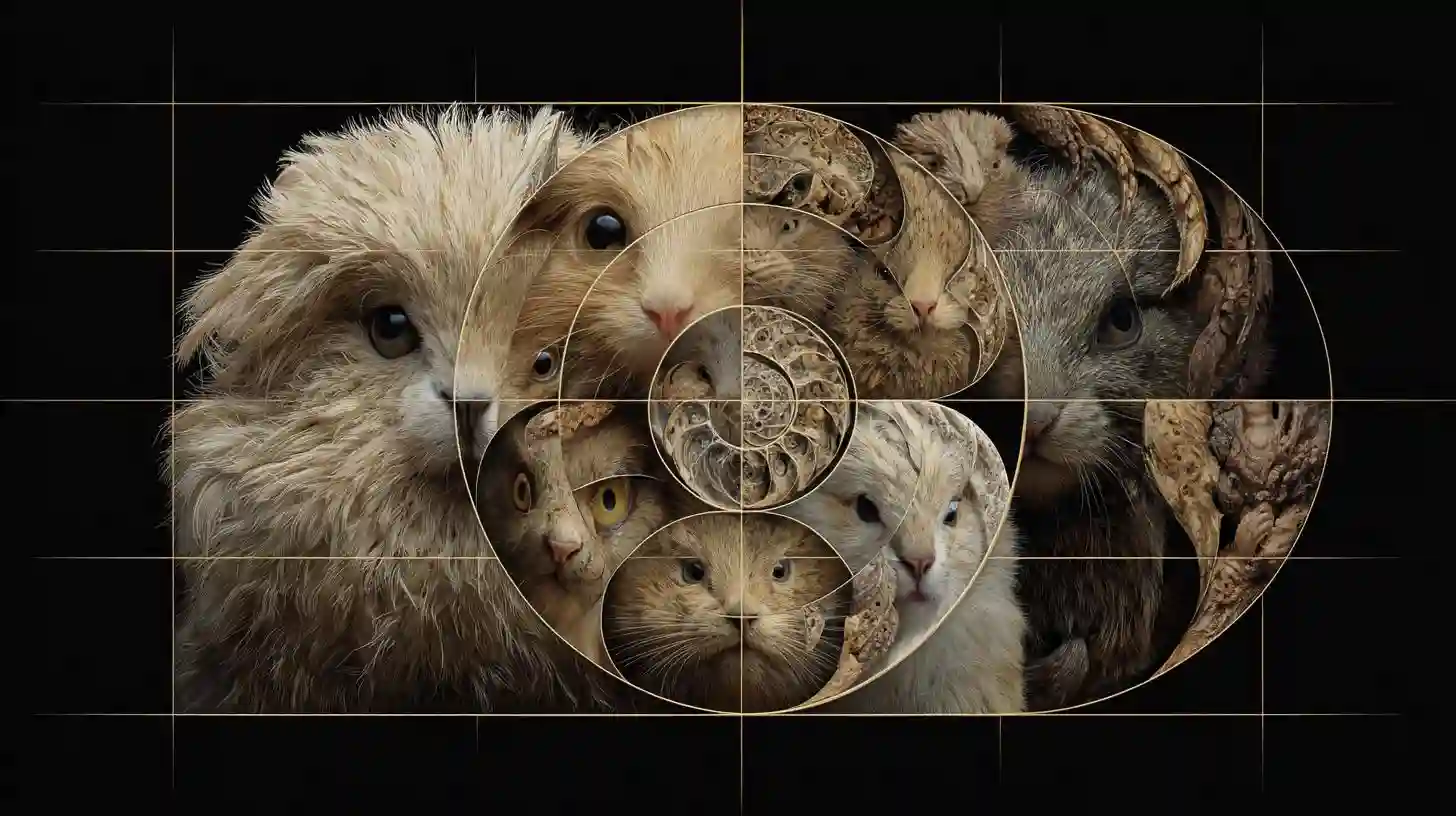
Genetic mutations are often seen as disruptions in the normal process of DNA replication, but some of these mutations lead to striking and unique characteristics in animals. These mutations can cause changes in physical appearance, behavior, and even the ability to survive in specific environments. One of the most fascinating aspects of genetic mutations is how they contribute to the wide diversity of traits that make animals so interesting and sometimes even more adapted to their surroundings.
In some cases, a single mutation can alter the structure of an animal's body in ways that provide a distinct advantage. For example, the appearance of albino animals is caused by mutations in genes responsible for pigment production. This lack of pigment can result in a completely white or pale animal, which may stand out in its natural habitat, making it more vulnerable to predators. However, this same mutation may prove beneficial in captivity, where the absence of pigmentation can be considered rare or visually striking, making them more attractive to certain industries, such as the pet trade.
Another example is the development of unusual body shapes or sizes that come from genetic mutations. Some animals, such as certain breeds of dogs, have unique features like elongated bodies or distinct facial structures, all due to inherited genetic changes. These physical characteristics may have originally arisen as mutations, but over time, selective breeding has amplified and preserved these traits because they are considered desirable.
Even more intriguing are the mutations that impact an animal's behavior. Some species exhibit atypical social behaviors or hunting strategies that stem from genetic changes. A mutation in the neural pathways can lead to enhanced problem-solving skills or a heightened sense of coordination, giving an animal an edge in its environment. In other cases, mutations can lead to the loss of instincts or the development of new ones that allow the animal to interact with its environment in unexpected ways.
Such genetic mutations are not always predictable, and many can occur in a random and spontaneous manner. While some mutations are harmful or lead to diseases, others have profound and lasting effects on how animals interact with the world around them. As science continues to explore the role of genetics in shaping animal characteristics, it becomes clearer that these mutations are essential to the evolution of life and the wide range of species that populate the Earth.