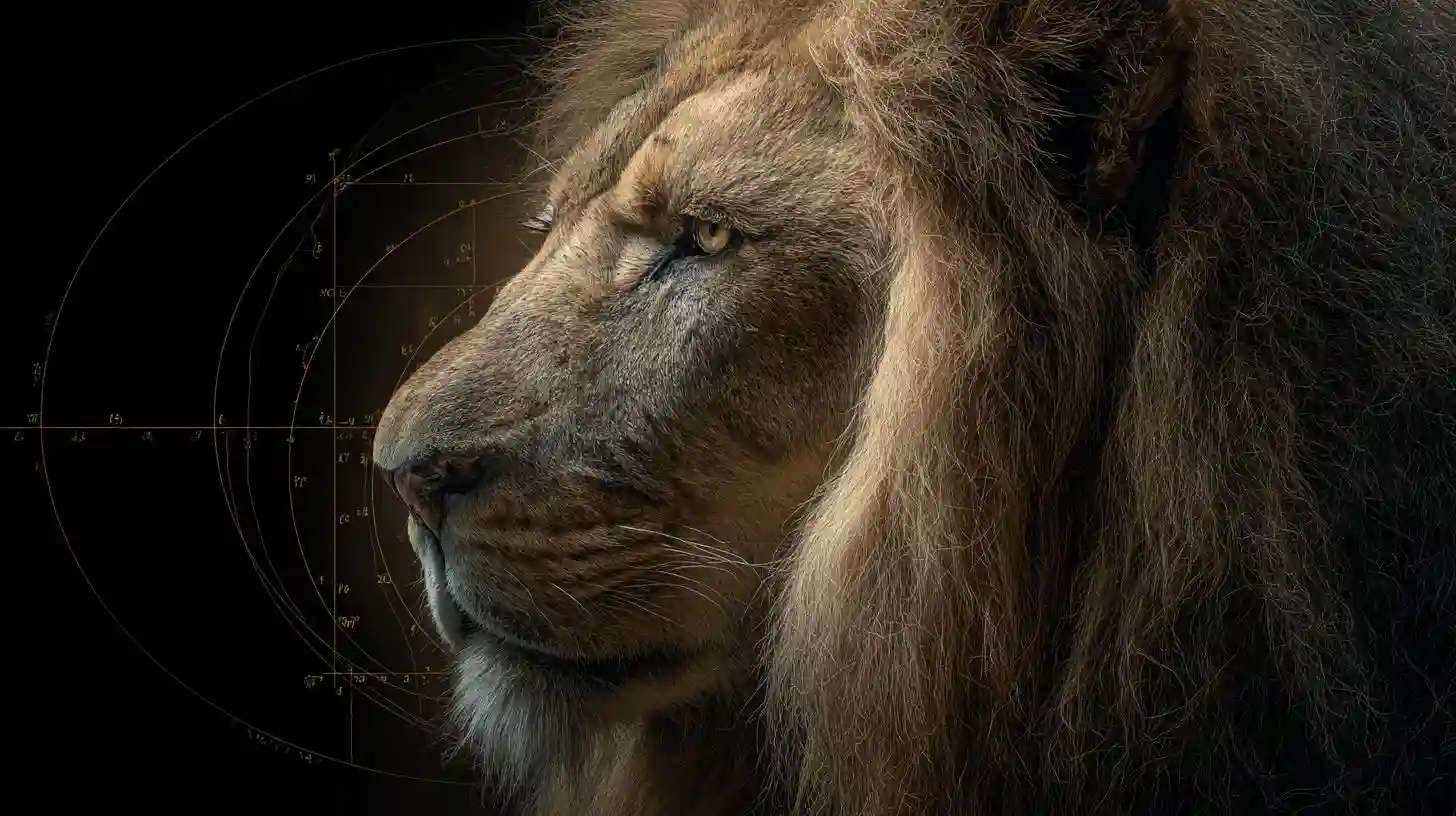
Lion behavior provides valuable insights into the evolutionary adaptations that shape the survival strategies of various species. Lions, as apex predators in their ecosystem, exhibit social structures and hunting strategies that have evolved to maximize their chances of survival in the wild. One of the most notable aspects of lion behavior is their social organization. Unlike other big cats, lions live in prides, with each pride having a complex social hierarchy. This structure offers advantages, such as cooperative hunting, protection from rival predators, and the ability to care for young more effectively. The cooperation within a pride, where females typically hunt together and males protect the group, illustrates an adaptation to both the dangers of their environment and the need for resource optimization. The division of labor among pride members is a clear indication of how evolution favors behaviors that enhance the survival and reproduction of the group. Female lions, for instance, have developed advanced hunting strategies that allow them to target larger prey, while male lions often engage in territorial defense, using their strength to ward off intruders. This division of roles reduces competition within the pride and maximizes the group's overall success in acquiring food. The social structure of lions also emphasizes the importance of genetic diversity and the role of cooperation in evolutionary success. When it comes to reproduction, lionesses typically mate with multiple males, ensuring genetic variation within the pride. Males, on the other hand, often form coalitions with other males to increase their chances of taking over a pride. These coalition behaviors suggest that alliances between individuals have evolved as a means of increasing reproductive success, a behavior seen in many other species as well. Furthermore, the fierce competition between lion prides and their interactions with other species highlight the constant struggle for resources that shapes evolutionary adaptations. The lion's ability to maintain dominance in a harsh environment is not only a product of its physical strength but also of its social and cooperative behaviors.