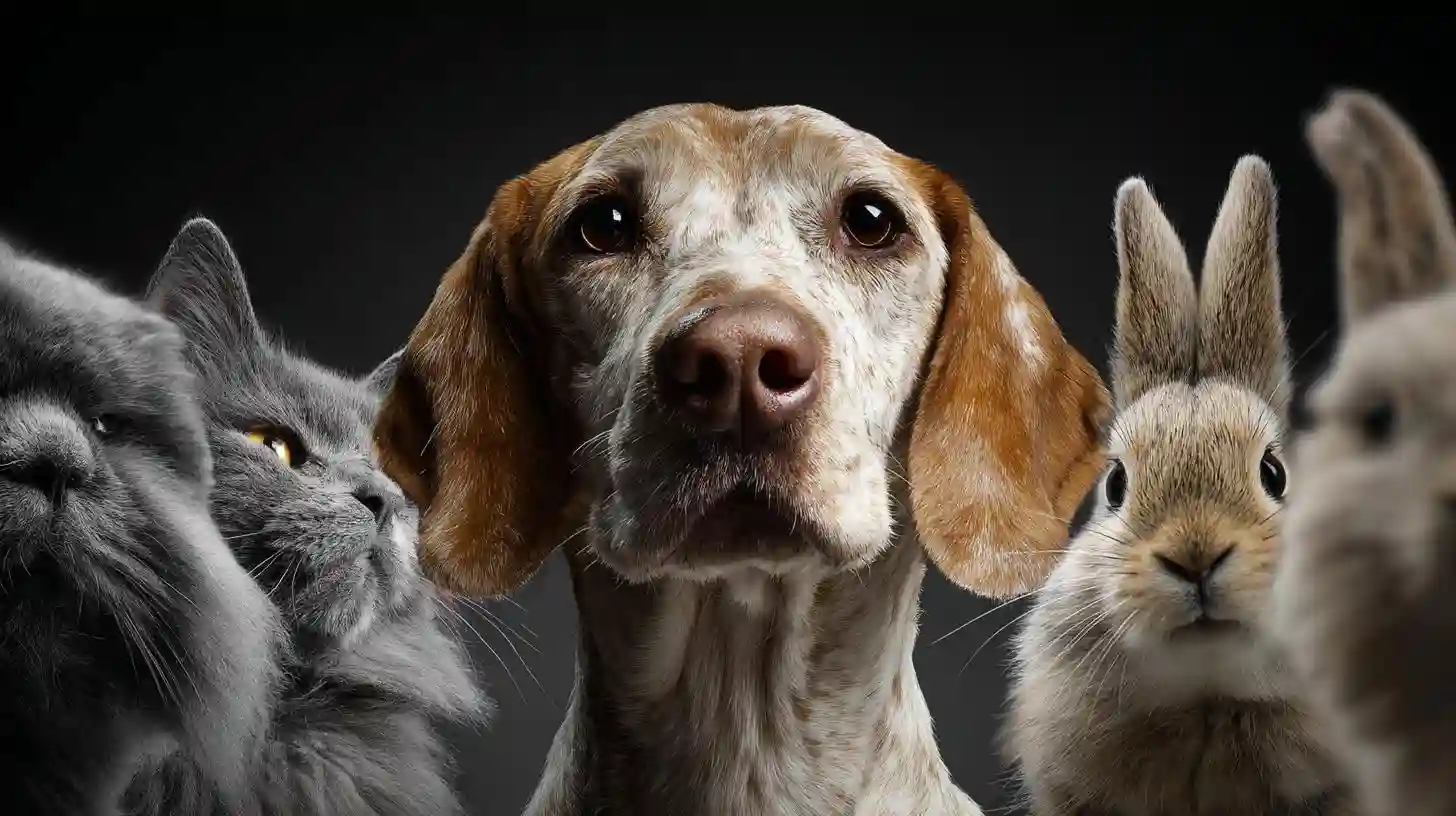
Pets have long been a source of companionship and comfort for humans. However, not all animals enjoy the same level of affection or attention. The popularity of certain pets can be attributed to a combination of biological, psychological, and cultural factors. Humans are naturally inclined to bond with animals that exhibit characteristics they can relate to, such as playfulness, affection, or the need for care. This is one reason why animals like dogs and cats remain among the most popular pets worldwide.
From a biological perspective, humans are wired to respond positively to certain features in animals. For example, the "baby schema" is a concept in which features like large eyes, small size, and round faces trigger a nurturing instinct. This is why animals with these traits, like puppies and kittens, tend to be perceived as cuter and more desirable as pets. These animals evoke feelings of warmth and care, making it easier for humans to form a bond with them. Furthermore, many pets, particularly dogs, offer behaviors that align with human social needs. Dogs can show loyalty, playfulness, and affection, all traits that humans value in their relationships.
Psychologically, pets fulfill various emotional needs. They provide companionship, reduce stress, and offer a sense of purpose. Studies have shown that interacting with animals can lower levels of cortisol, a stress hormone, while increasing levels of oxytocin, often referred to as the "love hormone." The emotional benefits of pet ownership are especially evident in individuals experiencing loneliness or anxiety. Pets can provide unconditional love and serve as a source of stability in a chaotic world.
Culturally, the popularity of certain pets is influenced by social norms and media. Popular culture often portrays specific animals as ideal companions, further enhancing their desirability. Dogs, for example, are often shown as loyal and protective figures in movies and TV shows, reinforcing their image as the perfect family pet. Cats, on the other hand, are often depicted as independent yet affectionate creatures, making them an ideal pet for people with busier lifestyles.
Ultimately, the science behind pet popularity lies in a mix of evolutionary instincts, emotional fulfillment, and cultural influences. People are naturally drawn to animals that provide emotional comfort, companionship, and even a sense of identity. This connection between humans and animals, deeply rooted in biology and psychology, is one of the main reasons certain pets have captured our hearts for centuries.