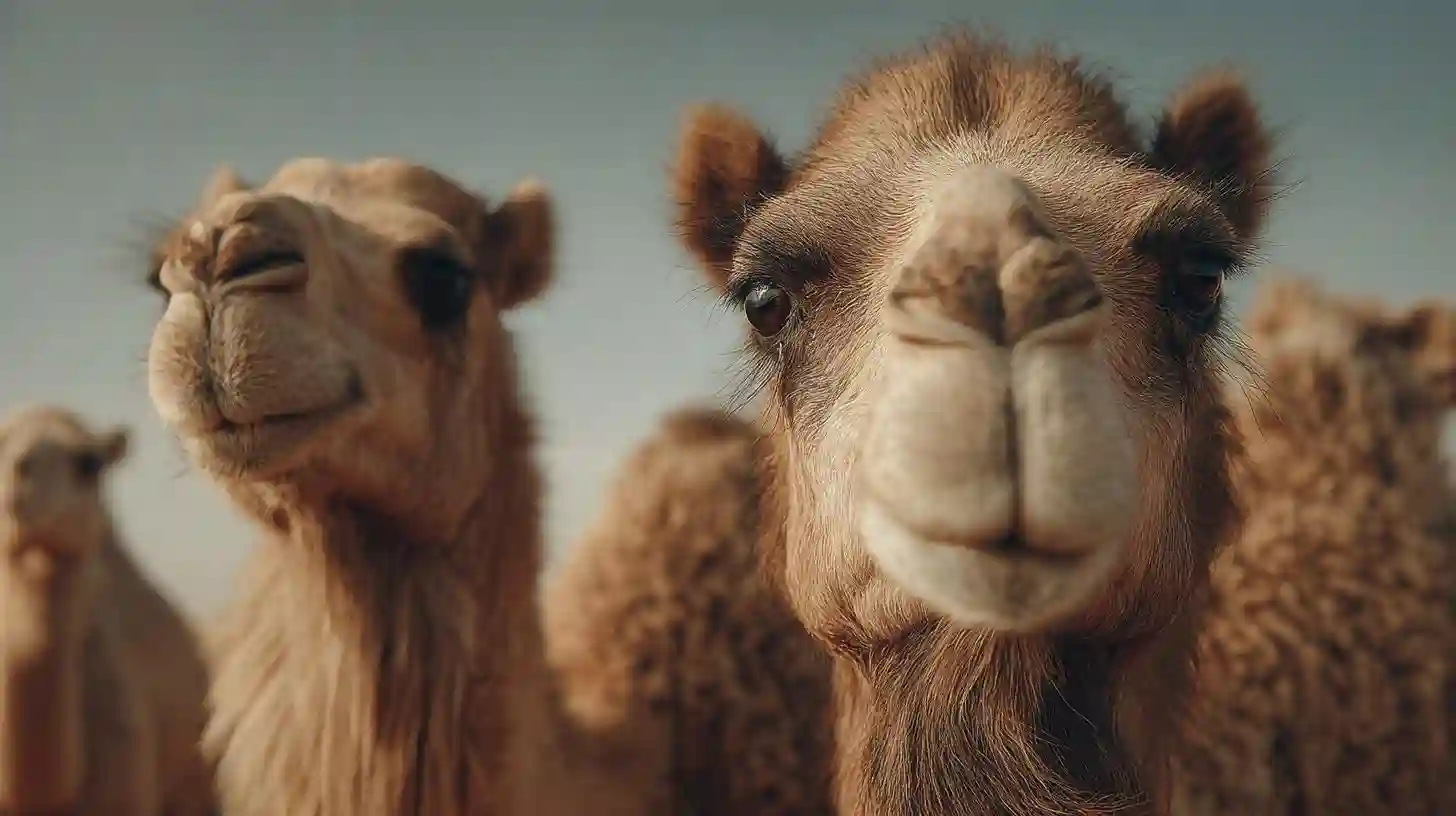
Animal communication has long been a subject of fascination, particularly the diverse and intricate ways in which different species convey messages. Camels, often referred to as the "ships of the desert," offer a remarkable example of this communication. These animals, which are well adapted to harsh desert environments, rely on a combination of vocalizations, body language, and scent to interact with each other and convey various social signals. One of the most common vocalizations is the grunt, which camels use in a variety of contexts, such as during mating rituals or when establishing dominance within a group. These sounds serve as a means of asserting authority or expressing distress. Camels are also known to hum, a softer sound that can indicate contentment or a form of bonding, particularly in younger camels or between a mother and her offspring. Their vocalizations can change depending on the emotional state of the animal, highlighting their ability to communicate a range of emotions. Body language plays a crucial role in camel communication as well. They use their posture and movements to express social status and intentions. For instance, when a camel raises its head and arches its neck, it is often a display of dominance or aggression. Conversely, when a camel lowers its head or tucks it close to its body, it signals submission or vulnerability. The tail is another important part of their body language. A raised tail can indicate excitement or alertness, while a drooping tail suggests relaxation or submission. Scent is also a vital tool for camels, particularly during the mating season. Males often release strong-smelling secretions from their glands, which help signal their readiness to mate and attract females. These scent markings, combined with vocal and visual cues, allow camels to navigate their social structures effectively, ensuring communication is both precise and complex in a way that facilitates social cohesion and reproductive success.