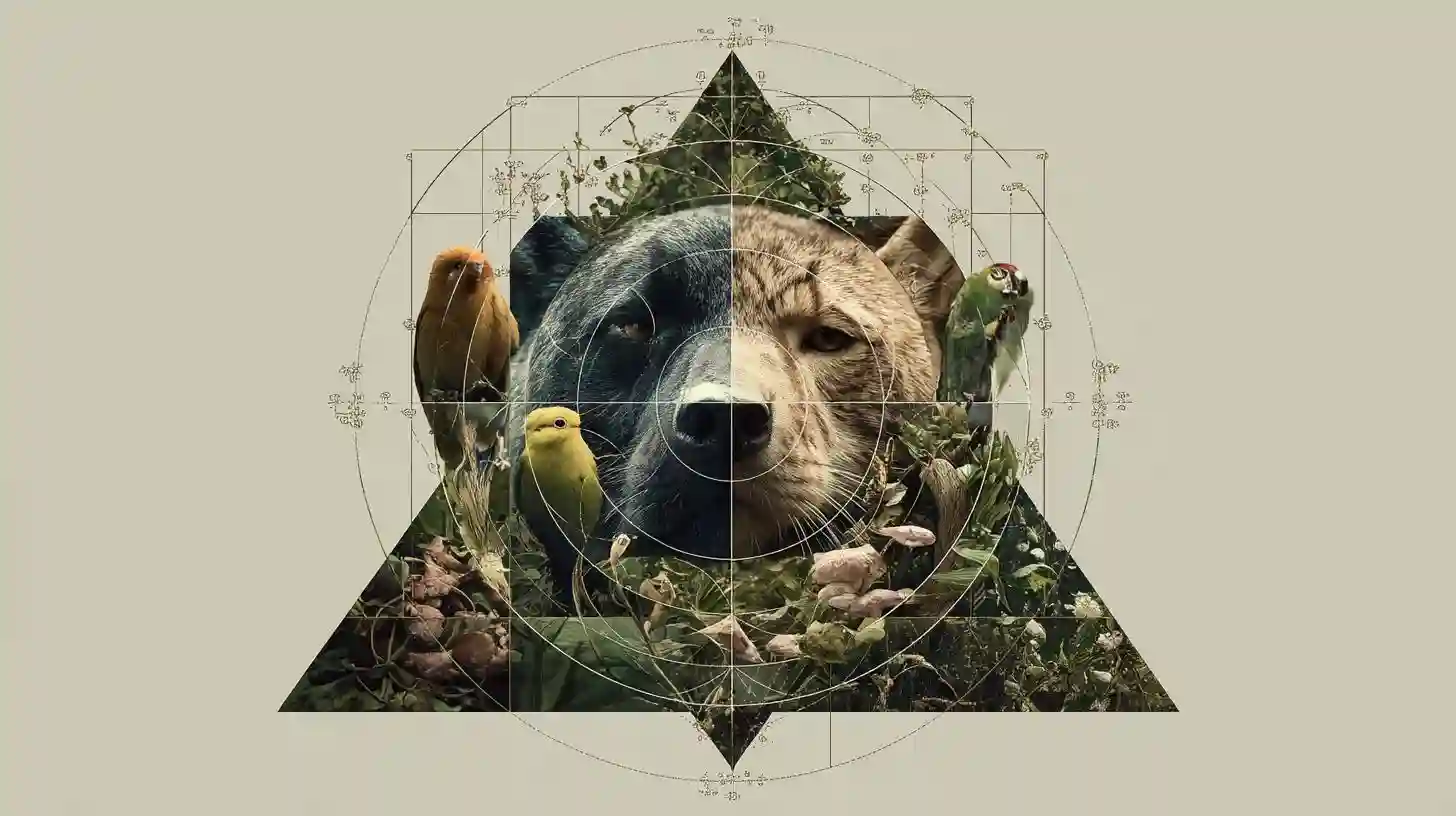
Behavioral science plays a pivotal role in improving animal welfare by offering insights into animal behavior, cognition, and emotions. Understanding how animals think, feel, and react helps researchers, veterinarians, and caretakers to create environments and practices that better meet the needs of animals in various settings. Behavioral science bridges the gap between scientific knowledge and practical care, influencing everything from animal husbandry to conservation efforts and zoo management. It is particularly useful in interpreting how animals respond to their surroundings and interact with humans, allowing for the design of spaces that reduce stress and promote well-being.
One of the key aspects of behavioral science in animal welfare is the study of stress and its effects on animals. Animals experience stress in many forms, such as from poor living conditions, overcrowding, or inadequate socialization. Behavioral scientists observe and analyze these stressors, helping to identify how they impact health, growth, and reproduction. By understanding the root causes of stress, appropriate strategies can be implemented to minimize these triggers and improve overall health. This could involve enriching the environment with appropriate stimuli, changing social structures, or adjusting feeding practices to promote mental stimulation and physical activity.
Furthermore, behavioral science contributes to enhancing the human-animal relationship. Animals, particularly those in domestic environments, often interact with humans on a daily basis. Positive interactions, such as training and gentle handling, can improve the animals' trust and reduce aggression. Training techniques based on positive reinforcement, for example, allow animals to learn desired behaviors in a stress-free and supportive manner. This not only improves the quality of life for the animals but also strengthens the bond between them and their human caretakers.
In wildlife conservation, behavioral science is instrumental in understanding the behaviors of endangered species and improving their chances of survival. Observing how animals interact with their environment, find food, and reproduce can inform conservation efforts, ensuring that animals are provided with habitats that support natural behaviors. Similarly, when animals are relocated for conservation purposes, behavioral research helps assess their likelihood of adapting to new environments and integrating into different social groups, which is crucial for the success of reintroduction programs.
Additionally, behavioral science helps ensure that animals in research environments are treated humanely. Ethical considerations are increasingly integral to scientific research, and behavioral science provides essential tools to ensure that animals are not subjected to unnecessary harm. By observing and understanding animal reactions to different conditions, researchers can create more humane and ethical protocols for animal testing.
Behavioral science continues to be an essential field for advancing animal welfare, offering profound insights into how we can better understand and care for animals. Through its application, we can improve the living conditions of both domestic and wild animals, ensuring they lead healthier, happier lives.