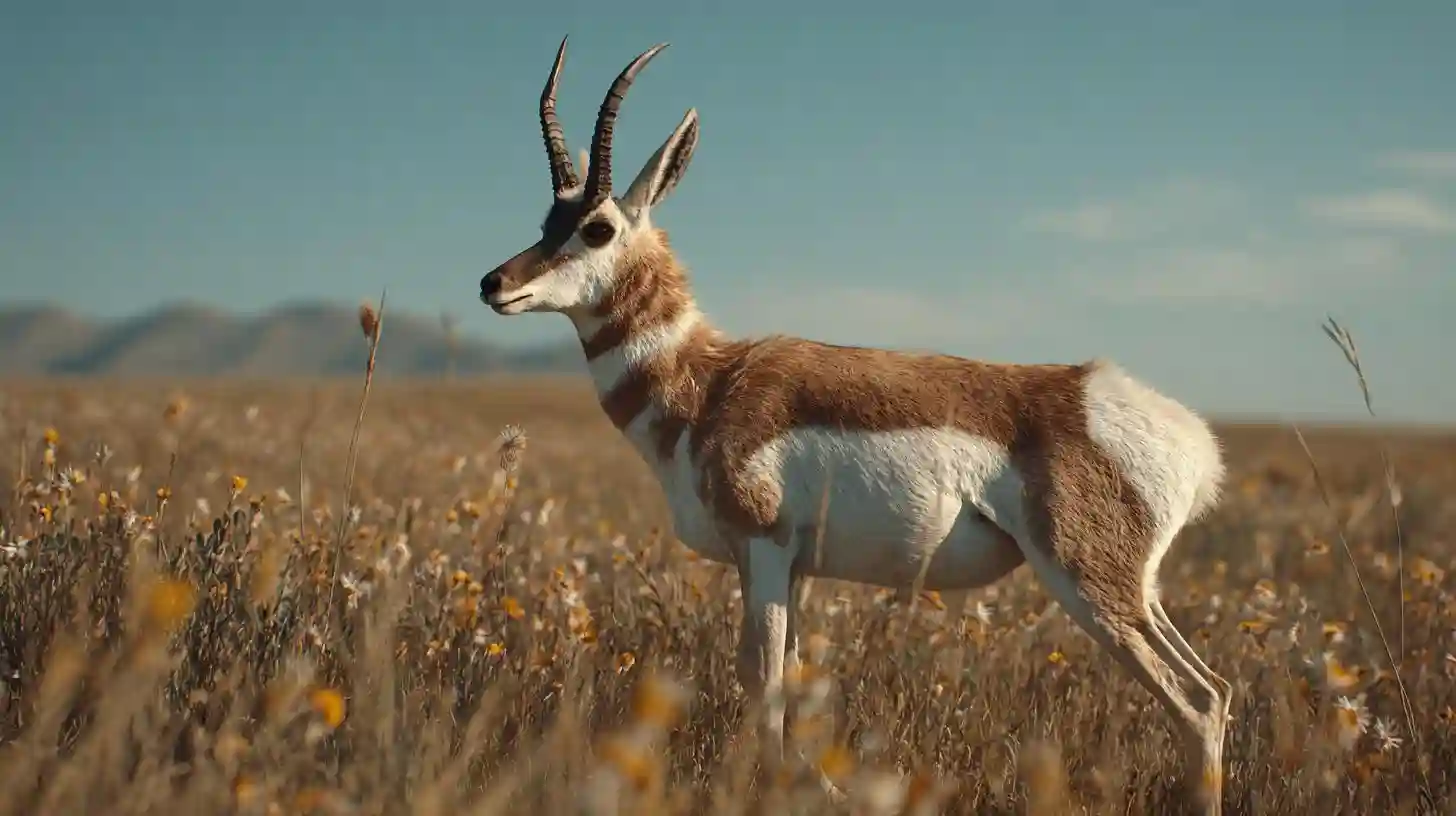
Antelopes are a diverse group of herbivorous mammals that play a crucial role in the ecosystems they inhabit. Their presence helps maintain the balance between vegetation and other herbivores, influencing plant growth patterns and supporting the food web. The loss of antelope habitats is primarily driven by human activities such as agricultural expansion, urban development, and infrastructure projects that fragment and degrade natural landscapes. As these habitats shrink, antelopes are forced into smaller areas, which reduces their access to food, water, and shelter, leading to increased stress and vulnerability to predators and diseases. Habitat loss also disrupts migration routes that many antelope species rely on to reach seasonal grazing grounds. This interruption can cause population declines and hinder genetic diversity, which is essential for adapting to changing environmental conditions and disease resistance.
The disappearance of antelopes has cascading effects on biodiversity. Many predators, including large carnivores, depend on antelopes as a primary food source. A decline in antelope populations forces these predators to either shift their diet to other prey or face starvation, which can destabilize predator-prey relationships. The absence of grazing pressure from antelopes allows certain plant species to grow unchecked, which may reduce the diversity of grasses and shrubs and alter the composition of the ecosystem. This imbalance affects smaller herbivores that rely on specific plants for sustenance, creating competition and reducing overall species richness. In addition, antelopes contribute to seed dispersal, and their decline limits the spread of plants that depend on them, affecting forest regeneration and the growth of grasslands.
Human-induced habitat loss also increases human-wildlife conflicts as antelopes enter farmland and settlements in search of food, leading to retaliatory actions by humans. Conservation efforts that protect natural habitats and restore degraded lands are essential to safeguard antelope populations and maintain the ecological roles they fulfill. Preserving these habitats not only supports the survival of antelopes but also sustains broader ecosystem health and resilience, ensuring that biodiversity remains intact across multiple levels of the food web.