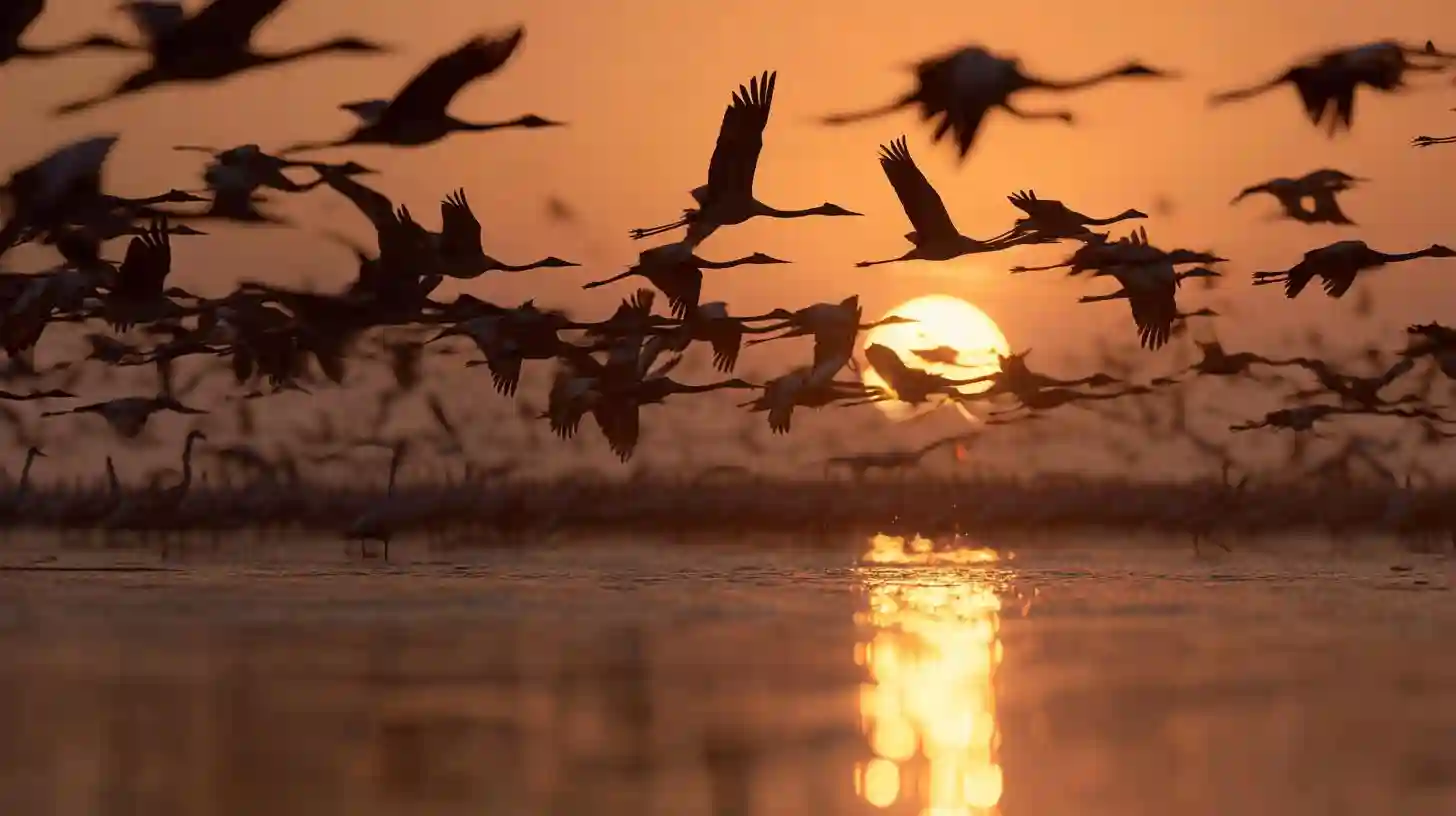
Climate change has been profoundly altering the natural rhythms that guide bird migration, causing shifts in timing, routes, and behaviors. As global temperatures rise, many bird species are experiencing earlier springs and delayed autumns, which disrupt the traditional cues they rely on for departure and arrival. These changes force birds to adjust their migratory schedules, often leading to mismatches between the timing of migration and the availability of critical resources such as food and nesting sites. The availability of insects, seeds, and other food sources is closely tied to seasonal patterns, and when these patterns shift unpredictably, migratory birds may struggle to find enough nourishment during crucial stages of their journey. Some species are extending their migratory range northward or to higher altitudes in search of suitable conditions, which exposes them to unfamiliar predators, competition, and environmental challenges. The physical demands of longer or altered routes also increase stress and energy expenditure, impacting survival and reproductive success. Changing weather patterns, including more frequent storms and extreme temperature fluctuations, create hazardous conditions during migration. Birds may encounter unexpected storms, strong winds, or unseasonal cold spells that disrupt their flight, delay arrival at breeding grounds, or even cause mortality during the journey. Climate-driven habitat loss along migratory routes further complicates movement, as wetlands, forests, and coastal areas undergo transformation due to rising temperatures and altered precipitation patterns. These environmental shifts influence not only the timing and direction of migration but also behaviors such as foraging, social interactions, and territoriality. Birds may adjust nesting behaviors, feeding strategies, and flocking patterns to cope with new environmental pressures, and these behavioral adaptations can ripple through ecosystems by affecting pollination, seed dispersal, and predator-prey dynamics. As climate change continues to reshape the landscapes that birds depend on, the interplay between migration and behavior will remain a critical area for understanding ecological resilience and the survival of numerous species.