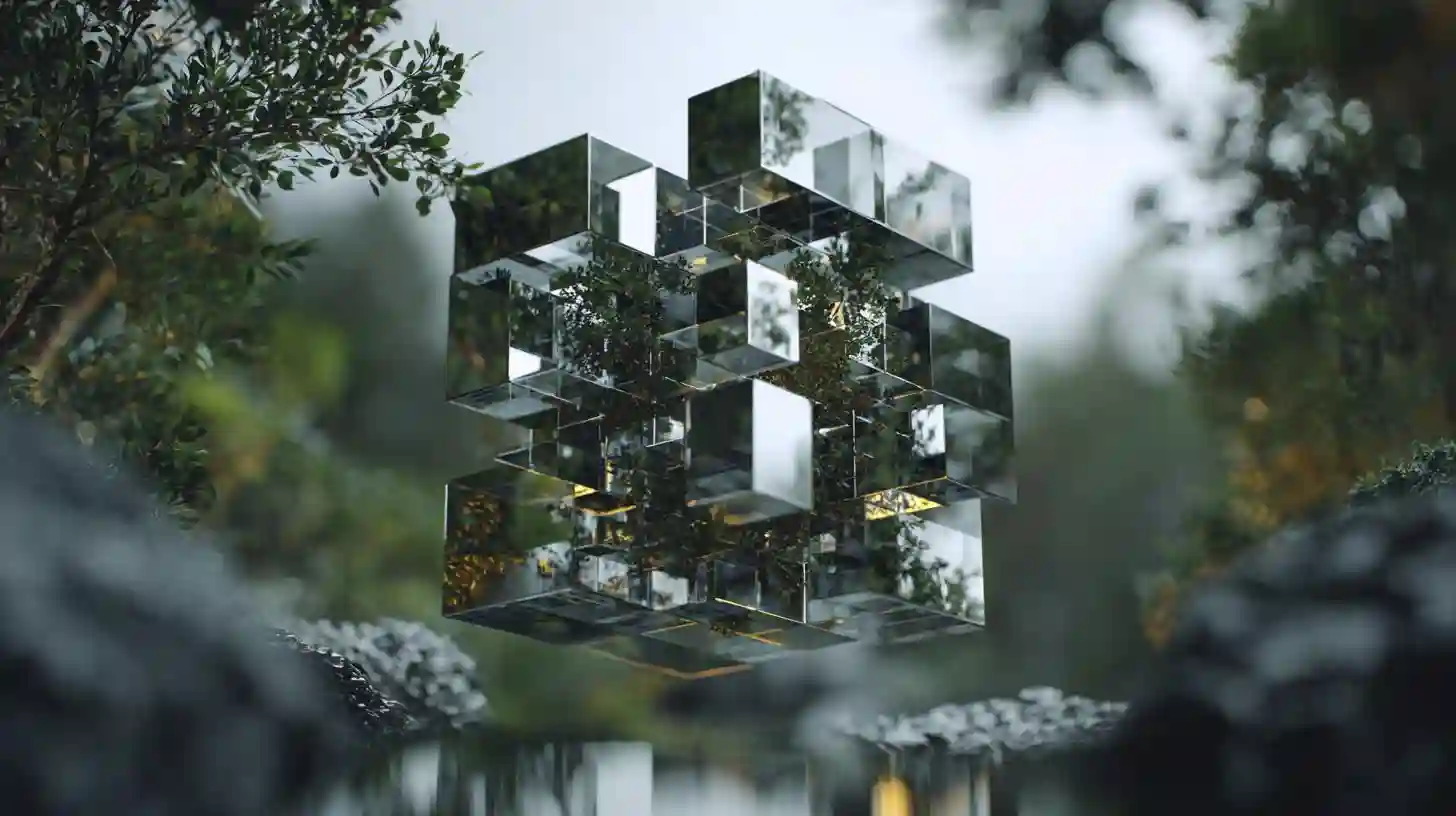
Art has long been a medium through which individuals express their thoughts, emotions, and perceptions of the world. As we engage with art, a common question arises: Can art be truly abstract, or does it inevitably reflect reality? While some argue that abstract art exists independently from the physical world, others contend that it is always a mirror of reality, even if only in a distorted or conceptual form. The nature of abstraction in art has always sparked debates about the connection between what is imagined and what is real.
One perspective is that abstract art is a departure from the physical world and offers a pure form of expression. In this view, abstract works do not aim to replicate any specific object or scene but instead evoke emotions, ideas, or sensations that are beyond the scope of direct representation. For example, an artist may use colors, shapes, and lines in a non-representational way to communicate an experience or feeling, not grounded in reality. This approach suggests that art can transcend the visible world and enter the realm of pure imagination.
However, even in its most abstract forms, art may still carry traces of reality. The use of color, composition, and texture can be rooted in the artist's perception of the world around them. Even if an artwork does not directly depict a landscape or a person, the choices the artist makes are often influenced by their surroundings, experiences, and internalized notions of reality. Abstract art might evoke memories, moods, or sensations that are connected to real-life experiences, even when the forms are not immediately recognizable.
Another argument is that all art, abstract or not, is inevitably influenced by the artist’s reality. Whether an artist is creating a figurative painting, an abstract sculpture, or a conceptual piece, their work is shaped by their environment, culture, and personal history. This suggests that even the most abstract art cannot escape the influence of the artist’s lived reality, no matter how far they stray from representational imagery.
The question of whether art can be truly abstract or whether it always reflects reality invites us to consider how art functions as a means of communication. Whether through abstraction or representation, art provides a way for individuals to express their inner truths, making it impossible to entirely separate art from the reality it originates from.