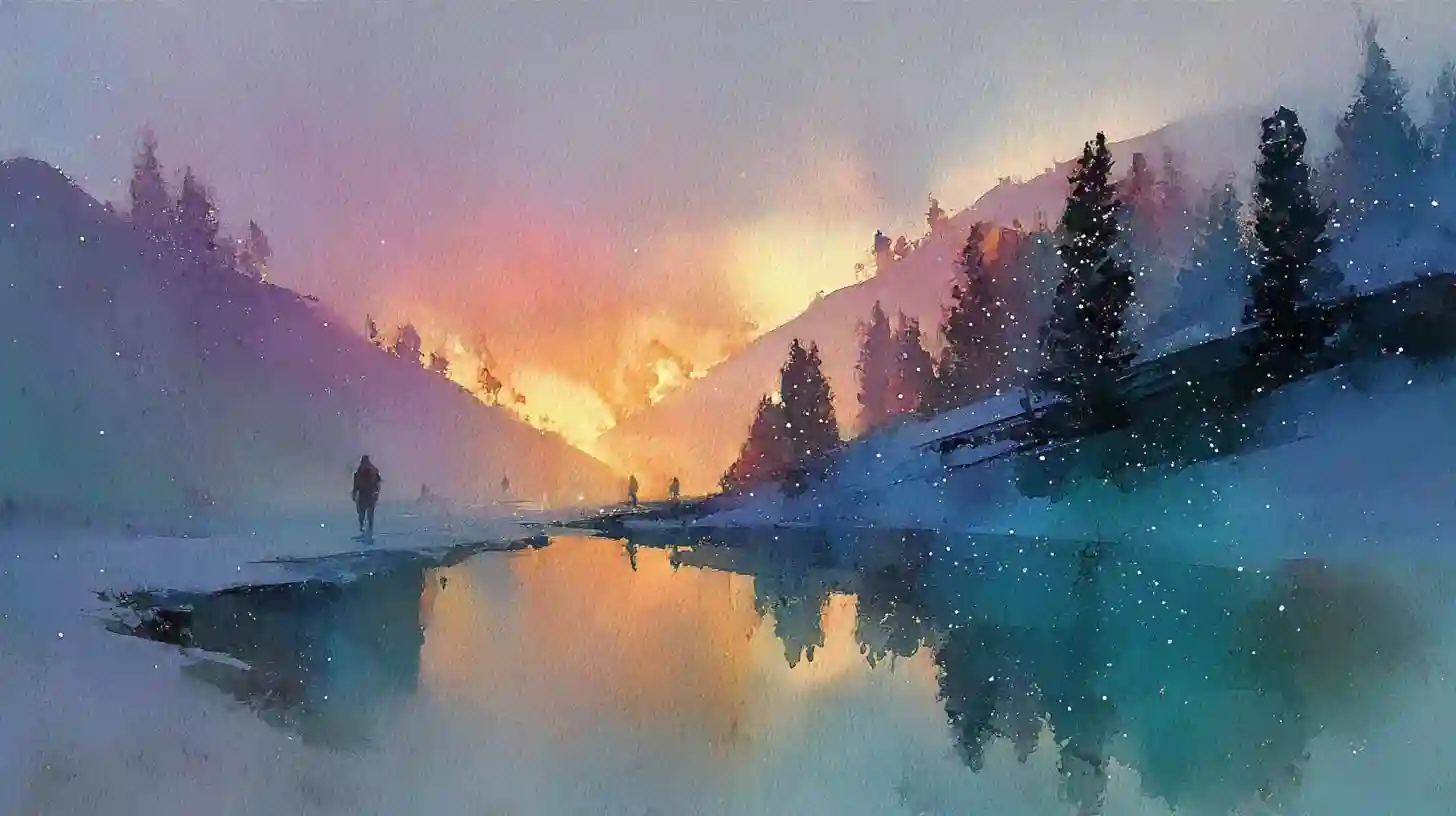
Creating stunning atmospheric effects in watercolor landscapes relies on the delicate balance of water, pigment, and technique. One of the key aspects to achieving this effect is understanding the interaction between wet paint and water. Start by using wet-on-wet techniques, where you apply wet paint onto a wet surface. This allows colors to spread and blend, creating soft, diffused edges that evoke mist, fog, or the softness of distant scenery. Control the amount of water you use to maintain fluidity, but be careful not to over-saturate the paper, as this can cause unwanted bleeding or muddied colors.
Another effective technique involves using gradients. When painting skies or atmospheric layers, build up your colors gradually, allowing the pigments to move and settle naturally on the paper. Light hues such as soft blues, pale pinks, or gentle purples can convey the feeling of early morning light or a sunset sky, while deeper tones may reflect a moody, overcast atmosphere. By controlling the flow of water, you can allow areas to remain light, while others deepen, giving the scene a more three-dimensional quality.
Adding texture through various brushstrokes can enhance the sense of depth and movement. For instance, light, quick brushstrokes can create the illusion of distant foliage or gentle waves on a lake, while heavier strokes in the foreground can suggest more detailed features like trees or rocky surfaces. Experimenting with dry brushing can also add subtle, textural effects to areas that need extra emphasis, such as the texture of clouds or the ruggedness of distant mountains.
Atmosphere in watercolor landscapes is also shaped by negative space. Leaving areas of the paper untouched by pigment can help create the illusion of light, allowing the viewer's eye to focus on the softer, more atmospheric parts of the painting. These untouched areas act as a contrast to the more detailed parts of the landscape, enhancing the sense of openness and airiness.
Lastly, layering colors allows for the gradual build-up of atmosphere. Begin with light washes and then add darker tones to create shadow and depth. By controlling the layers of color, you can mimic the natural fading of light or the movement of weather across the landscape. Combining all these techniques helps create a painting that feels alive with atmospheric effects, whether it’s the quiet stillness of a foggy morning or the vibrant energy of a stormy sky.