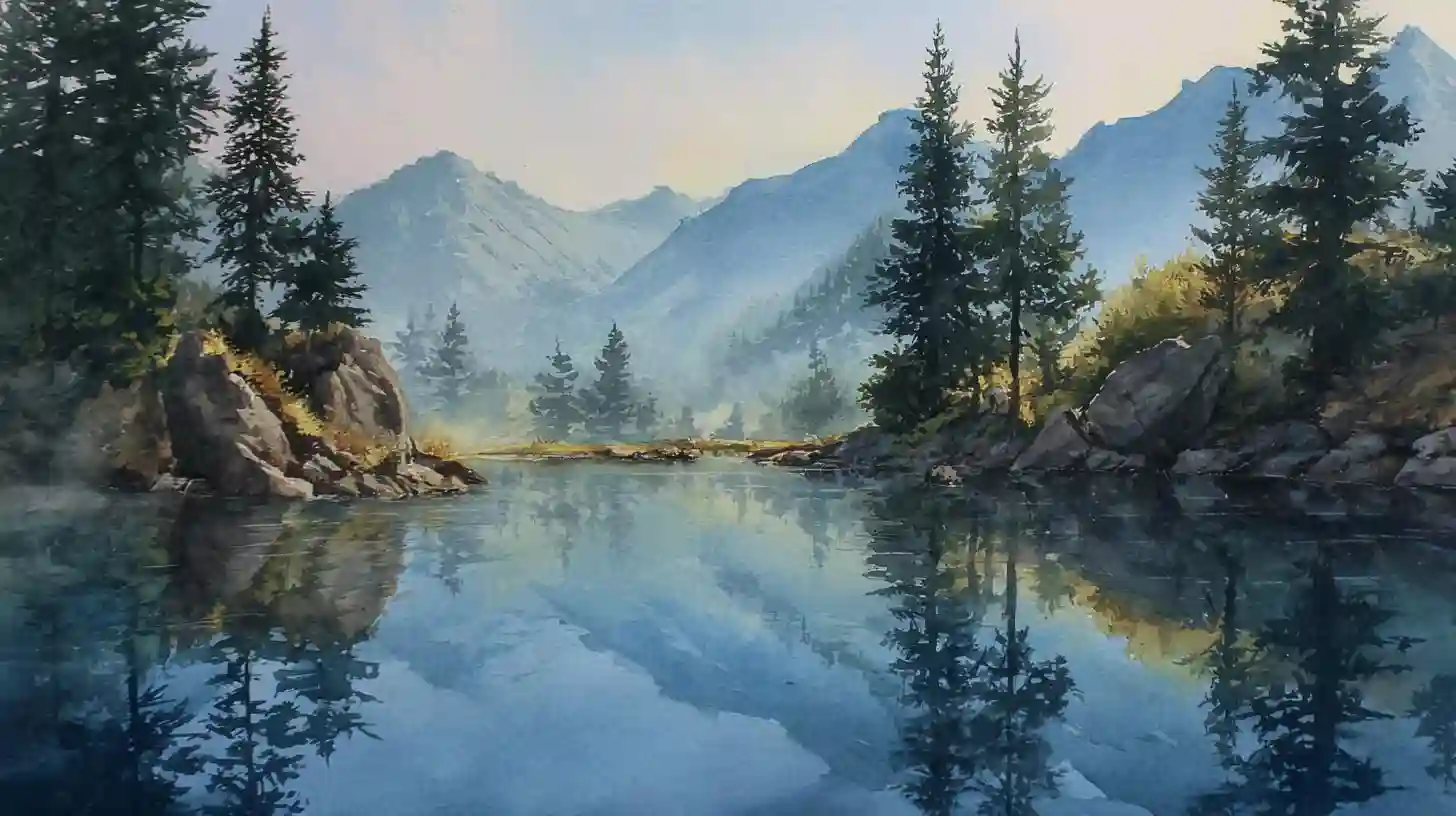
Watercolor landscape painting can be both a relaxing and rewarding experience, but beginners often face certain challenges that can hinder their progress. One common mistake is not understanding the importance of water-to-paint ratio. Many new painters either use too much water or not enough, leading to unpredictable results. Too much water can cause colors to run uncontrollably, while too little water may result in a dry, streaky appearance. Achieving the right balance takes practice and an understanding of how watercolor behaves on paper.
Another common error is failing to plan ahead. It’s easy to dive straight into painting, but without a clear vision or sketch, beginners often find themselves lost midway through the process. Planning your composition, deciding on focal points, and considering the flow of the scene can save a lot of time and frustration. Using light pencil sketches can help lay out the foundation and guide the process, ensuring that important elements of the landscape are in place before adding layers of paint.
A third mistake is not embracing the transparency of watercolors. Unlike acrylics or oils, watercolors are best when allowed to show the paper beneath, creating a luminous and airy effect. Beginners might overuse paint, covering up the natural texture of the paper, which can make the final piece feel heavy and flat. The key is to work in layers, allowing the earlier washes to show through and building depth with subtle transitions in color.
Overworking a painting is another trap that beginners often fall into. Watercolors dry quickly, and it can be tempting to keep adjusting and adding details, but this can lead to muddy colors and loss of freshness. It's important to know when to step back and let the painting breathe. Sometimes, less is more, and a few well-placed strokes can create more impact than excessive detail.
Finally, not experimenting with different techniques can limit creativity. Watercolor offers a variety of techniques, such as wet-on-wet, wet-on-dry, lifting, and glazing. Beginners may be reluctant to experiment with these methods, sticking to simple washes instead. However, exploring different approaches can add texture, depth, and excitement to a landscape, making the painting more dynamic and expressive. Embracing the fluid nature of watercolor will help develop a unique personal style while avoiding common pitfalls.