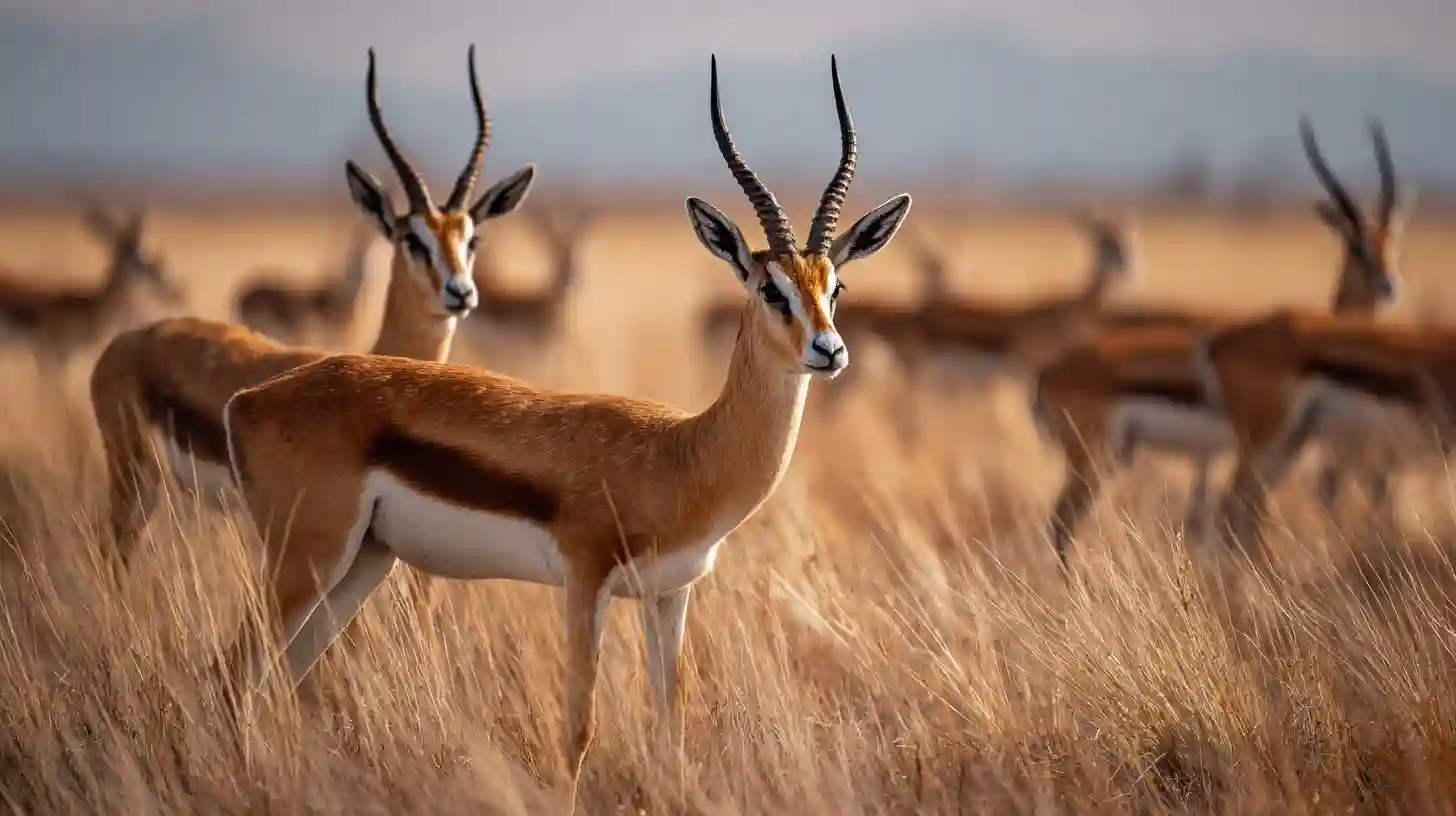
Climate change is increasingly affecting wildlife across the globe, and gazelle populations in Africa are no exception. Rising temperatures, altered rainfall patterns, and changing ecosystems are all contributing factors that influence the survival and distribution of these graceful herbivores. As temperatures continue to climb, many regions in Africa experience prolonged droughts, which put immense pressure on gazelles. These animals rely on the availability of grasslands and shrubs for food, and when these resources are scarce due to drought conditions, their ability to sustain themselves diminishes. Moreover, altered rainfall patterns lead to shifts in the natural habitats of gazelles, which can result in the fragmentation of suitable environments for grazing.
In addition to the physical effects on their habitat, climate change is also exacerbating the spread of diseases that affect gazelle populations. Warmer temperatures create more favorable conditions for parasites and pathogens that can harm these animals. For example, diseases like trypanosomiasis, which affects many African ungulates, can become more widespread as changing climate conditions affect the habitats of both the hosts and the vectors. This puts additional stress on gazelles, already struggling with limited food and water resources.
Another impact of climate change on gazelles is the increased frequency of extreme weather events such as floods and heatwaves. These events disrupt the delicate balance of ecosystems and create challenges for gazelles in terms of finding food, water, and shelter. Extreme temperatures, particularly during the hottest months, can lead to heat stress, making it harder for gazelles to regulate their body temperature and survive. These conditions not only threaten individual gazelles but also impact their reproductive rates, reducing the number of offspring that are born and survive to adulthood.
The combination of environmental stressors caused by climate change leads to shifts in gazelle distribution. As certain areas become inhospitable due to prolonged droughts or extreme temperatures, gazelle populations may be forced to migrate to new regions in search of more suitable conditions. This migration often results in increased competition with other species for limited resources, further complicating the survival of gazelles. Additionally, the fragmentation of their habitat can isolate populations, making it harder for them to interact and breed, which may lead to a decline in genetic diversity over time.
While gazelles are resilient creatures capable of adapting to a range of environments, the accelerated pace of climate change presents a serious challenge to their survival. The delicate balance between temperature, rainfall, and vegetation that gazelles depend on is being disrupted, making it harder for them to thrive in their traditional habitats. Without intervention to mitigate the impacts of climate change, the future of gazelle populations in Africa could be in jeopardy.