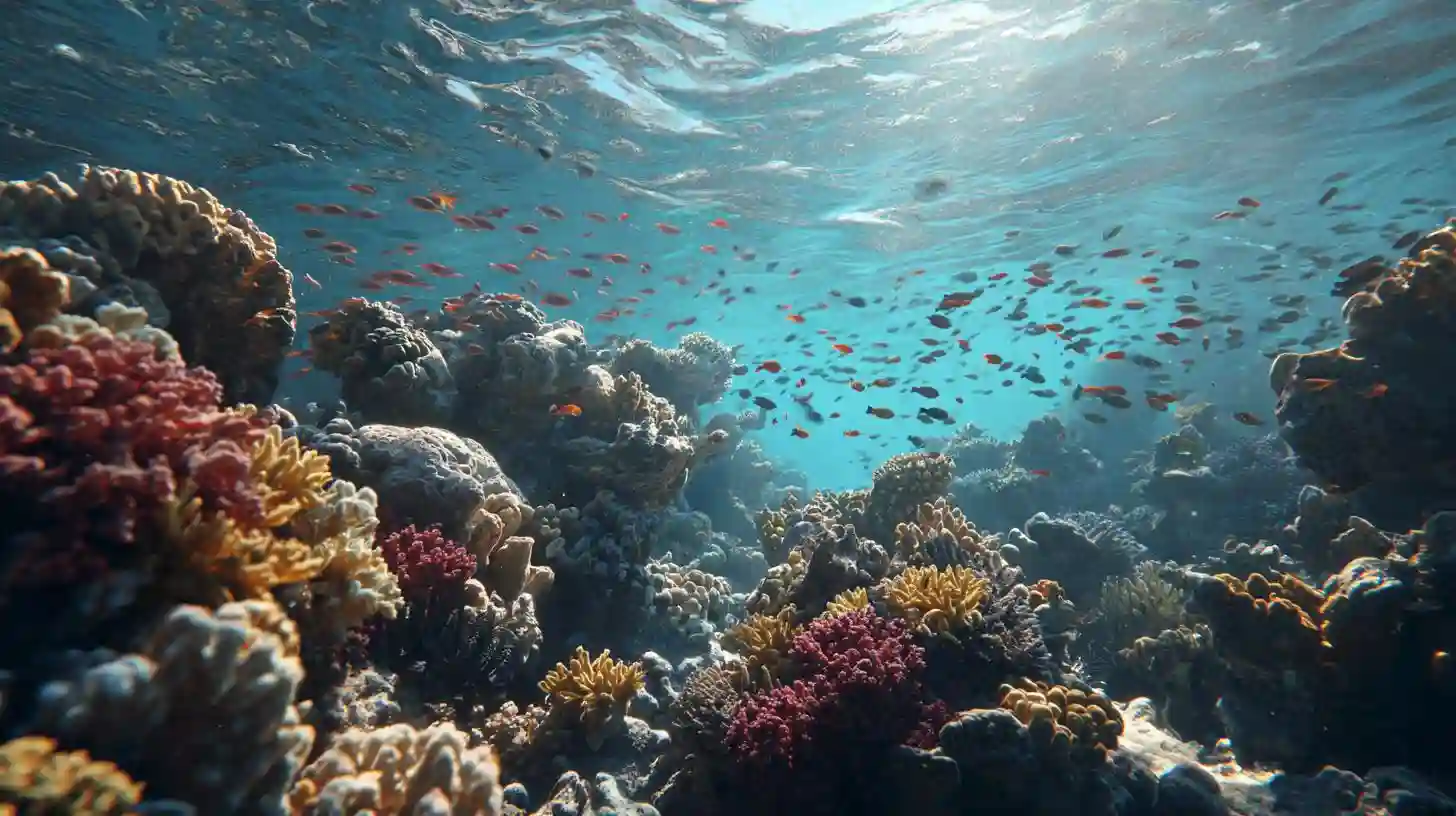
Climate change is having a profound effect on marine life, leading to shifts in the biodiversity of oceans around the world. As the planet warms, sea temperatures rise, impacting species that thrive in specific temperature ranges. Many marine organisms, such as coral reefs, fish, and invertebrates, rely on stable conditions to survive. However, with warmer oceans, these species are either forced to migrate to cooler waters or face the risk of extinction. Coral reefs, often referred to as the "rainforests of the sea," are particularly vulnerable. Increased sea temperatures cause coral bleaching, a phenomenon where corals expel the algae that live inside them, leading to the death of the coral and the loss of habitat for many marine species. This disruption has cascading effects on marine ecosystems, as the loss of coral reefs means that countless other organisms lose their shelter and food sources. Ocean acidification, another byproduct of climate change, is equally detrimental. As more carbon dioxide is absorbed by the oceans, the water becomes more acidic, affecting the ability of marine organisms like shellfish and plankton to form their shells and skeletons. The changes in ocean chemistry make it harder for these creatures to survive, which, in turn, impacts the entire food chain, as they are essential food sources for other marine animals. Additionally, rising sea levels are altering coastal habitats, threatening the breeding grounds of species like sea turtles and certain fish. This disruption is leading to shifts in migration patterns and breeding cycles, affecting the population dynamics of various marine species. The overall effect is a loss of biodiversity, with some species thriving in new environments, while others face dramatic declines. The shifting ecosystems not only affect marine life but also have far-reaching consequences for human populations that rely on oceans for food and economic activities. As climate change continues to alter the delicate balance of marine ecosystems, it underscores the urgent need for action to mitigate its effects and protect the rich diversity of life that inhabits the world's oceans.