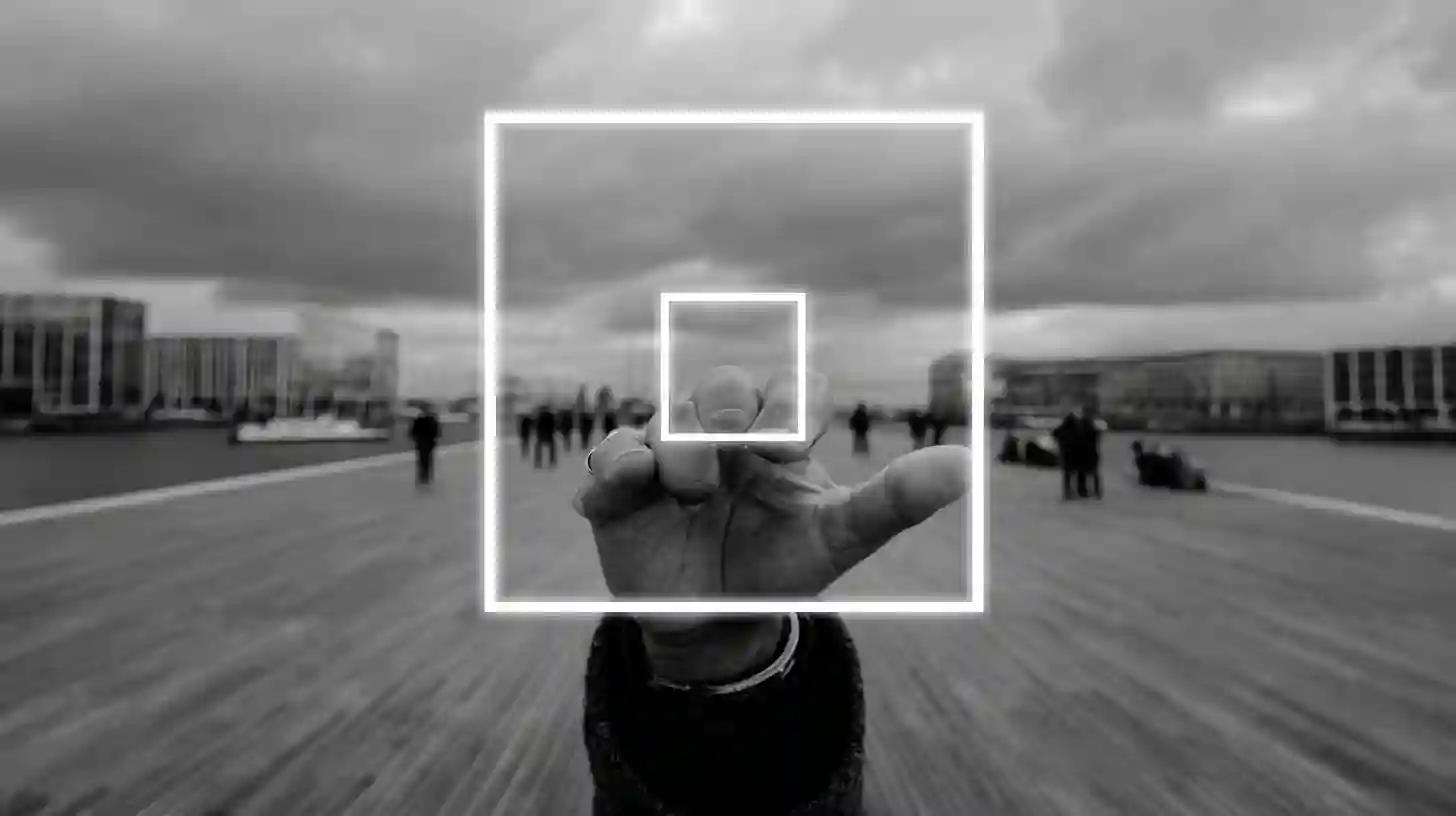
Black and white photography has had a profound and lasting influence on modern art, serving as both a technical tool and an artistic medium that challenges conventional visual narratives. The simplicity of black and white images allows for a focus on contrast, texture, and composition, eliminating the distraction of color to highlight the emotional depth and subtle details that might otherwise go unnoticed. In modern art, this style of photography became a method of expression that transcended mere documentation, evolving into a powerful form of artistic commentary. The reduction to black and white invites viewers to engage more deeply with the subject matter, encouraging an interpretation that is less about what is seen and more about how it is perceived.
This transformation began in the early days of photography when artists and photographers realized that black and white images could convey moods and emotions that were often absent in the world of color photography. The technique enabled a focus on light and shadow, allowing for a play of depth and form that colored images simply couldn't match. It was during this period that many iconic photographers, such as Ansel Adams and Dorothea Lange, explored the potential of black and white photography to capture powerful social and environmental narratives.
As modern art continued to evolve, black and white photography influenced the works of painters, sculptors, and conceptual artists who appreciated its capacity to strip away distractions and offer raw, stripped-back portrayals of the human experience. For many, black and white became synonymous with timelessness and universality, as it emphasized contrasts between light and dark, highlighting the tension and harmony found within visual elements. Moreover, its ability to capture the essence of a moment without the embellishment of color allowed artists to create more direct, honest representations of life, often infused with a sense of melancholy or introspection.
The influence of black and white photography also extended into the digital age, where its minimalist aesthetic continued to resonate with contemporary artists. With the rise of digital media and the ease of photo manipulation, artists began to experiment with the boundaries between the digital and the traditional, using black and white photography as a bridge between these two worlds. The crisp, high-contrast quality of black and white images allowed for a reimagining of space, light, and composition in ways that challenged the limitations of color photography.
Throughout the years, the impact of black and white photography on modern art has been undeniable. Its ability to evoke emotion, emphasize form, and provoke thought has solidified its place as a cornerstone of artistic expression. In modern times, it remains a medium that not only captures the visual world but also communicates deeper truths about the human condition and the world around us.