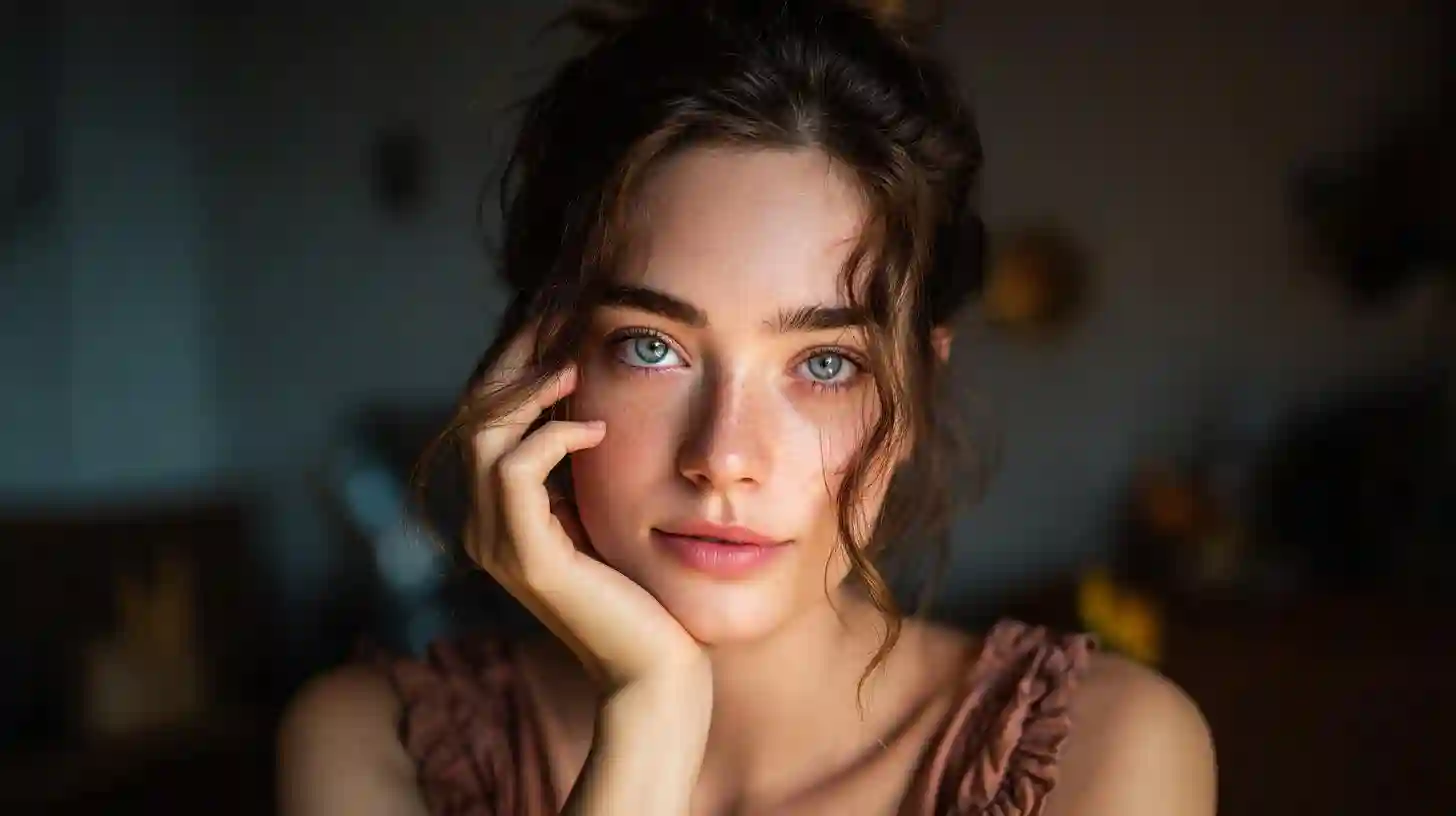
Portrait photography captures the essence of a person, focusing on their personality, emotions, and unique features. It involves more than just taking a picture; it’s about telling a story through facial expressions, body language, and the background. Lighting plays a crucial role in creating the right mood, whether it’s soft and flattering or dramatic and bold. A skilled portrait photographer often directs their subject to create a comfortable environment, allowing for natural expressions that make the photograph feel intimate and authentic. Background elements can either emphasize or contrast with the subject, adding layers of meaning to the composition. This style can be used for professional headshots, family photos, or even conceptual work, where the subject's expression conveys a deeper message.
Landscape photography, on the other hand, focuses on capturing the vastness and beauty of nature. The goal is to showcase the grand scale of the environment, whether it’s a mountain range, a tranquil beach, or a dense forest. In landscape photography, lighting is just as important as in portraiture, but the photographer must consider the time of day and atmospheric conditions. The golden hours, just before sunrise and after sunset, often provide the most striking colors and textures. A landscape photograph aims to evoke feelings of awe and wonder, inviting the viewer to imagine themselves in that space. The composition relies heavily on the natural elements, such as leading lines, foreground interest, and the overall harmony of the scene.
Macro photography zooms in on the tiny details that often go unnoticed by the naked eye. This style reveals the intricate patterns, textures, and forms found in nature, art, and even everyday objects. The level of detail captured in macro photography is astonishing, allowing photographers to focus on the delicate veins of a leaf, the structure of an insect’s wings, or the sparkle of dew on a spider's web. Macro photographers rely heavily on sharp focus, depth of field, and lighting to highlight the small details while minimizing distractions in the background. This type of photography often requires specialized equipment, like macro lenses, to achieve the extreme close-up shots. What makes macro photography fascinating is its ability to transform mundane objects into captivating works of art, showcasing a hidden world that is often invisible to the human eye.