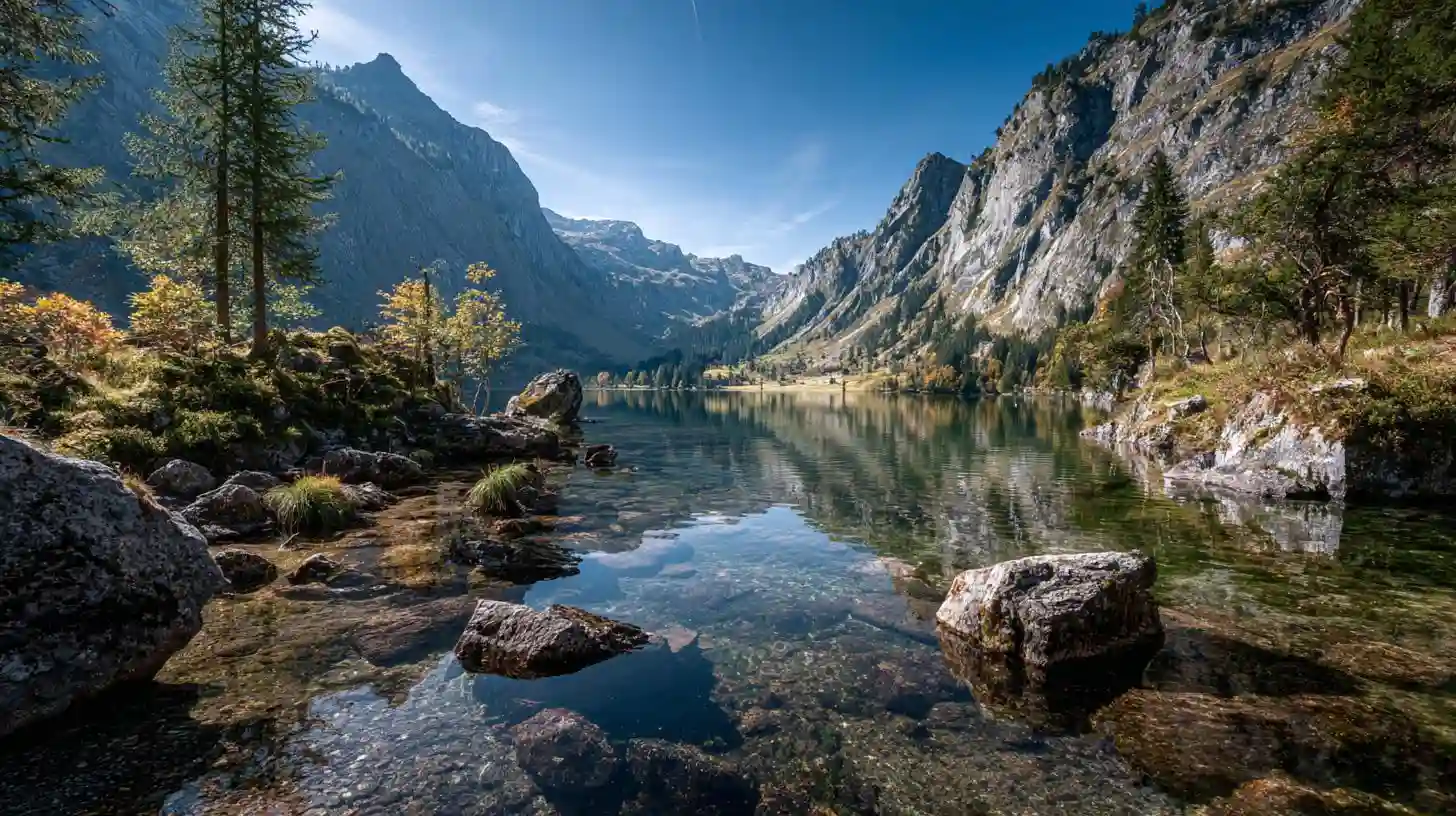
When it comes to capturing breathtaking landscapes, one of the key elements to consider is the lighting. Golden hour, which occurs just after sunrise or before sunset, provides a soft, warm light that enhances natural features and creates dramatic shadows. During this time, the landscape looks more vibrant, and colors appear more saturated. If you’re shooting midday, however, the light can be harsh, creating strong contrasts and shadows that might not be flattering for certain scenes. To avoid this, you can experiment with different angles and incorporate elements like clouds or fog to soften the light.
Another important aspect to think about is composition. One of the most effective techniques for landscape photography is the rule of thirds, which involves dividing the frame into a three-by-three grid. Placing the main elements of the landscape along these lines or at their intersections creates a more balanced and visually appealing shot. Leading lines can also guide the viewer’s eye through the scene, whether they are roads, rivers, or pathways. Incorporating a foreground element, such as a rock or a plant, can also add depth to your image, making it feel more three-dimensional and immersive.
The choice of lens can significantly impact the look of your landscape shots. A wide-angle lens captures expansive scenes, allowing you to include both the foreground and the distant background in sharp focus. On the other hand, a telephoto lens is perfect for isolating particular features of the landscape, such as a mountain peak or a distant tree. This can help emphasize specific details that might otherwise be lost in a wider shot.
Another technique to explore is long exposure photography, especially if you want to capture motion in your landscape, such as flowing water or drifting clouds. Using a tripod is essential for this, as even the slightest camera shake can ruin the image. A slower shutter speed smooths out movement, creating a serene and ethereal effect. ND filters can also help in bright conditions by reducing the amount of light entering the lens, enabling longer exposures without overexposing the image.
It’s also beneficial to scout locations at different times of the year. Each season offers its own unique beauty, whether it's the blooming flowers in spring, the lush greenery of summer, the colorful leaves in autumn, or the snow-covered landscapes in winter. Plan your shoot based on the atmosphere you wish to convey, and keep an eye on the weather forecast to predict how the conditions might change during your shoot. Dramatic skies, shifting clouds, or sudden storms can provide a sense of movement and intrigue to your landscape photos.
Finally, don’t forget the importance of patience. Landscape photography often requires waiting for the right moment. Whether it’s waiting for the light to change, for a cloud to move into position, or for wildlife to appear, the best shots often come when you allow yourself the time to observe and experience the scene fully.