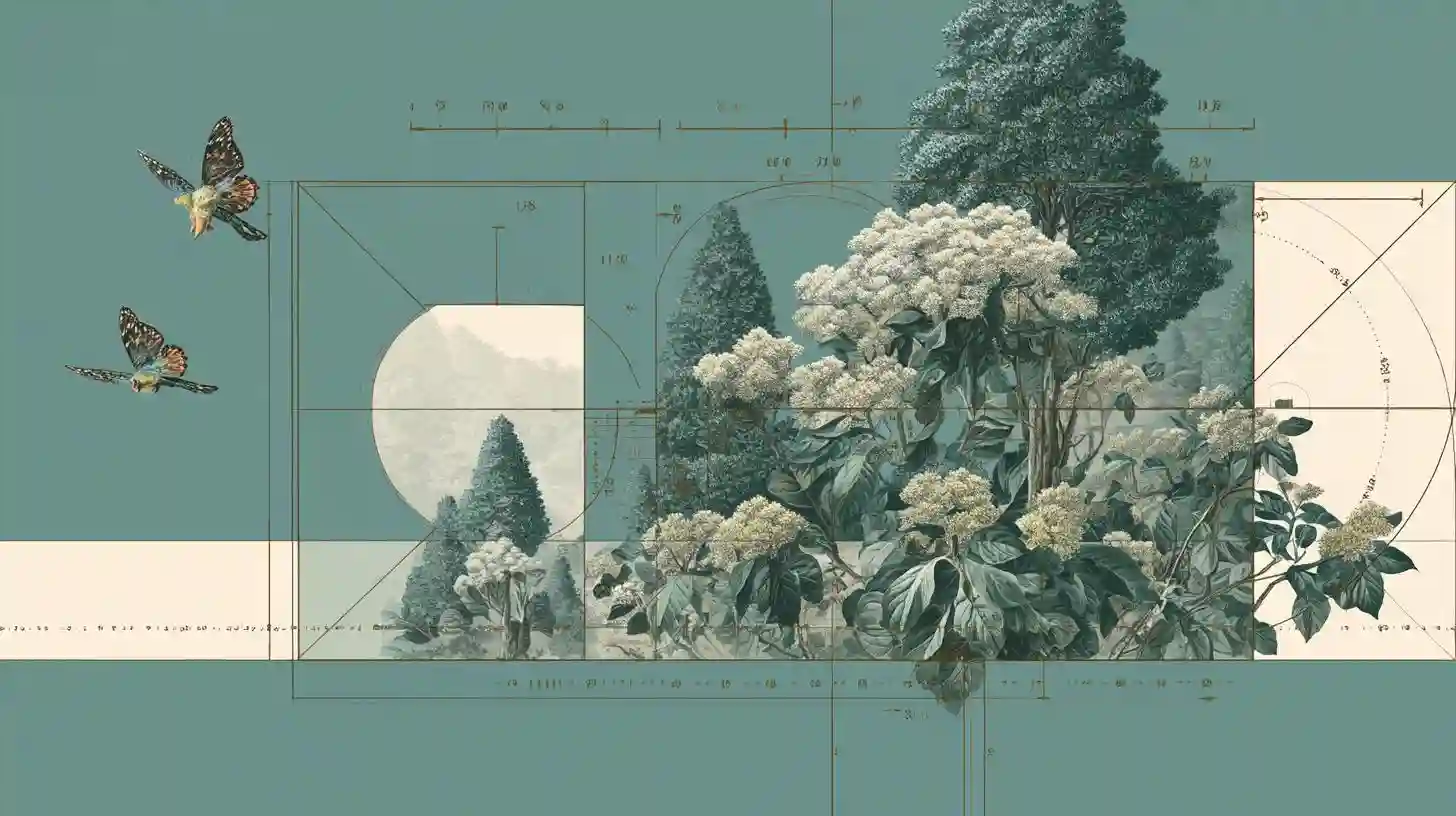
When beginning the process of planning and sketching a mural design, it’s important to first consider the space where the mural will be placed. Understanding the size, shape, and surroundings of the wall or surface is crucial in determining how the design will fit and flow within that environment. This involves taking accurate measurements and possibly marking the wall with guidelines to maintain proportions. The next step involves choosing the theme or concept for the mural. Whether it’s abstract, narrative, or landscape, the subject should resonate with the location and its purpose. For example, a mural in a school might incorporate educational elements, while one in a community center might reflect local culture. Once the concept is settled, the artist can begin brainstorming visual elements, such as colors, shapes, and figures. These elements should work cohesively to create a unified visual experience that complements the space. After having a clear vision, it's time to create a rough sketch. Start with light pencil marks on paper or directly on the wall, depending on the medium. The sketch should be loose and flexible, allowing room for adjustments as the design develops. This step often includes experimenting with different compositions, arrangements, and perspectives to see what works best for the scale of the wall. Once satisfied with the basic layout, refine the sketch by adding details, textures, and shading. This refined version can then be transferred to the wall. Some artists use grids or projectors to help scale up the design accurately. Finally, testing the color palette and visual elements on a smaller scale is key before applying them to the final mural. This allows the artist to adjust any colors or features that may not translate as well in larger form. The mural’s creation is a combination of thoughtful planning, creativity, and flexibility, leading to a dynamic artwork that enhances the space.