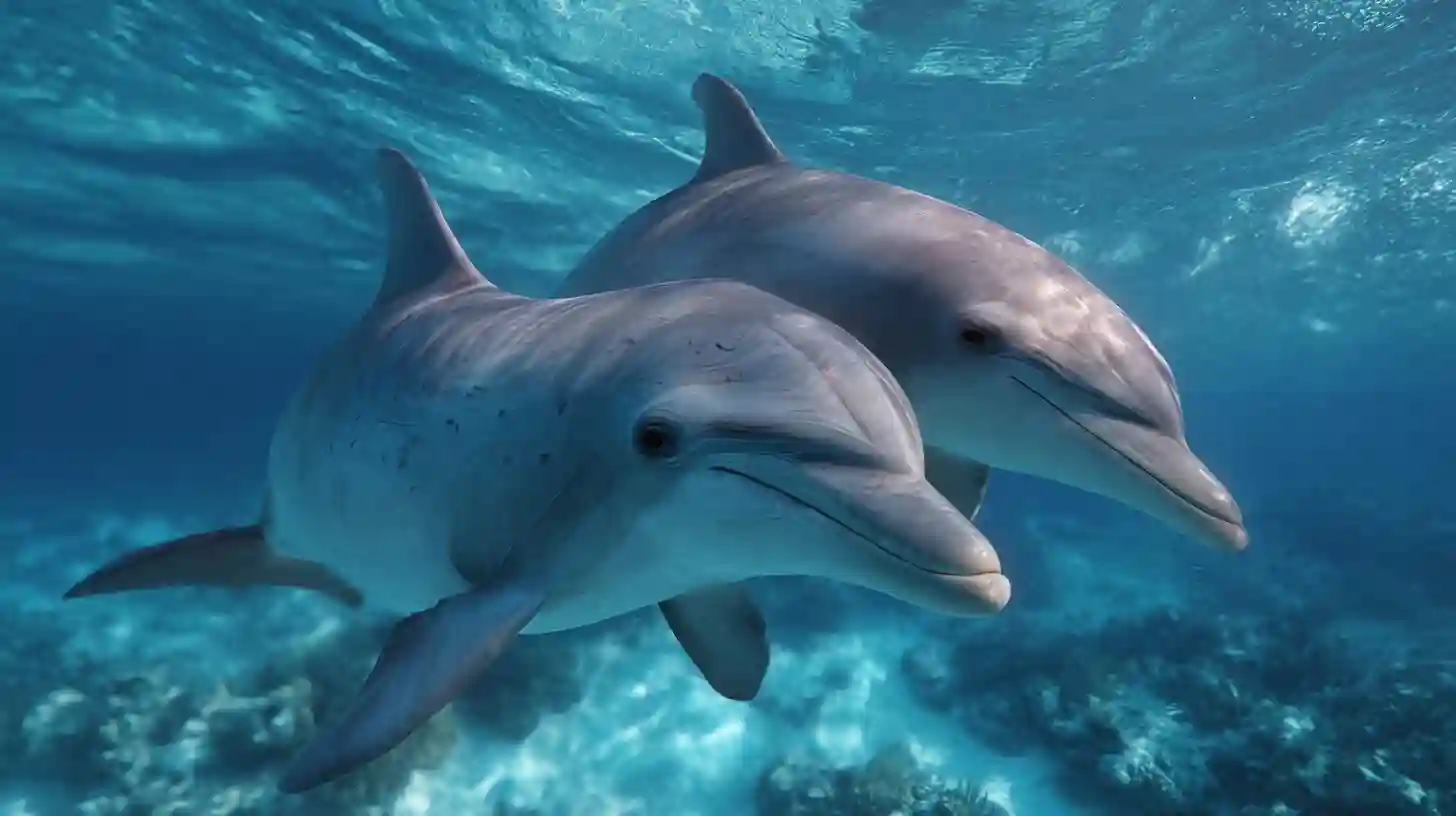
Dolphins, as highly intelligent marine mammals, play a unique role in the ocean ecosystem, not only interacting with their own species but also forming relationships with various other marine creatures. These interactions are often marked by cooperation, competition, and occasional mutual benefit. Dolphins are known to share the waters with a wide array of species, from small fish to larger predators such as sharks. One of the most notable behaviors is their tendency to work together with certain fish species to hunt more effectively. For example, dolphins have been observed coordinating with fish like mullets, driving schools of fish toward the shallows where both dolphins and fish can feed more efficiently. This cooperative hunting shows an interesting aspect of interspecies relationships, where both parties benefit from the arrangement.
At the same time, dolphins also maintain a complex relationship with predators such as sharks. In some instances, dolphins are seen actively protecting themselves from sharks by using their speed, agility, and even working in groups to fend off the threat. Dolphins are capable of engaging in strategic behaviors to confuse or even drive off sharks, using their superior intelligence and communication skills. While this may seem antagonistic, it is an essential part of the balance within the marine environment, as it helps to control shark populations and prevents them from overpowering other species.
In other instances, dolphins interact with species like sea turtles or birds. Dolphins have been seen playing with sea turtles, sometimes nudging them or chasing them in a seemingly playful manner. Though this may appear to be harmless, it can have impacts on the behavior and movement of the turtle. The relationship between dolphins and other marine animals also extends to the ecosystems they inhabit. Dolphins contribute to the overall health of marine environments, impacting food chains, breeding patterns, and the distribution of marine life. Their presence in a specific area can even indicate the health of that ecosystem, as dolphins are sensitive to changes in water quality and environmental stressors. Thus, dolphins, through their interactions with other species, play an integral role in maintaining the balance of life in the oceans.