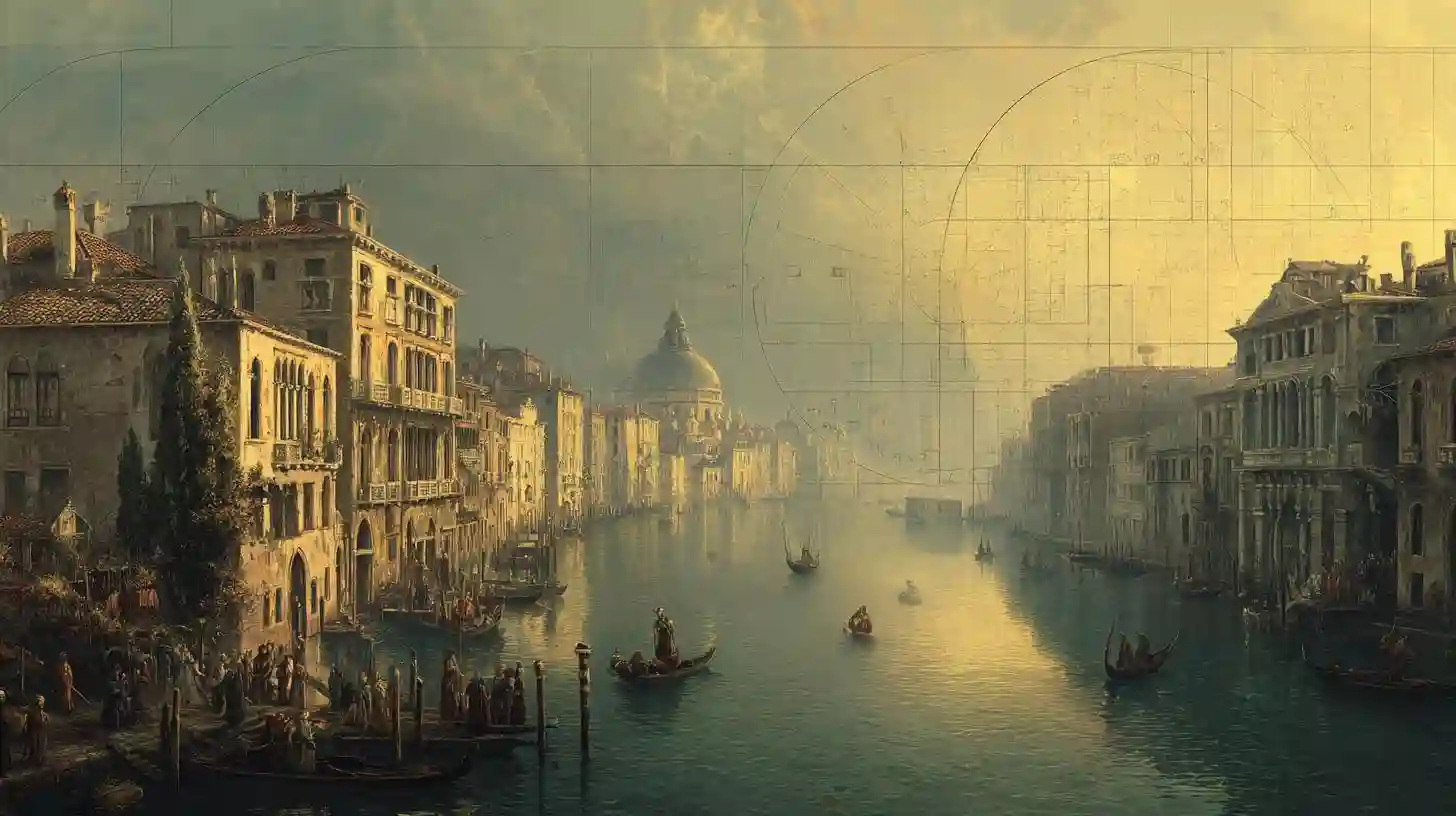
The Renaissance marked a profound shift in Western art and culture, heralding a new era of intellectual and artistic exploration. This period, which spanned several centuries, witnessed the revival of classical learning and the transformation of various cultural and artistic practices. Artists, philosophers, and scientists looked back to the Greco-Roman world, drawing inspiration from its emphasis on humanism, proportion, and the natural world. This revival of classical ideas influenced every aspect of European society, from philosophy to education, and had a lasting impact on the visual arts.
One of the most significant contributions of the Renaissance to Western art was the development of perspective. Artists like Leonardo da Vinci and Raphael used perspective to create a sense of depth and realism in their paintings. This technique allowed them to represent the three-dimensional world on a two-dimensional surface, creating a more lifelike and immersive experience for viewers. The use of light and shadow, also refined during the Renaissance, added a sense of volume and realism to figures and landscapes, making them appear more natural.
The Renaissance also placed a strong emphasis on humanism, the idea that humans were worthy of study and celebration. This led to an increased focus on the human figure in art, with artists striving to depict the human body in its natural form. Anatomical studies, such as those done by Michelangelo, allowed artists to accurately portray muscle structure and movement, giving their works an unprecedented level of realism.
Beyond art, the Renaissance had a profound impact on literature, philosophy, and science. Writers like Petrarch and Erasmus contributed to the flourishing of literature, while thinkers such as Copernicus and Galileo revolutionized our understanding of the universe. The Renaissance encouraged critical thinking and a questioning attitude toward established knowledge, setting the stage for the scientific revolution and the Age of Enlightenment.
The fusion of classical ideals with contemporary advancements during the Renaissance created a cultural rebirth that reshaped Western civilization. Artists, scientists, and philosophers worked in tandem to challenge old ways of thinking and embrace new perspectives. This period not only produced some of the most celebrated works of art but also laid the groundwork for the cultural and intellectual developments that would follow.