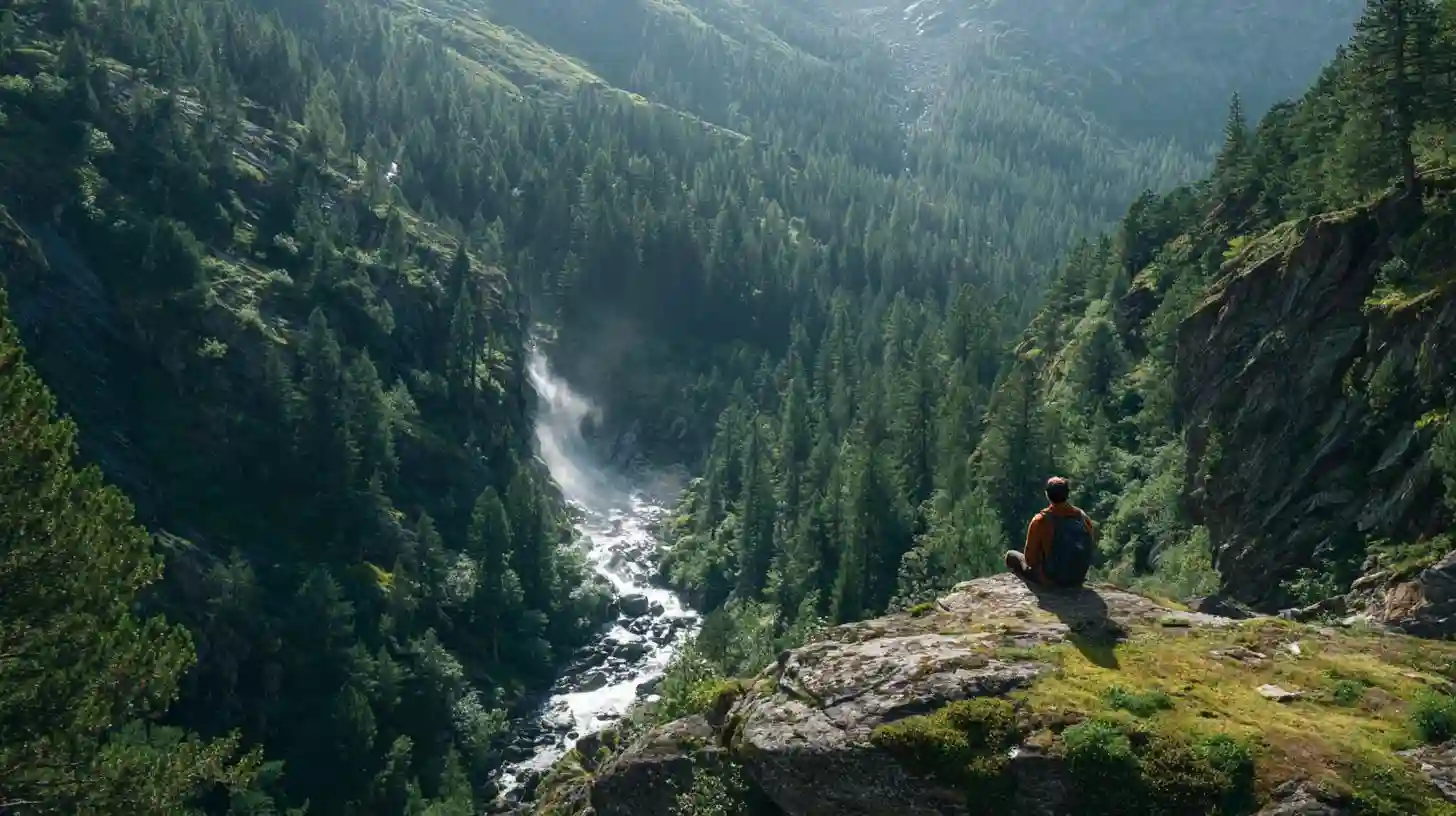
Adventure tourism has grown significantly in recent years, becoming a vital source of income and development for local communities worldwide. By attracting tourists seeking thrilling experiences like trekking, mountain biking, rafting, or wildlife safaris, adventure tourism helps to revitalize regions that might otherwise be economically underserved. These activities often take place in remote or rural areas, which can directly benefit from the influx of tourists.
Local businesses, from accommodation providers to restaurants and transportation services, experience a surge in demand, creating job opportunities for residents. The need for guides, equipment rental, and other services also leads to the creation of additional employment. As these businesses thrive, they contribute to the broader economy of the area, ensuring that the benefits of tourism are felt beyond the major tourist hubs.
Furthermore, adventure tourism encourages the preservation of natural landscapes. In many cases, communities recognize the value of their natural surroundings as assets that can attract adventure tourists. This recognition often leads to increased efforts in environmental conservation, as people realize that their natural resources are key to long-term sustainable tourism. Protecting national parks, wildlife reserves, and other natural sites not only helps to maintain the area's ecological balance but also ensures that it remains a desirable destination for future travelers.
Adventure tourism also fosters cultural exchange, as tourists often interact closely with local populations. Through these interactions, local people gain a better understanding of global cultures, while visitors get a firsthand experience of the traditions and ways of life of the communities they visit. This exchange helps bridge cultural gaps, promoting mutual respect and understanding, which can lead to greater social harmony.
Local governments and communities can further harness the potential of adventure tourism by investing in infrastructure, safety measures, and training programs. By doing so, they can ensure a steady flow of visitors while maintaining a high level of service and environmental responsibility. This way, adventure tourism becomes a sustainable model for growth, empowering communities and enabling them to thrive in the global economy.