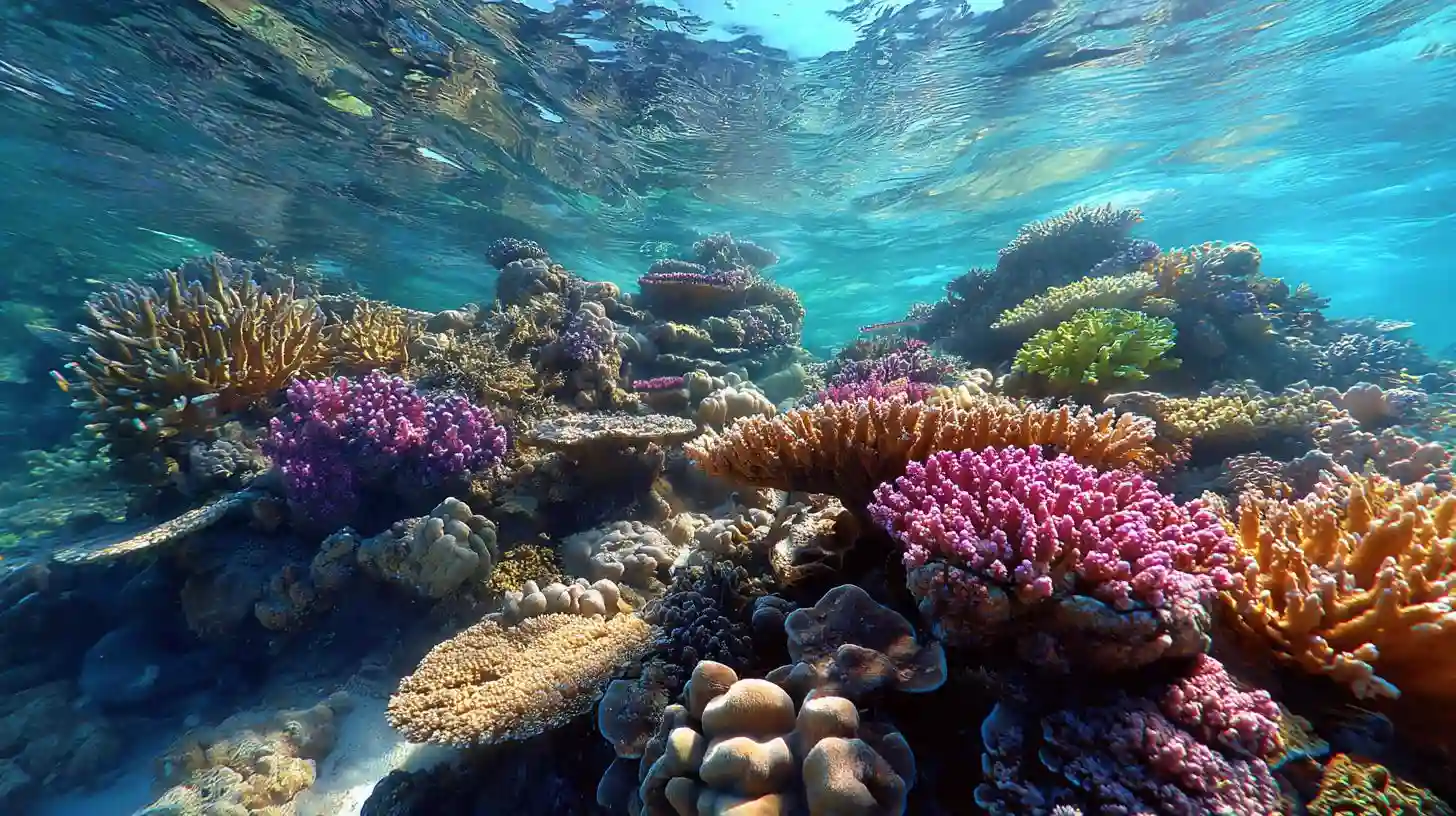
Restoring damaged coral reefs is a critical endeavor aimed at preserving marine biodiversity and ensuring the resilience of ocean ecosystems. The process of coral reef restoration has gained increasing attention as the world’s coral ecosystems continue to face severe threats from climate change, overfishing, pollution, and coastal development. Techniques for restoration have advanced in recent years, with scientists employing a variety of methods to restore these vital ecosystems. One of the most prominent techniques is coral transplantation, where healthy fragments of coral are collected from donor reefs and attached to degraded areas. This process, although effective in some cases, requires careful monitoring to ensure the transplanted corals acclimate properly and survive the challenging environmental conditions of the reef. Another technique involves coral breeding, where corals are bred in controlled environments before being replanted in the wild. This method allows for the selection of resilient coral species that are more resistant to stress factors like temperature fluctuations and disease. However, the success of these techniques often depends on the quality of the surrounding environment. Restoring coral reefs is not just about transplanting corals; it also involves improving the conditions of the surrounding ecosystem, such as water quality and reducing the impact of human activities. Reefs damaged by pollution may require additional measures, such as filtering and cleaning the water, to support the long-term survival of restored corals. Despite these innovative efforts, challenges remain in coral reef restoration. One of the most significant hurdles is the ongoing threat of climate change, particularly ocean warming and acidification. These factors can undermine restoration efforts, as they weaken the corals’ ability to thrive. Moreover, the sheer scale of the damage to many coral reefs makes it difficult to restore them on a large scale. Although restoration projects have shown promising results in some regions, scaling up these efforts to meet the vast needs of the world's coral ecosystems remains a daunting task.