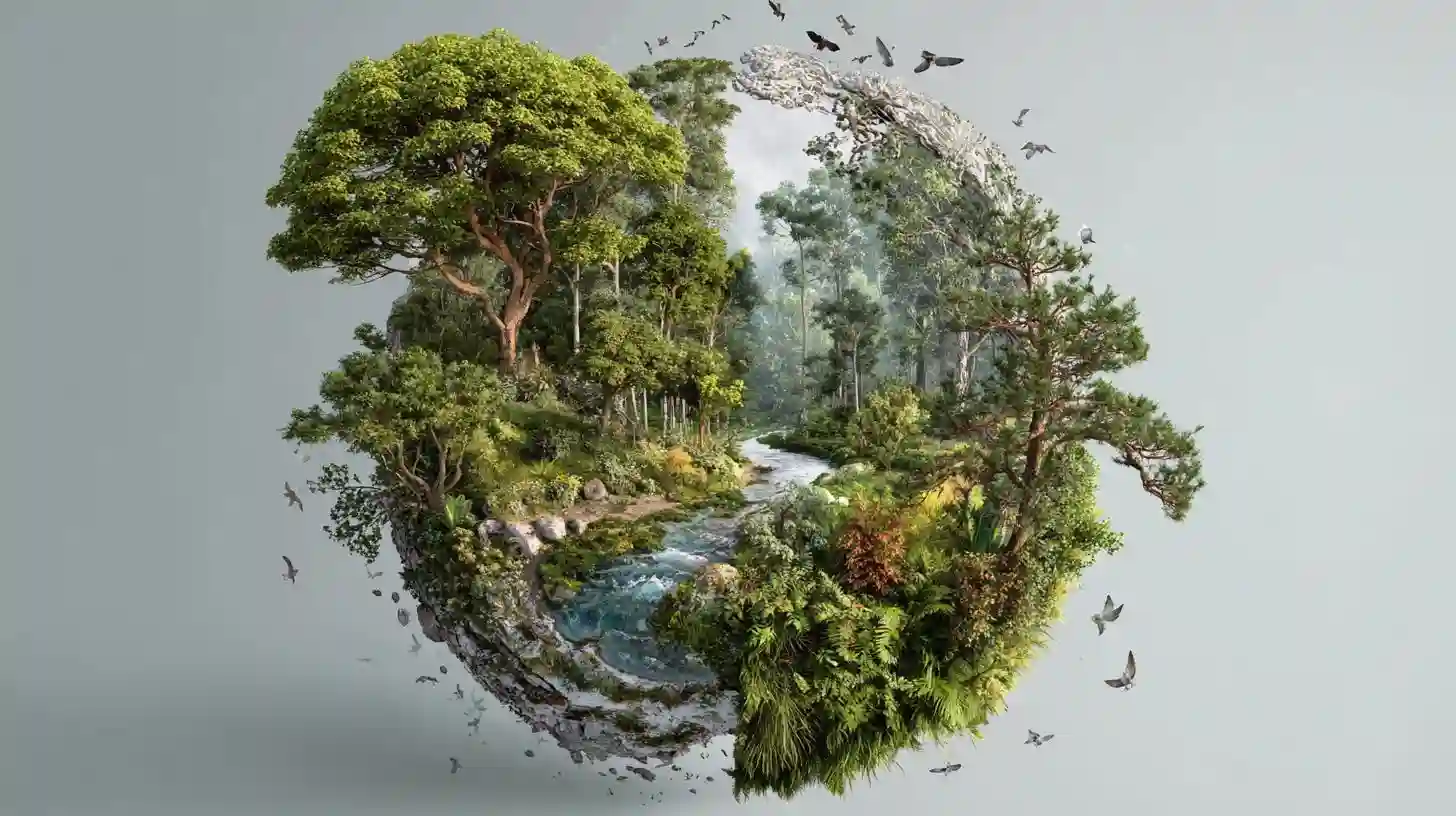
Biodiversity plays a crucial role in maintaining the delicate balance of ecosystems, which are essential for the survival of all living organisms. A diverse range of species in an ecosystem ensures that various ecological processes, such as nutrient cycling, pollination, and water purification, continue to function effectively. Each species has a unique role that contributes to the overall health and stability of its environment. For instance, plants, through photosynthesis, produce oxygen and serve as the primary food source for herbivores. In turn, herbivores provide food for carnivores, creating a food web that sustains the entire ecosystem. When biodiversity is lost, these relationships begin to unravel, causing disruptions that can lead to the collapse of entire ecosystems.
Additionally, biodiversity enhances resilience, allowing ecosystems to recover from disturbances such as natural disasters or human-induced changes. Ecosystems with a wide variety of species are better equipped to adapt to environmental stresses. For example, some species may thrive under altered conditions, helping to stabilize the ecosystem. Without this diversity, ecosystems become more vulnerable to collapse, unable to cope with changes like climate change or habitat destruction. Furthermore, biodiversity contributes to the availability of resources that humans rely on, including food, medicine, and clean water. Many pharmaceutical drugs are derived from plants, animals, and microorganisms, and the loss of biodiversity can limit the discovery of new treatments.
The interconnectedness of life forms within an ecosystem means that the loss of one species can trigger a chain reaction, affecting many other species. This interconnectedness makes protecting biodiversity not just a matter of conserving individual species, but of preserving the entire web of life that supports the planet’s health. The survival of life on Earth depends on our ability to protect and preserve biodiversity for future generations.