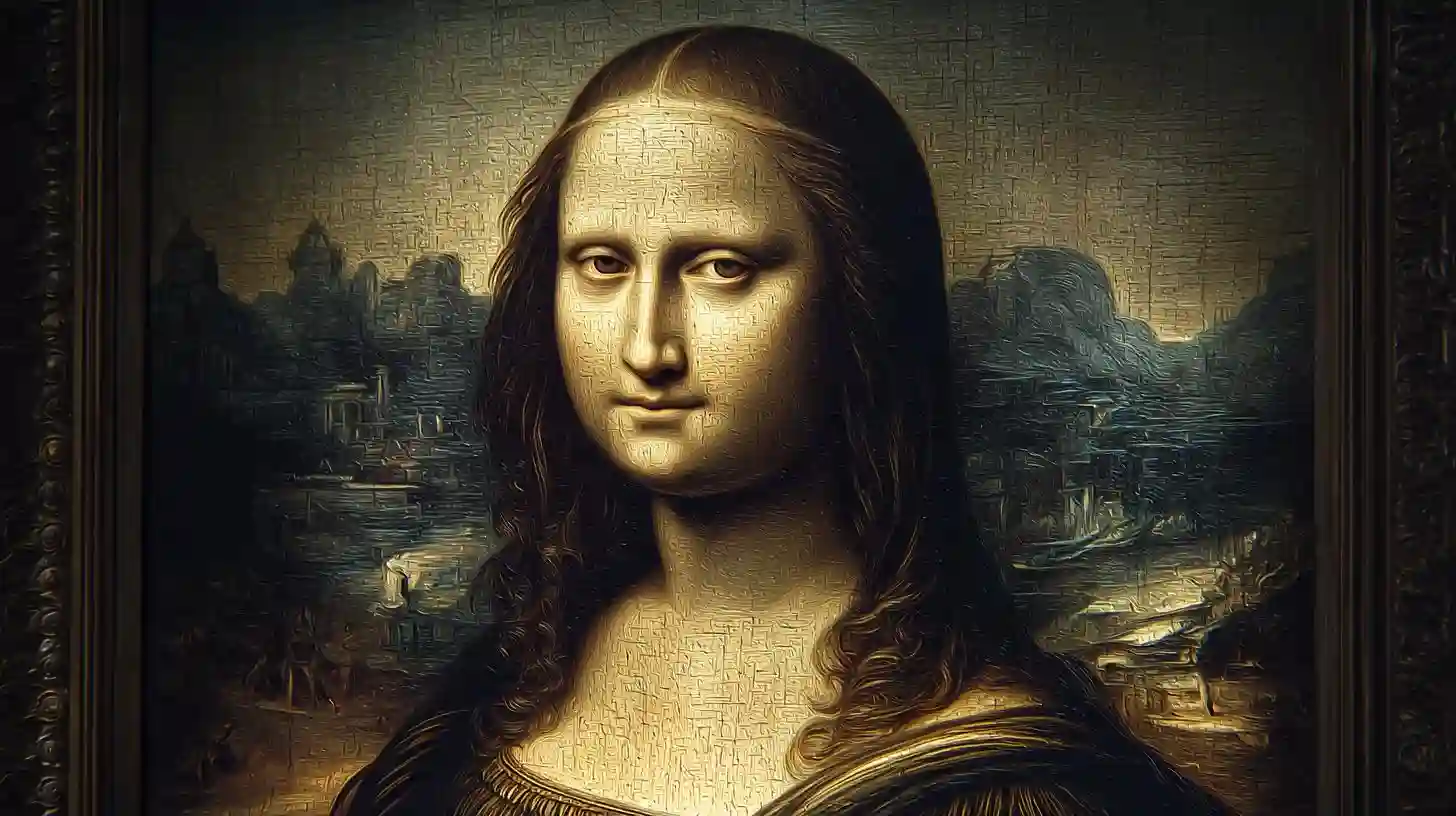
The Mona Lisa, painted by Leonardo da Vinci, holds an undeniable significance in the history of the Louvre Museum. As one of the most recognized and celebrated works of art in the world, it has become a symbol of not only the museum but also of the entire cultural and artistic heritage of France. This iconic painting, which features the enigmatic smile of a woman, was created in the early sixteenth century and has been housed in the Louvre since the French Revolution. Over the years, it has become more than just a masterpiece of Renaissance art; it has also come to represent the Louvre's identity as a repository of humanity's greatest artistic achievements.
The painting's journey to the Louvre Museum is as remarkable as the work itself. Initially part of King Francis I's collection, the Mona Lisa was eventually moved to the Louvre in the late eighteenth century. Its theft in the early twentieth century only heightened its fame, as the story of its disappearance captured global attention. The painting's return to the Louvre was celebrated as a triumph, and since then, it has become a symbol of resilience and cultural pride.
Today, the Mona Lisa is more than just a work of art; it is a global phenomenon. Its popularity draws millions of visitors to the Louvre each year, contributing significantly to the museum's reputation as a center for art and history. The painting's position in the museum, protected behind bulletproof glass and displayed in a specially designed climate-controlled room, reflects its immense value and importance. It has become an essential part of the museum's collection and its role in preserving the artistic legacy of human civilization.
Beyond its visual allure, the Mona Lisa has inspired countless interpretations, discussions, and even controversies. Scholars, historians, and art lovers continue to analyze its composition, meaning, and the mysterious identity of the woman depicted. The painting transcends the boundaries of time and place, remaining a touchstone for discussions about art, culture, and the human experience. Through its journey in the Louvre, it has solidified its place not just in art history but in the hearts of people worldwide, marking a milestone in the Louvre Museum's long-standing legacy as a keeper of art and culture.