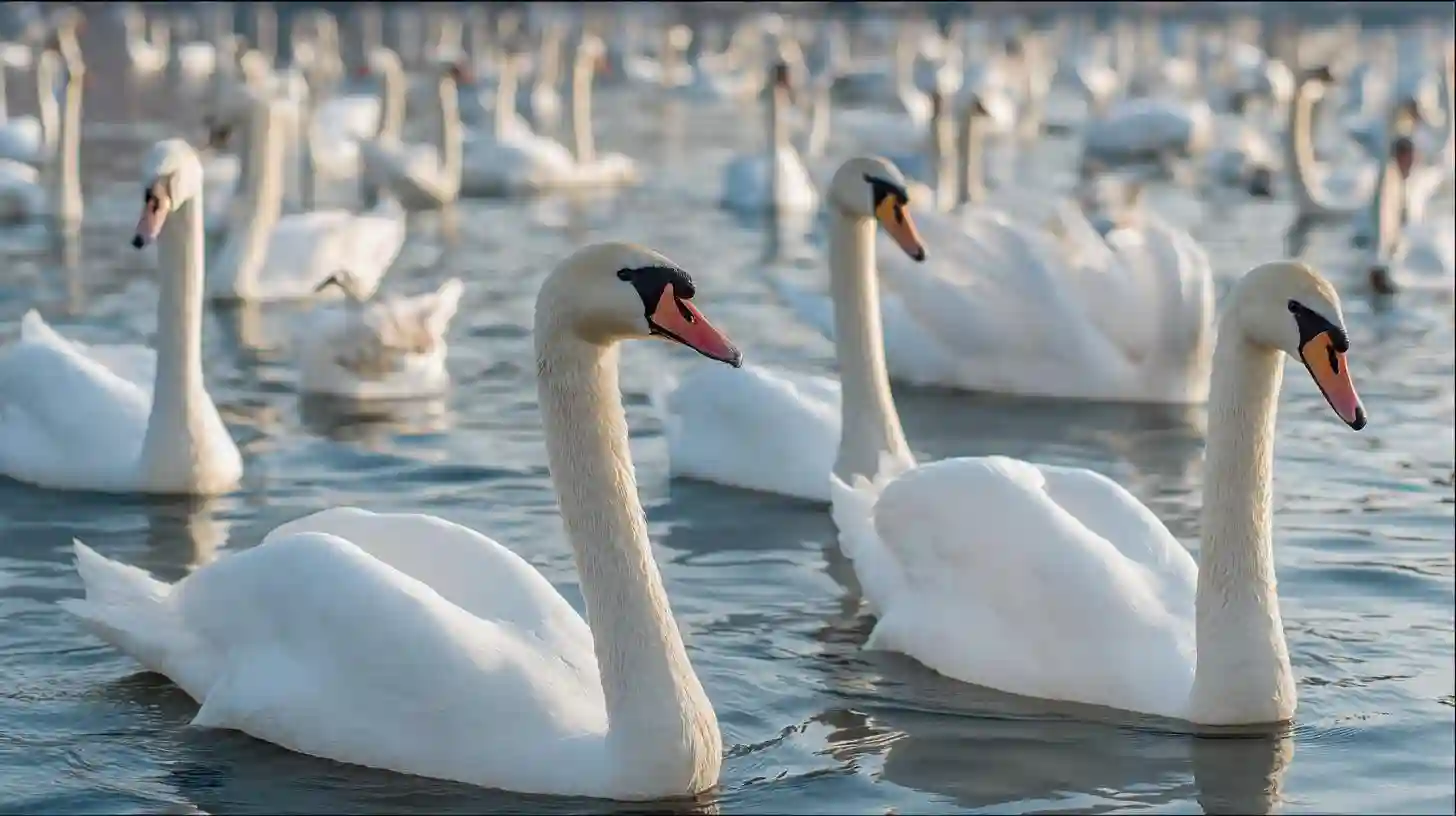
Human activities have significantly impacted swan populations across the globe, affecting their habitats, health, and behavior. One of the most notable ways in which human actions influence swans is through habitat destruction. Wetlands, lakes, and rivers, which are vital for swans' survival, are often drained for agricultural purposes, urban expansion, and industrial development. This leads to a loss of safe nesting sites and feeding areas, making it more difficult for swans to thrive.
Pollution, particularly water pollution, also poses a significant threat to swan populations. Chemicals, plastics, and untreated waste dumped into water bodies can harm swans in various ways. Toxic substances can contaminate their food sources, leading to poisoning or disease. Swans can also ingest harmful materials like plastic, which can cause internal injuries, digestive issues, or even death. The accumulation of pollutants in the environment can disrupt the delicate balance of ecosystems, further diminishing the quality of habitats where swans once flourished.
In addition, human-wildlife conflict has become a growing issue. Swans are often disturbed by human presence, especially in areas where people engage in recreational activities like boating, fishing, or walking. This can lead to increased stress for swans, making them more vulnerable to predation and less likely to successfully reproduce. In some instances, swans may even be subjected to direct harm, as they are sometimes viewed as a nuisance or a threat to human property.
Climate change, driven by human industrial activities, also exacerbates the challenges faced by swans. Changes in temperature, water levels, and weather patterns affect migration patterns and the availability of food. Swans may find it harder to adapt to rapidly changing conditions, which can result in a decline in population numbers.
Finally, hunting and poaching, although illegal in many countries, still pose a threat to swan populations. Swans have historically been hunted for their feathers, eggs, and meat, and although legal protections have been established in some regions, illegal hunting persists. These human-driven actions create additional pressure on already vulnerable swan populations, further endangering their survival.