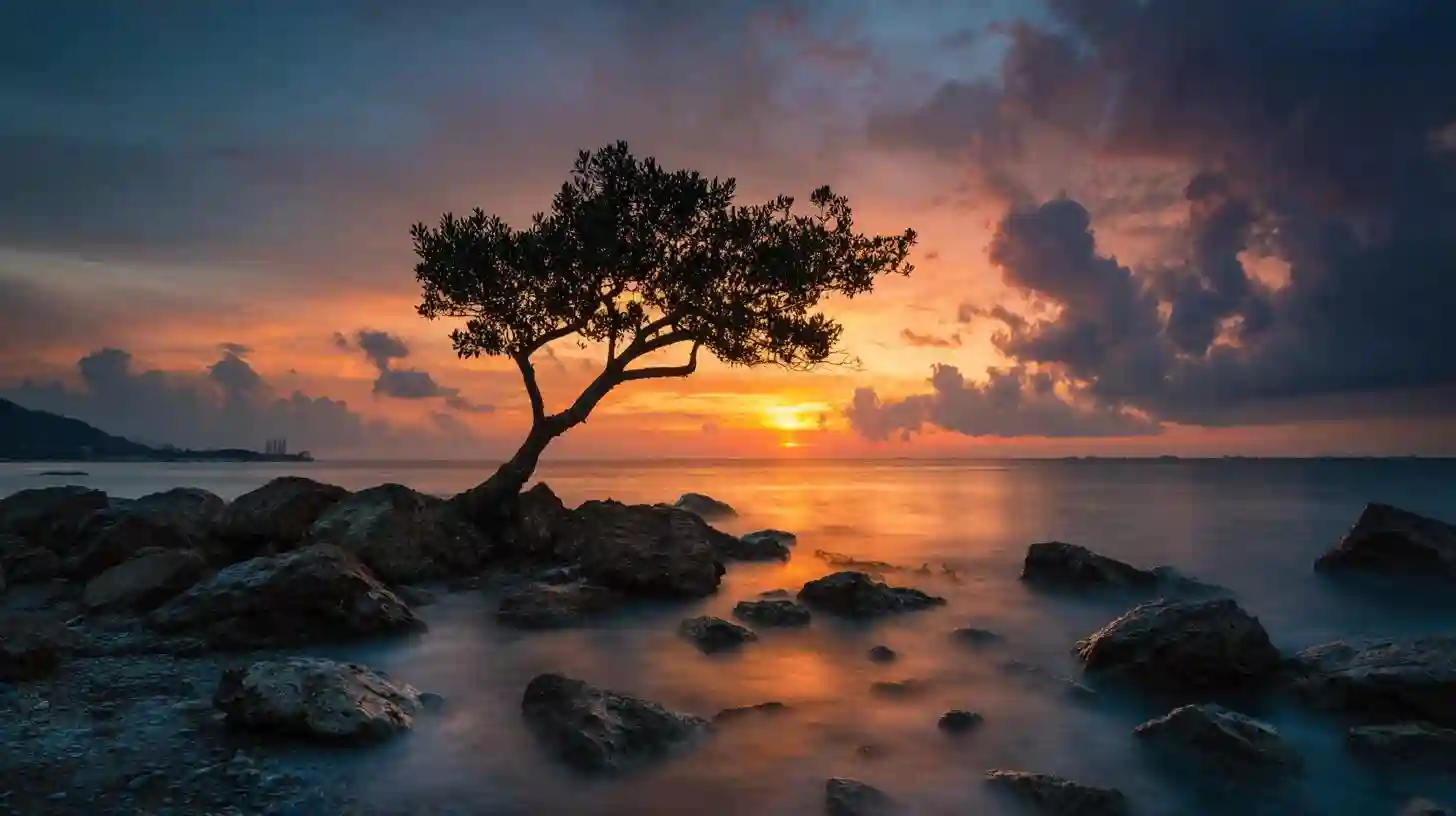
Achieving stunning long exposure shots requires a combination of technique, timing, and equipment. The key is to capture movement over time, allowing elements like water, clouds, or traffic to blur in a visually striking way. One of the first things to consider is choosing the right time of day. Shooting during low light conditions, such as at dawn or dusk, is ideal because it allows for longer exposure times without overexposing the image. A neutral density filter can also be invaluable, as it helps to reduce the amount of light entering the lens, enabling longer exposures even in brighter conditions.
When it comes to equipment, using a sturdy tripod is essential. A long exposure necessitates a stable camera position to avoid any unwanted camera shake, which can ruin the shot. The camera settings should be adjusted for the desired effect, with a small aperture to increase the depth of field and reduce the light entering the lens. A slow shutter speed is necessary to achieve the long exposure effect. Depending on the scene, shutter speeds can range from a few seconds to several minutes.
It’s also important to trigger the shutter without physically touching the camera to avoid vibrations. A remote shutter release or the camera's self-timer function can help with this. To enhance the effect, try incorporating elements like moving water, clouds, or light trails. For example, capturing the motion of water flowing over rocks can result in a smooth, ethereal look. Clouds can create a dramatic sky, blurring across the frame as they move, while light trails from passing cars can turn a mundane street scene into something dynamic and alive.
Adjusting the white balance is another useful technique, as it can alter the overall tone of the image. A cooler setting can enhance the bluish tones of dusk or night, while a warmer setting may evoke a more golden atmosphere. Experimenting with different focal lengths can also add a unique dimension to the shot, making it appear more immersive. With practice, these techniques can help you achieve breathtaking long exposure photos that convey motion and time in a way that static images simply cannot.