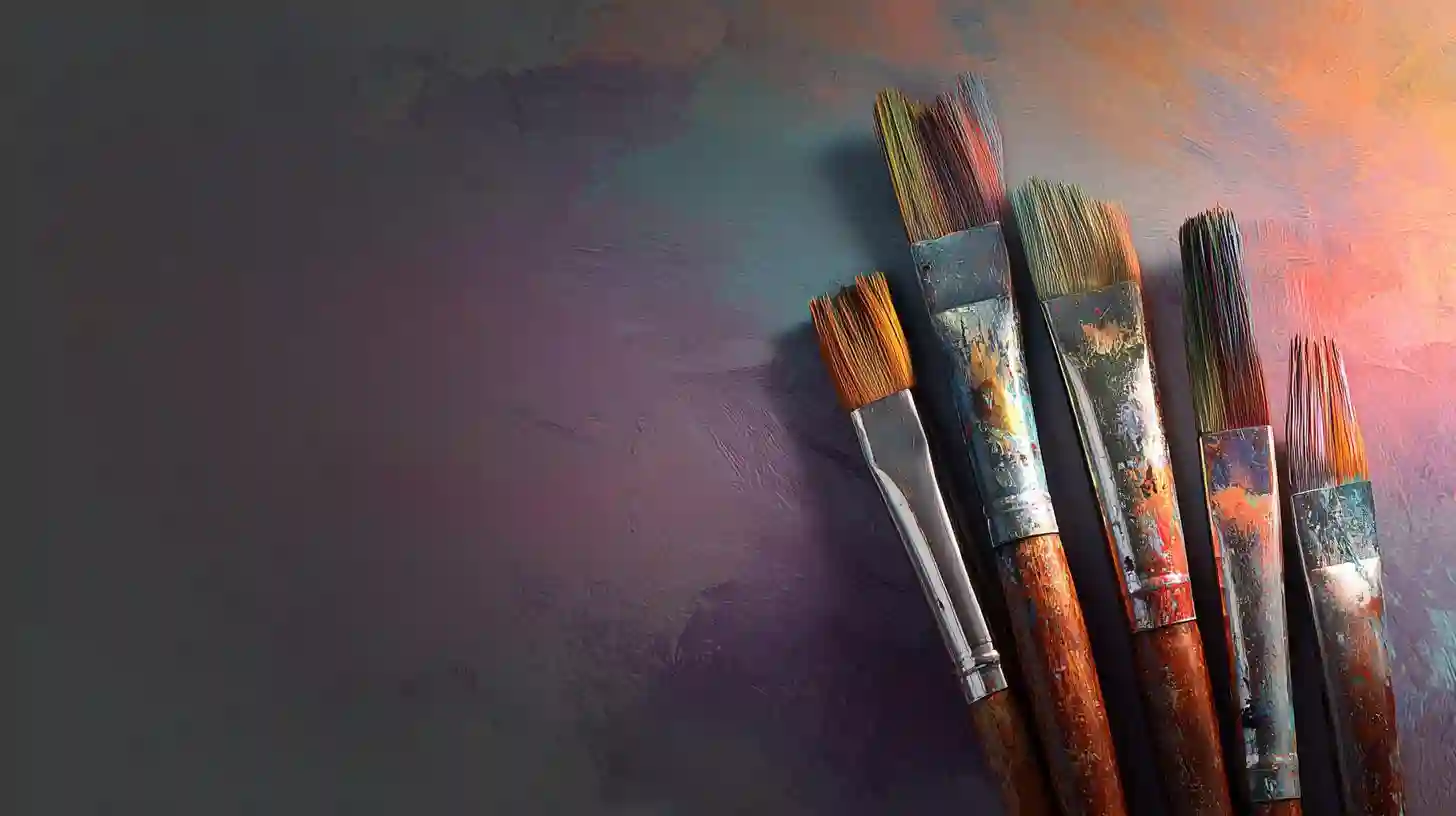
Painting has undergone a remarkable transformation over the centuries, from the earliest cave paintings created with rudimentary tools to the sophisticated digital art of today. Traditionally, artists employed brushes, pigments, and canvases to create masterpieces. The earliest forms of painting were done with natural materials like charcoal, ochre, and plant-based dyes. These primitive techniques eventually gave way to more refined tools, such as brushes made from animal hair, which allowed for greater precision and detail. Oil painting, which emerged during the Renaissance, revolutionized the art world by providing a medium that dried slowly, allowing for more layering, blending, and depth of color. As time progressed, different styles and techniques developed, influenced by cultural movements and technological advancements. The invention of synthetic paints and pigments in the 19th century expanded the artist’s color palette and provided new opportunities for experimentation. The advent of photography in the 19th century also pushed painters to explore new ways of representing reality, leading to the development of Impressionism and later abstract art. With the rise of technology in the 20th and 21st centuries, digital tools have become an essential part of the artistic process. Today, artists can use programs like Photoshop, Procreate, and others to create stunning works of art with the help of tablets, styluses, and software. These tools allow for unparalleled flexibility, enabling artists to manipulate colors, textures, and forms in ways that traditional methods could not achieve. The digital age has also given rise to new forms of art, such as 3D modeling and animation, which push the boundaries of creativity and bring art to life in interactive and immersive ways. Despite the advent of digital technology, many artists continue to work with traditional brushes and paints, blending old and new techniques to create innovative and visually captivating works. The ongoing dialogue between tradition and innovation ensures that the world of painting will continue to evolve, offering endless possibilities for creative expression.