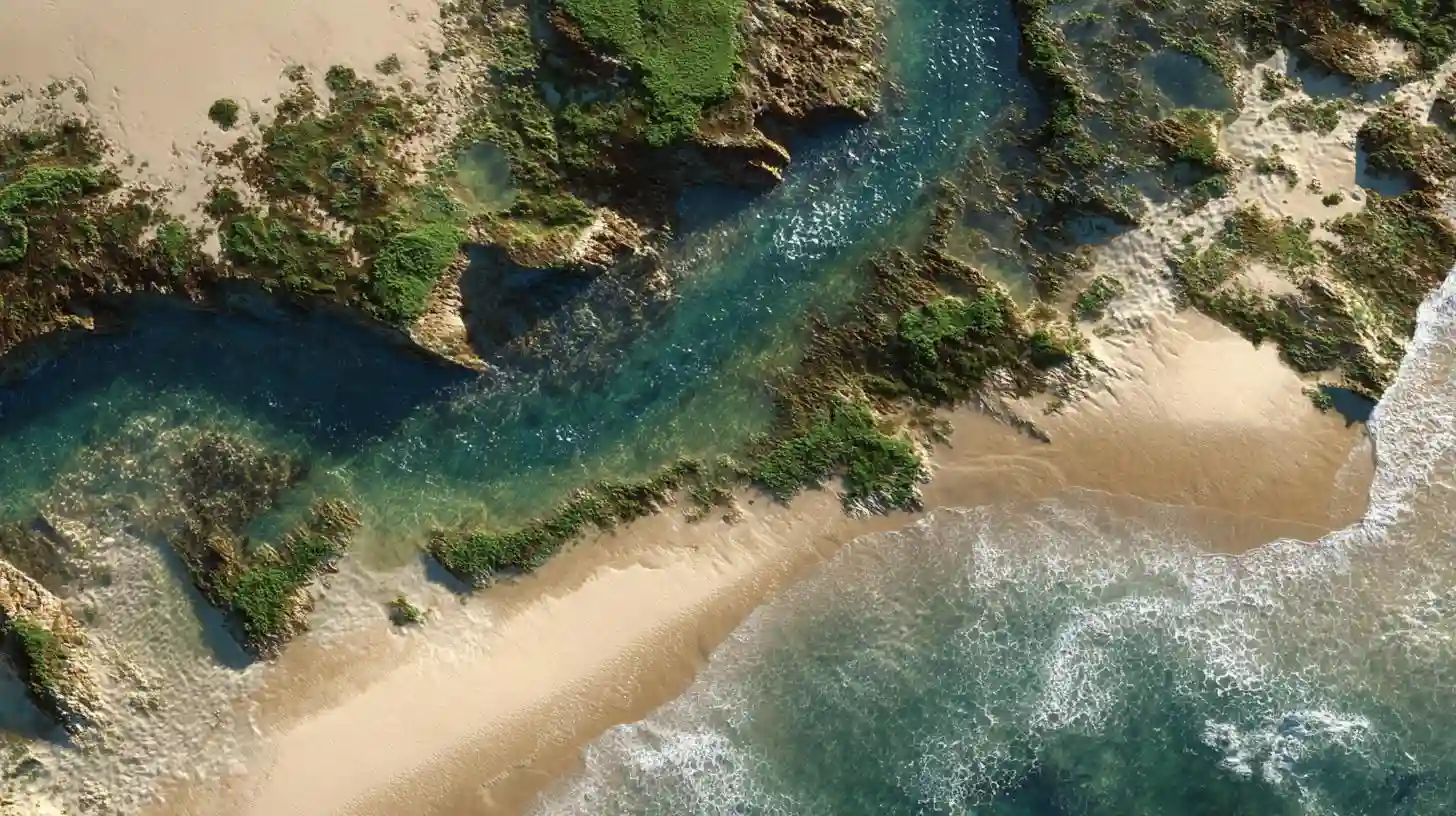
Tidal patterns, a natural phenomenon driven by the gravitational forces of the moon and the sun, play a crucial role in shaping coastal ecosystems. The rise and fall of tides affect the availability of habitats for a wide range of marine organisms. For species that inhabit the intertidal zone, where land and sea meet, the tidal movements are particularly important. These organisms, including crabs, mussels, and seaweeds, rely on the regular exposure to air during low tide and submersion during high tide to complete their life cycles. Such tidal fluctuations create a dynamic environment that supports a diverse community of species, each adapted to specific tidal conditions.
The impact of tidal patterns extends beyond the species living directly in the intertidal zone. Coastal ecosystems, such as estuaries, mangrove forests, and seagrass beds, benefit greatly from tidal action. The movement of water brought by tides brings nutrients from the deeper ocean to the shallow coastal areas, supporting primary production in these areas. This nutrient-rich water serves as the foundation of food webs, benefiting a wide variety of organisms, including fish, invertebrates, and birds. Moreover, tidal movements help to distribute sediments, shaping the physical structure of the coastline and creating new habitats for species to thrive.
Tidal patterns also influence the ecosystem services that coastal areas provide to humans. One of the most important services is the natural filtration of water. As tides push water in and out, they help to flush out pollutants and excess nutrients, improving water quality. Additionally, the constant movement of tides contributes to the stabilization of shorelines, preventing erosion and protecting coastal communities from storm surges and sea-level rise. Coastal vegetation, such as mangroves, plays a vital role in carbon sequestration, mitigating the effects of climate change.
The diversity and health of coastal ecosystems, therefore, are inextricably linked to tidal patterns. Changes in the frequency or intensity of tides, such as those caused by climate change or human activities like coastal development, can disrupt these delicate systems. Altered tidal regimes can lead to habitat loss, reduced biodiversity, and the collapse of key ecosystem services, which would have profound implications for both marine life and human communities that depend on the coast for food, protection, and economic activities.