Long exposure photography has evolved significantly over the years, transitioning from traditional film to modern digital technology. In the early days of photography, long exposures were achieved with film cameras, where photographers had to manually adjust the shutter speed to allow light to hit the film for extended periods. This process required great precision and patience, as the quality of the final image depended on the film's sensitivity to light and the photographer's ability to avoid camera shake. In addition, photographers often used filters to reduce the amount of light entering the camera, enabling them to capture longer exposures even in daylight.
With the arrival of digital photography, long exposure techniques saw a transformative shift. Digital sensors, unlike film, could handle a wider range of light conditions, and the ability to instantly review images meant that photographers could quickly adjust settings to achieve the desired effect. Digital cameras also introduced features like noise reduction, which helped eliminate unwanted grain in long exposure shots, a common issue with film. Furthermore, the development of digital image editing software allowed photographers to manipulate their images after capture, enhancing or correcting elements such as exposure or color balance with far more flexibility than was possible in the film era.
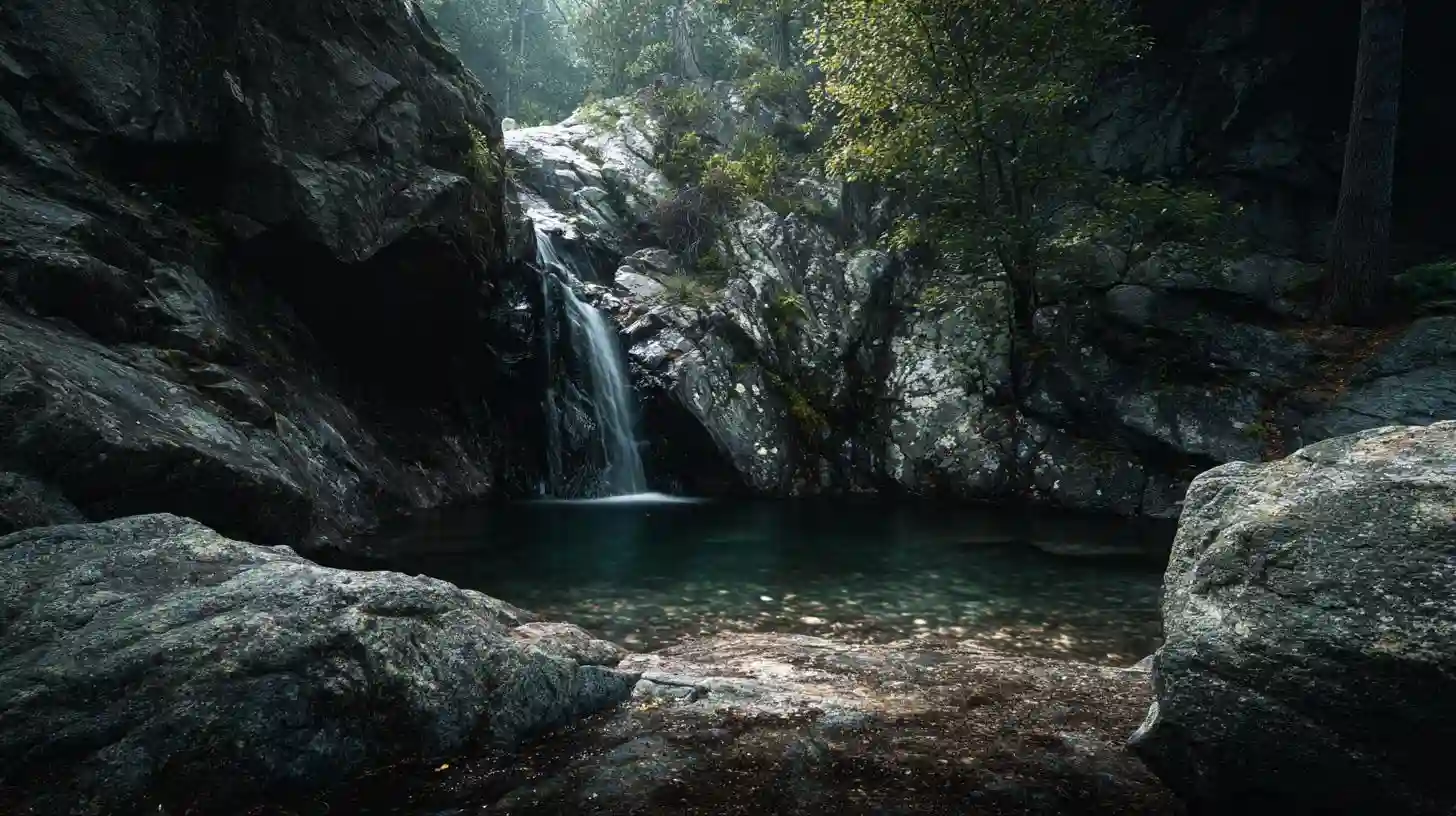
The introduction of mirrorless and DSLR cameras brought even more advancements, such as higher resolution sensors, better low-light performance, and improved autofocus systems. These innovations made long exposure photography more accessible to both amateurs and professionals, as photographers could now experiment with different exposure lengths without the limitations of film. In addition, the use of remote shutters, intervalometers, and electronic viewfinders allowed for even greater precision and creativity. As a result, the appeal of long exposure photography grew, with artists using the technique to capture everything from star trails and flowing water to light painting and cityscapes.
The digital age has also led to the integration of other technologies, such as time-lapse photography, which combines multiple long exposures to create a sequence of changing scenes. This trend has further expanded the possibilities for capturing the passage of time in a single image, blending art with technology in ways that were once unimaginable in the film era. With these advancements, long exposure photography continues to thrive as an expressive and innovative medium.