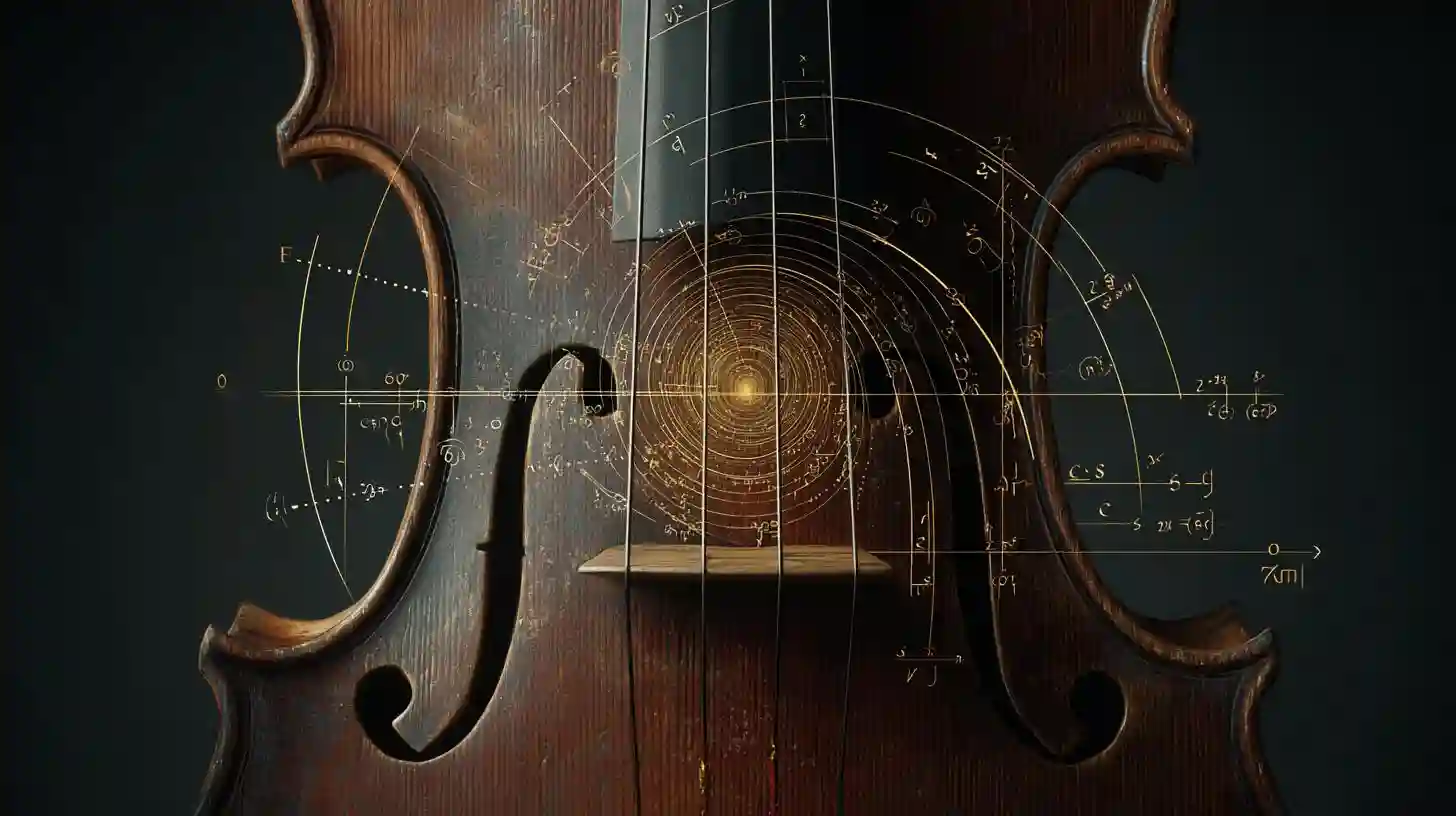
The violin is a complex and finely tuned instrument that produces its characteristic sound through the interaction of various physical phenomena. At the heart of the violin's acoustic properties is the vibration of its strings. When a bow is drawn across the strings, it creates a vibration that travels through the string, setting the surrounding air molecules in motion. This vibration is then transferred to the body of the violin, which amplifies the sound. The top plate of the violin, made from spruce, plays a crucial role in this amplification process. Its specific thickness and curvature allow it to resonate at certain frequencies, enhancing the tonal quality and volume of the instrument.
The back and sides of the violin also contribute to its overall sound. Typically made from maple, these parts reflect and diffuse sound waves in ways that complement the vibrations of the top plate. The shape and design of the violin help to focus and direct these vibrations, allowing them to resonate more efficiently. The f-holes, located on the violin’s top plate, are another key feature. These openings allow the sound waves inside the instrument to escape, enhancing the projection of the sound. The size, shape, and positioning of the f-holes influence the tone and resonance of the violin.
The bow itself is a vital part of the sound production process. Its horsehair makes contact with the strings, and the friction between the two causes the strings to vibrate. The tension, pressure, and speed with which the bow is drawn across the strings all influence the character of the sound produced. The quality of the bow, along with the materials used for the strings, can further affect the instrument’s sound, as they each contribute to the overall resonance and tonal range.
The interaction of these elements creates a unique sound profile for each violin. Small differences in wood quality, construction techniques, and even playing style can cause subtle variations in tone, volume, and projection. This combination of scientific principles and craftsmanship is what makes the violin one of the most expressive and beloved instruments in the world of music.