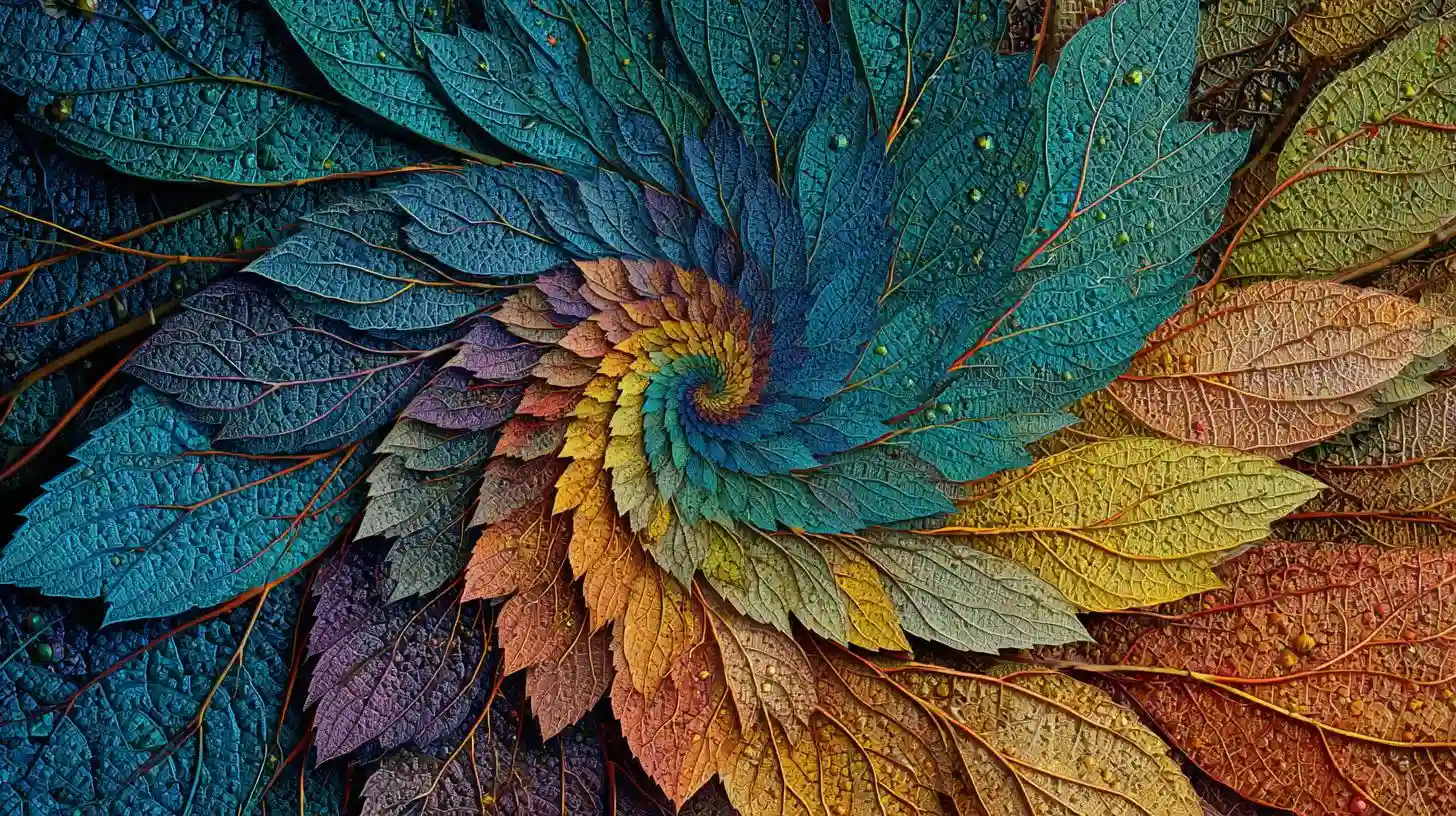
The natural world around us is filled with fascinating phenomena, some of which we may take for granted until we stop to truly observe and appreciate them. One such wonder is the simple leaf. When we look at a tree or a bush, we often see countless leaves, all sharing a similar shape or color. But if we take a closer look, we begin to realize something truly remarkable: no two leaves are exactly the same. Each leaf is unique, with its own distinct features, patterns, and characteristics. This realization opens up a whole new world of understanding about nature and the complex processes that govern life on Earth.
Every leaf begins with a similar goal: to capture sunlight and convert it into energy through the process of photosynthesis. However, how each leaf goes about fulfilling this task is influenced by a multitude of factors, from genetic differences to environmental conditions. As a result, even leaves from the same species can vary in their size, shape, and texture. These differences arise from the way each plant grows and the way it interacts with its surroundings.
Genetics plays a crucial role in determining the structure of a leaf. Every plant species has a set of genetic instructions that dictate how its leaves will develop. While plants of the same species will often exhibit similar traits, slight variations in their DNA can lead to subtle differences in the leaves. Some may grow larger or smaller, while others may have slightly different shapes or colors. Even the arrangement of veins within a leaf, known as venation, can vary, contributing to its uniqueness.
But genetics alone cannot explain the incredible diversity of leaves in nature. Environmental factors also play a major role in shaping each leaf. The amount of sunlight a plant receives, the availability of water, and the type of soil it grows in can all influence how a leaf develops. Leaves growing in different regions of the world may look vastly different, even if they come from the same species. For example, leaves in a dry desert may be small and leathery, designed to conserve water, while those in a lush, tropical rainforest may be large and thin, optimized to capture as much sunlight as possible.
Even within a single tree, leaves can exhibit noticeable differences. The leaves at the top of the tree, where sunlight is more abundant, may be larger and more vibrant in color compared to those at the bottom, which may be smaller and shaded. This variability ensures that the tree can optimize its energy collection across different areas of the canopy. Additionally, leaves on the same tree may be affected by factors such as wind, temperature, and humidity, leading to slight changes in their appearance over time. As the seasons change, so too do the leaves, further adding to their individual uniqueness.
Another fascinating aspect of leaves is their role in the broader ecosystem. Leaves are not only vital for the plants they belong to, but they also support a variety of life forms. Insects, such as caterpillars and beetles, feed on leaves, and their consumption can lead to further variations in leaf appearance. Some leaves may be chewed, torn, or even have holes in them, each telling a story of the interactions between the plant and its environment. These marks of nature’s handiwork further emphasize the uniqueness of each leaf.
The diversity of leaves is also a reminder of the complexity and resilience of life. No two leaves, no matter how similar they may appear at first glance, are exactly the same. They each carry with them a unique history and set of experiences that shape their form. Whether it’s the subtle differences in shape or the intricate patterns of veins, every leaf tells a story of adaptation, survival, and growth. This diversity is a testament to the incredible variety of life forms that share our planet, each contributing to the rich tapestry of the natural world. The next time you walk past a tree or a bush, take a moment to appreciate the astonishing truth that no two leaves are exactly the same. Each one is a masterpiece of nature, shaped by countless forces and factors, making it truly one of a kind.